 Agent Signup




Best Seller
The Grand Vietnam Family Odyssey
19 Days | AVT28



Article Content
Xin chào! I’m your local guide, and I’ve spent years showing travelers the "secret" side of my home. When people look for Vietnam Cambodia Tours, they often expect a simple vacation. But what they find is something much deeper - a "World Heritage Loop" that connects the mist-covered mountains of the North to the golden spires of Angkor. If you’re looking for a Vietnam Cambodia tours in 2026, you’re probably looking for more than just a selfie in front of a temple. You’re looking for a journey that widens your understanding of humanity.
In this guide, I’m sharing how we master the art of "Slow Travel" at AVT Travel, balancing the 70% exploration of our most famous heritage sites with the 30% pure relaxation you need to actually soak it all in.
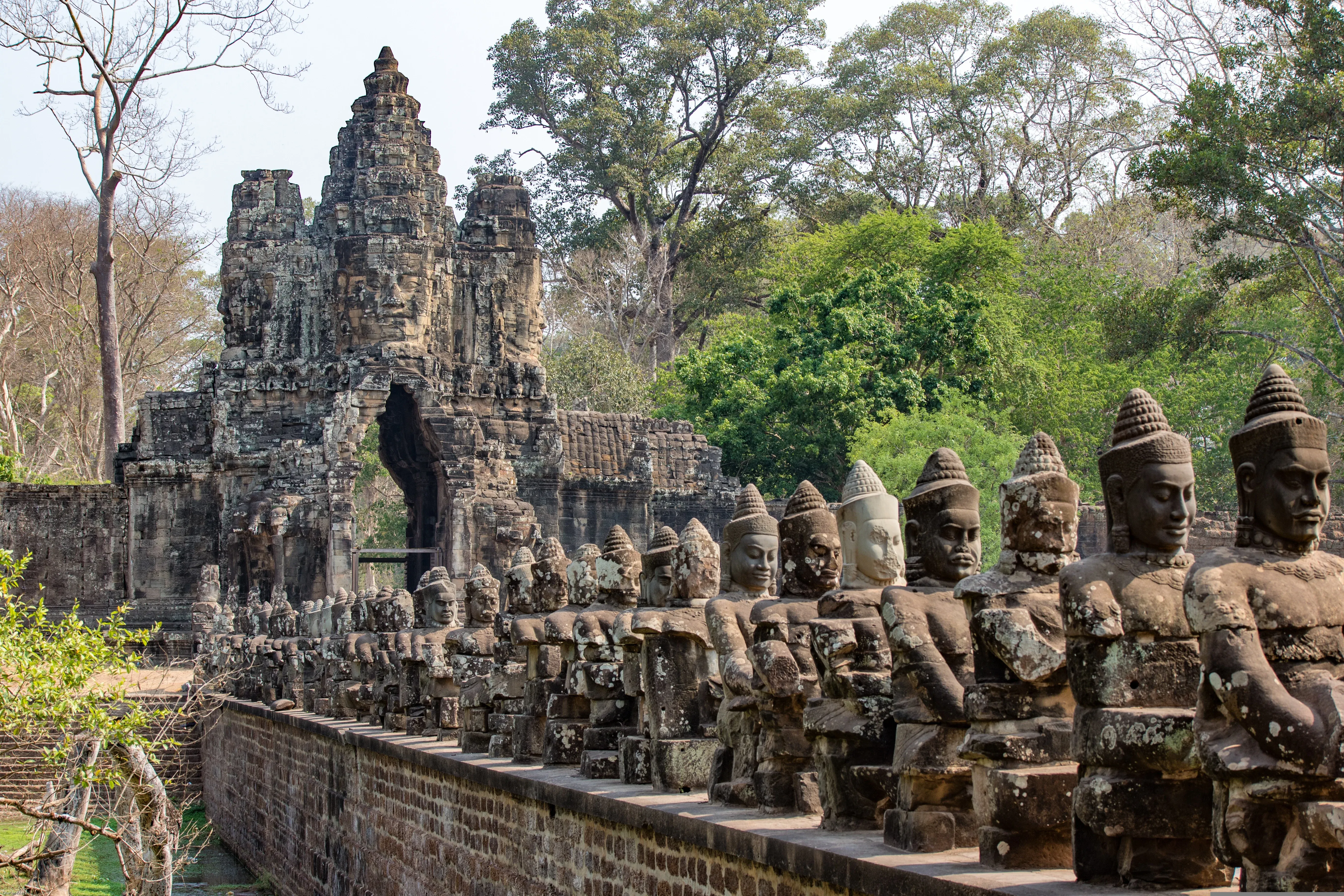
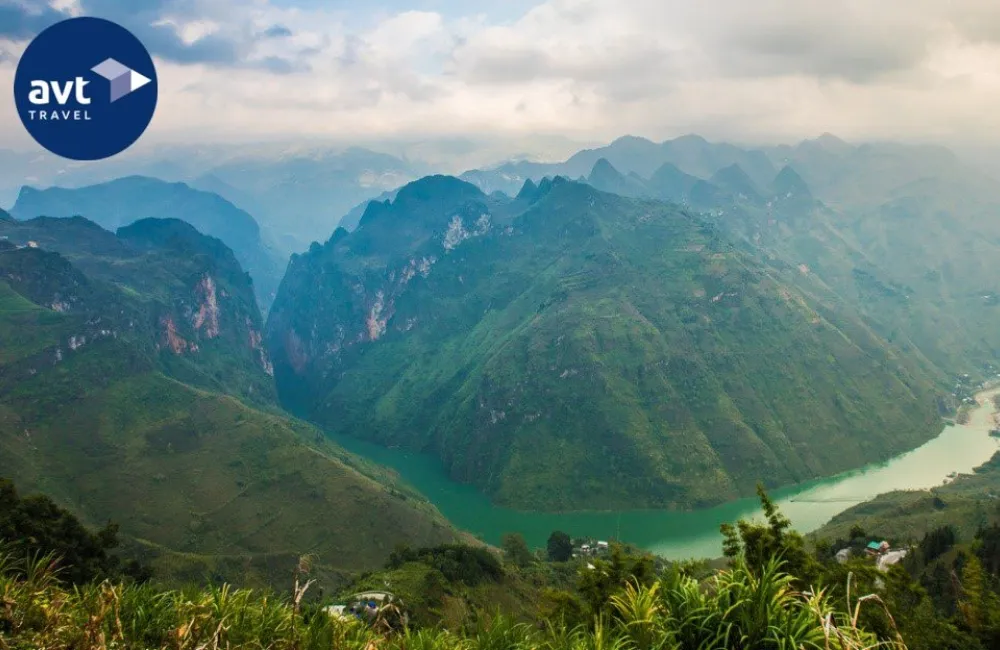
Think of Vietnam and Cambodia as two chapters of the same epic poem. Vietnam offers the "Spiritual North" and a coastline dotted with UNESCO gems, while Cambodia holds the "Kingdom of Wonder".
By combining them, you follow the pulse of the Mekong River, witnessing how these two neighbors share a history of resilience, Buddhism, and breathtaking artistry. It is the most complete way to see the soul of Indochina.
To get the most out of your Vietnam Cambodia Tours, I recommend traveling between November and April. This is the "Dry Season" for both countries. You’ll enjoy blue skies in Ha Long Bay and cooler temperatures while walking through the massive stone gates of Angkor Wat. If you can, aim for February or March. This is when the Northern mist in Vietnam starts to lift, and the Cambodian countryside is still lush and green before the heat of the late dry season kicks in.
I get asked a lot by many of my clients. Can you "do" both in 10 days? Sure, but you’ll be exhausted.
To truly respect the "70/30 Balance", where you aren't just rushing from a bus to a temple, we suggest you stay for at least 15 days. This allows us to use "Persona-First Design", giving you the flexibility to linger over a coffee in Hoi An or catch an extra sunset in the Cambodian countryside without feeling like you're on a marathon.
To keep our Vietnam Cambodia Tours smooth and stress-free, let’s talk about the "boring but essential" paperwork. In 2026, the border between Vietnam and Cambodia requires a bit of foresight. You’ll need two separate visas, and while the digital world makes this convenient, there are a few local quirks you should know.
For the Vietnam leg of your Vietnam Cambodia Tours, the 90-day e-visa is your best friend. It’s available for all nationalities and allows for multiple entries, which is perfect if you’re planning to loop back through Southeast Asia.
If you happen to be a citizen of one of the visa-exempt countries (like the UK, France, or Germany), you can actually stay for at least 14 days without doing a thing. However, I always recommend that you double-check and apply for a Vietnam eVisa through the official portal at least ten days before you fly. It usually takes three business days to process, but having that physical printout in your hand when you land in Hanoi or Saigon is the ultimate peace of mind.
Cambodia is equally welcoming, offering a 30-day e-visa that you can grab online before you leave home. If you’re more of a last-minute traveler, you can also get a visa on arrival at the major airports or when we cross the border by speedboat from Chau Doc for about $30 to $35.
Just a quick heads-up: as of 2024, Cambodia requires everyone to submit an e-Arrival card within seven days before you land. It’s a quick digital form that saves you a lot of time at immigration.
Beyond digital forms, keep an eye on your passport. It needs to be valid for at least six months from the day you enter either country, and I always suggest tucking a couple of 4x6 cm passport photos into your wallet just in case.
If you are choosing a Vietnam Cambodia tours, you are essentially choosing a front-row seat for some of the greatest achievements of human civilization. Between these two neighbors, there are over a dozen World Heritage sites. While we can’t see them all in 15 days, these are the "Non-Negotiables" that we’ve built your journey around.
Before we head into the bustling streets, we visit the heart of Vietnam's power. This citadel was the center of regional political power for 13 consecutive centuries. Standing over the excavations, you can literally see the layers of history, from the 7th-century foundations to the French colonial bunkers. It’s the perfect place to start for Vietnam Cambodia Tours because it sets the stage for the resilience you’ll see throughout the rest of the country.
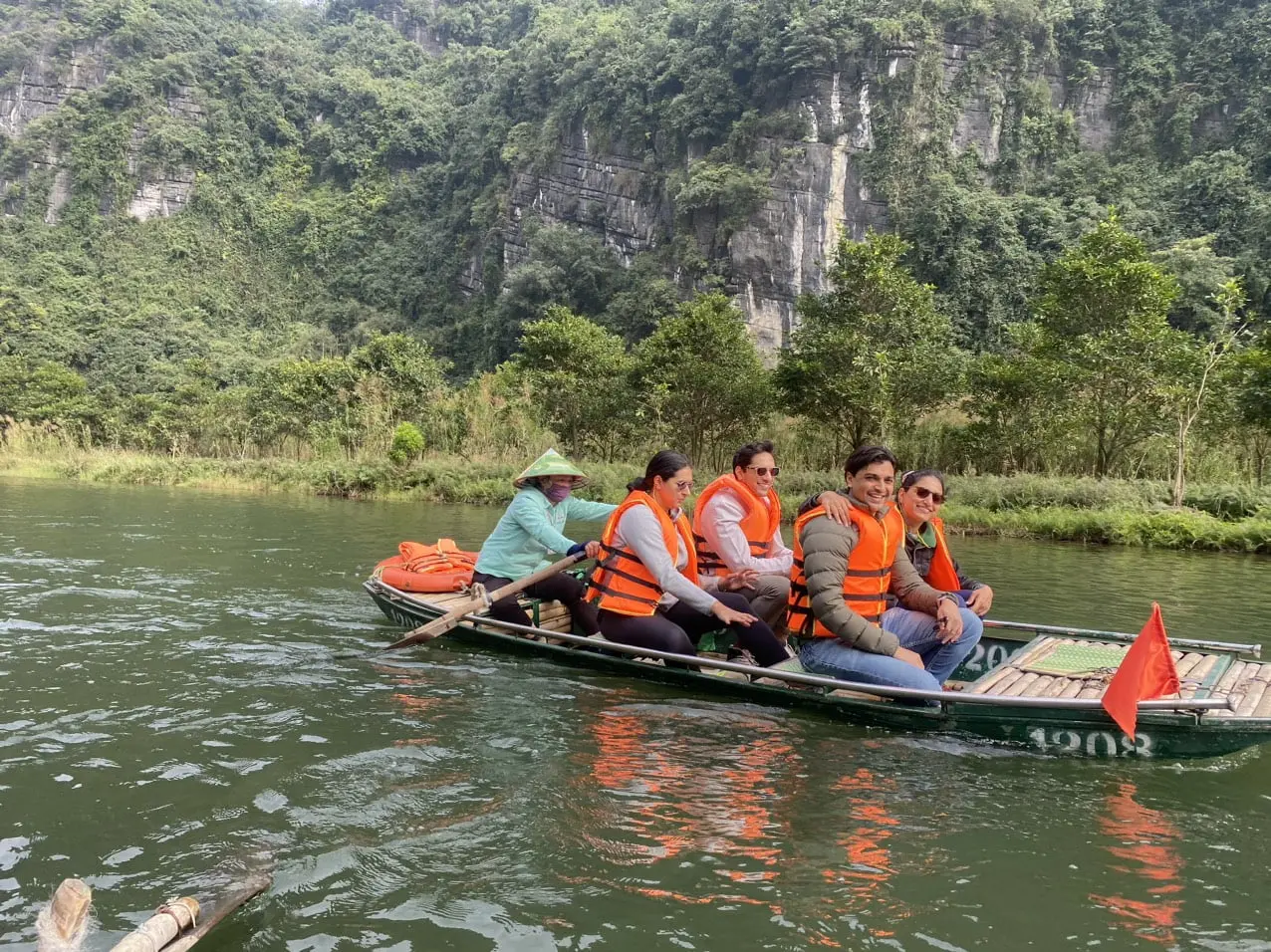
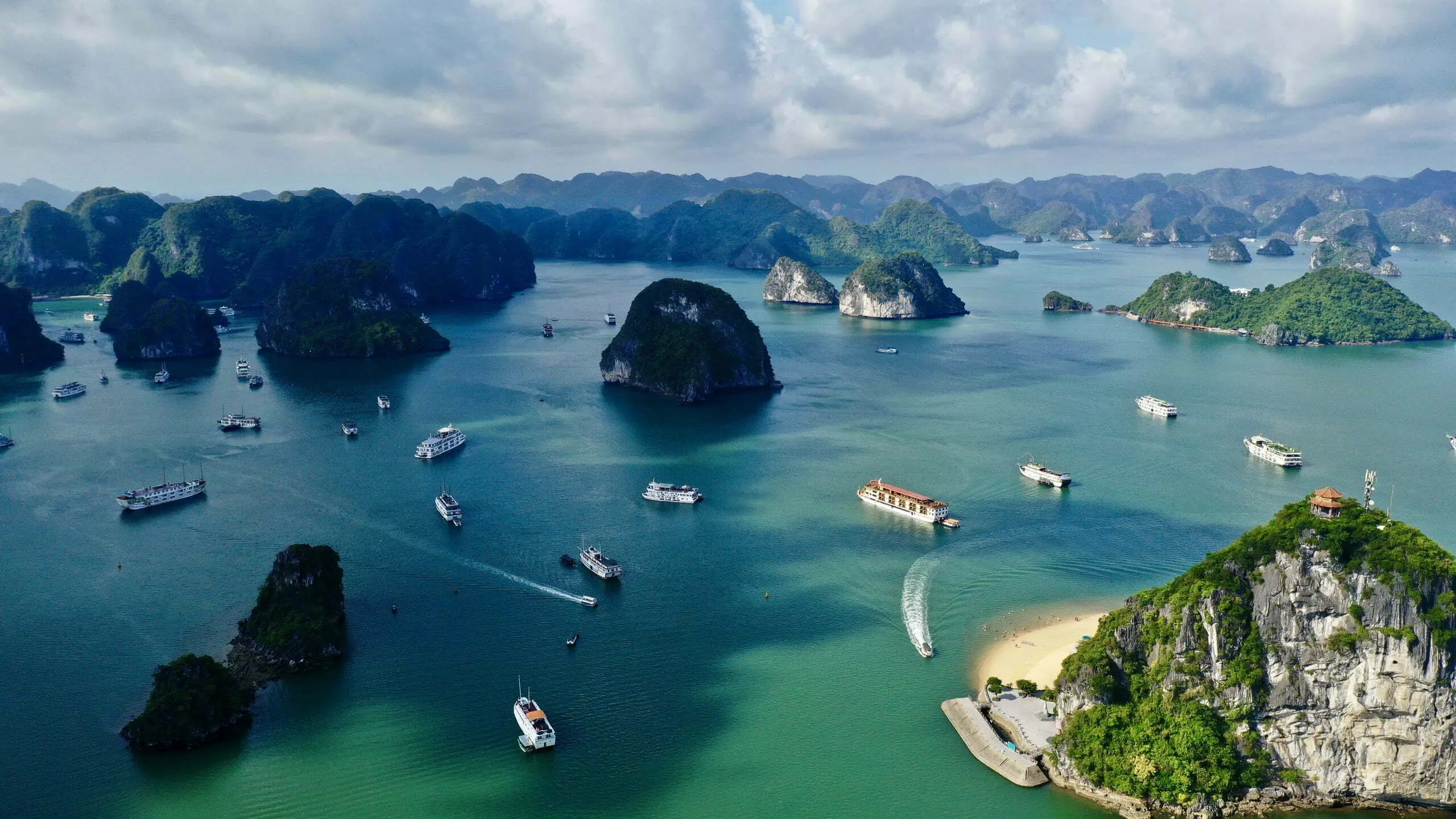
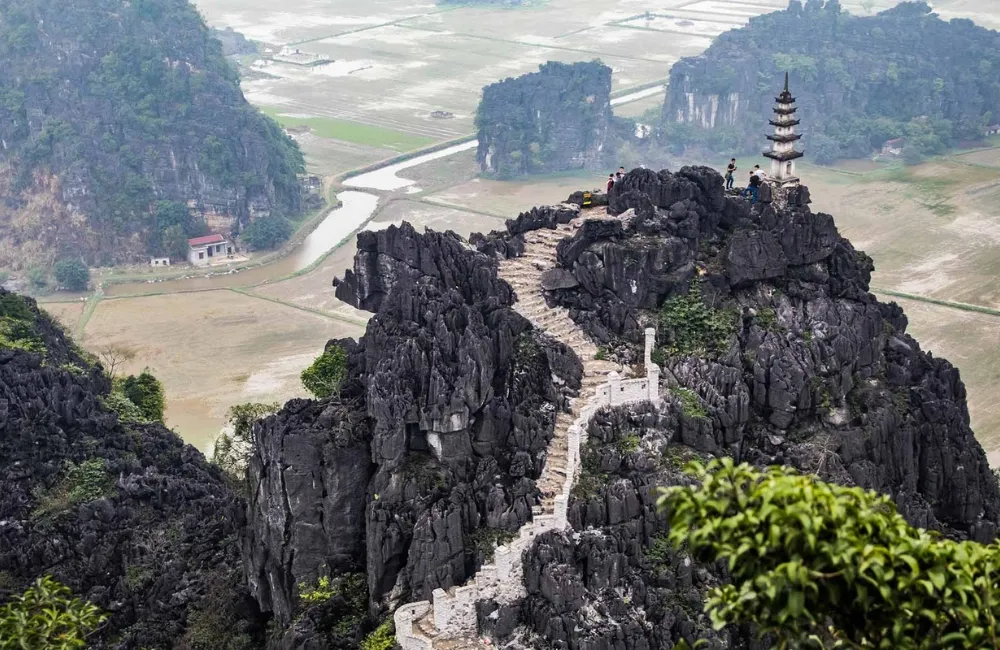
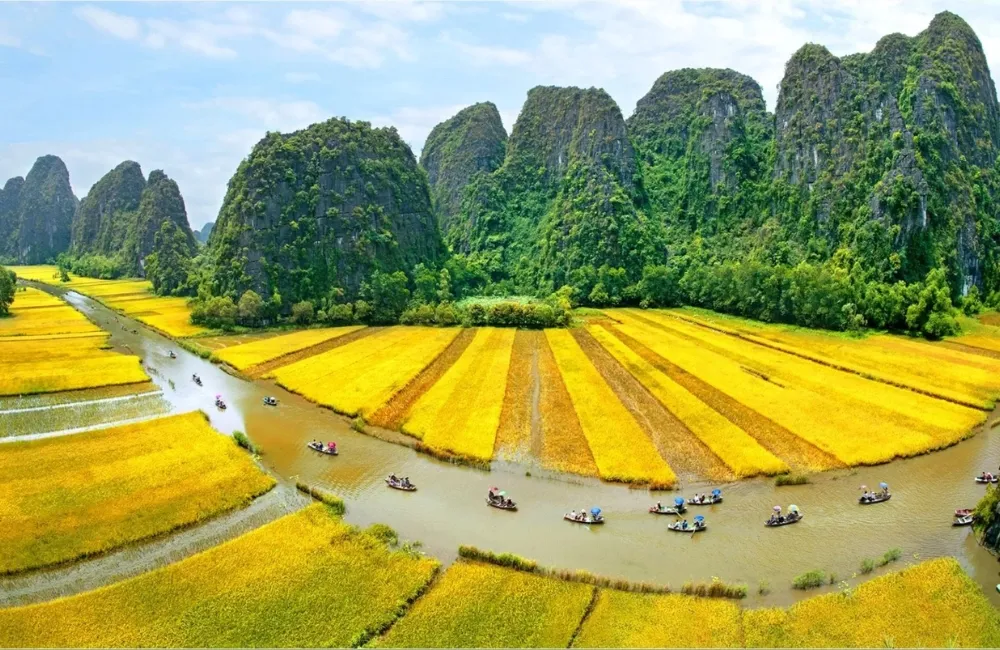
You know the photos, but nothing prepares you for the scale. In Ha Long Bay, the 1,600 limestone islands create a labyrinth that feels like a forgotten world. However, at AVT, we also love Trang An, Ninh Binh (often called "Ha Long on Land"). It’s a dual UNESCO site, honored for both its breathtaking karst landscape and its archaeological importance. Rowing through the water caves here is the definition of "Slow Travel".
>>>> Check out our blog on "Ha Long Bay to Ninh Binh: Similar But Different" to understand more about these two locations.
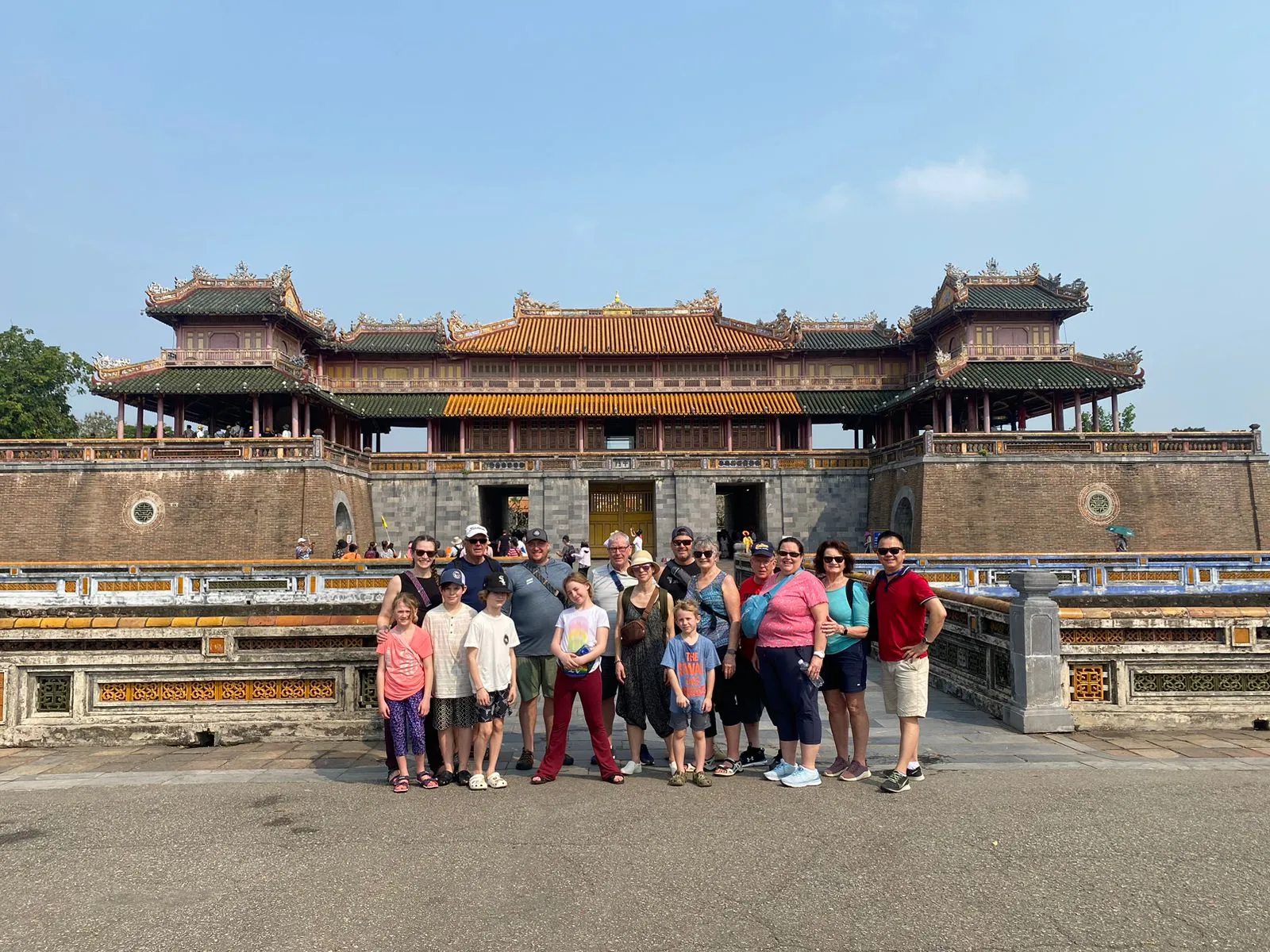
Hue is the city of emperors and a massive walled fortress modeled after the Forbidden City in Beijing, but with a distinctly Vietnamese soul. The tombs of the Nguyen Emperors, like the ornate Khai Dinh Tomb, are masterpieces of "East meets West" architecture. Walking through these silent halls, you feel the weight of the last dynasty of Vietnam.
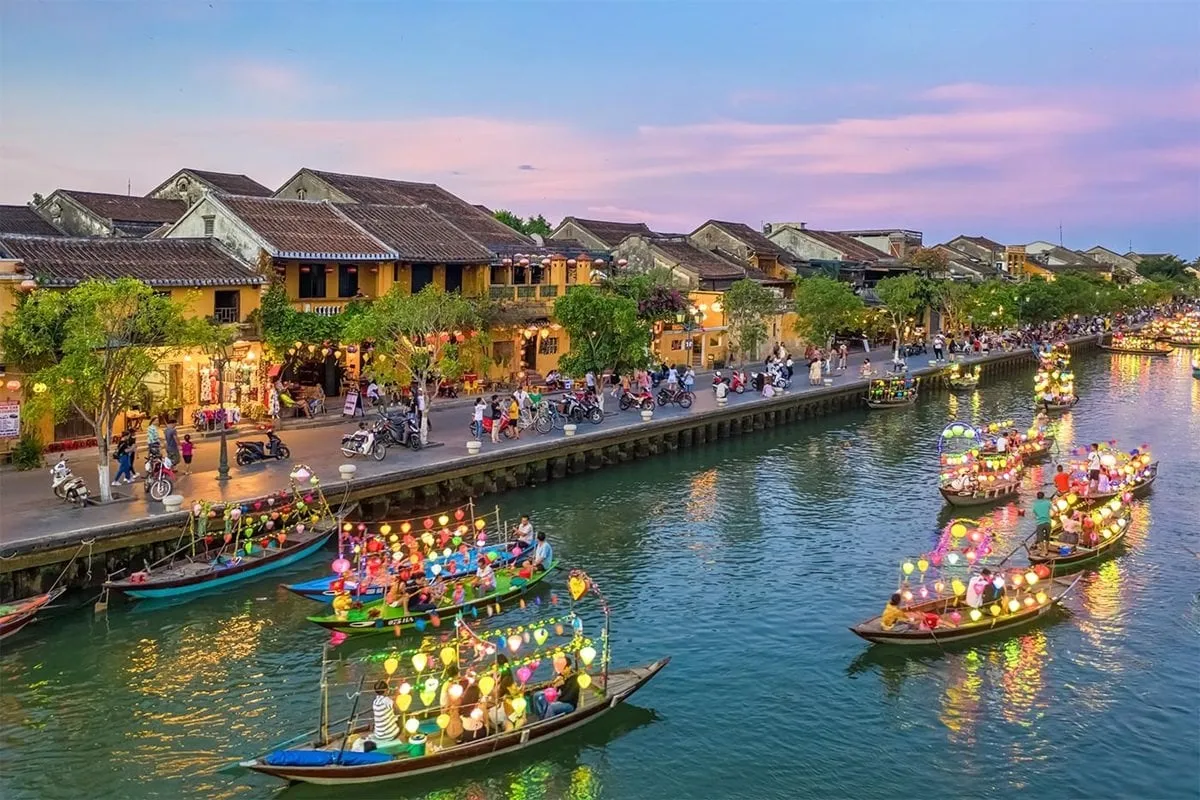
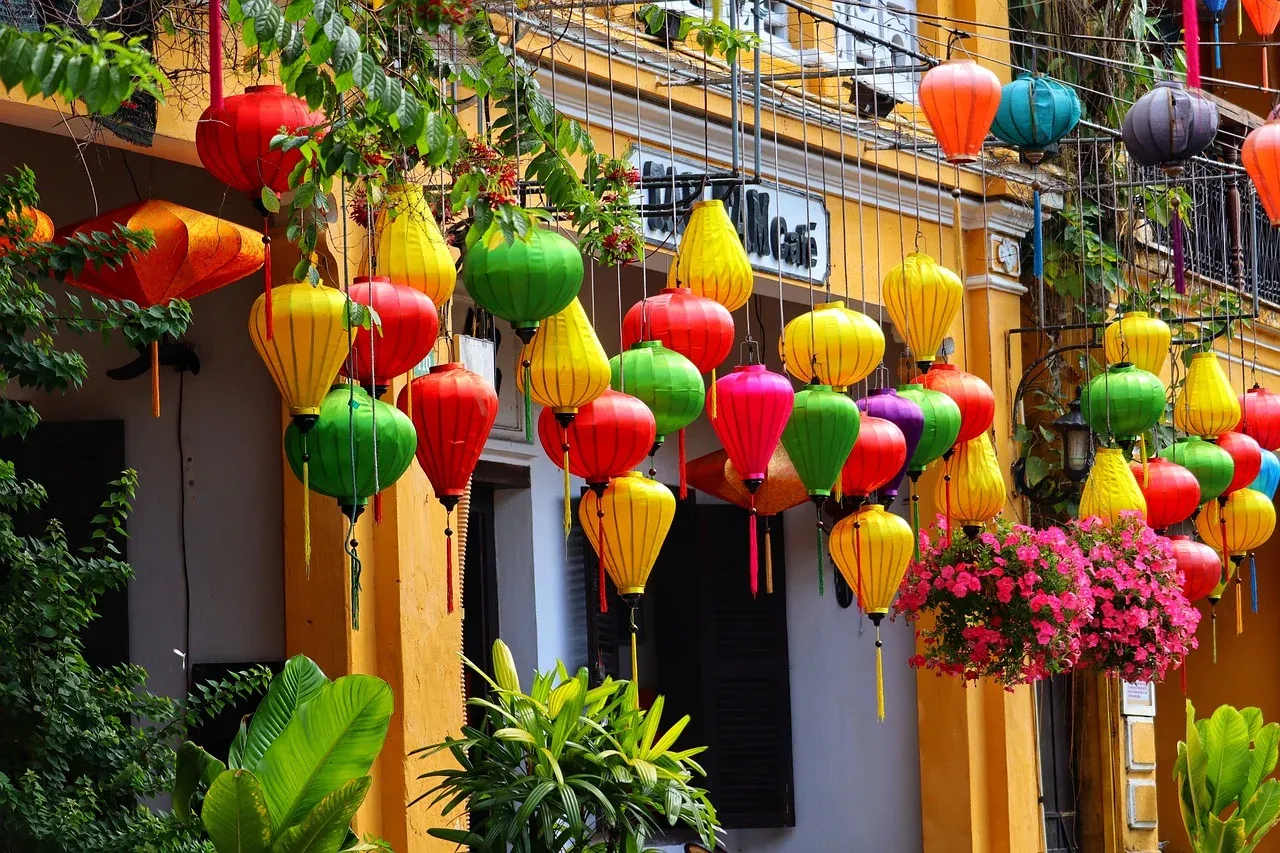
Hoi An is unique because it isn't a dead monument; it’s a living town. This 15th-century trading port is a fusion of Chinese, Japanese, and Vietnamese influences. In AVT Travel, we will ensure you spend time here at night, when the town is illuminated only by silk lanterns. It’s the best place in the world to slow down, get a custom suit made, and enjoy the relaxation part of your Vietnam Cambodia Tours.
Located in a lush valley, My Son Sanctuary was the religious heart of the Champa Kingdom. Often compared to Angkor Wat, these red-brick temples dedicated to Shiva were built between the 4th and 14th centuries. Even though parts were damaged during the war, the remaining towers still pulse with ancient energy.
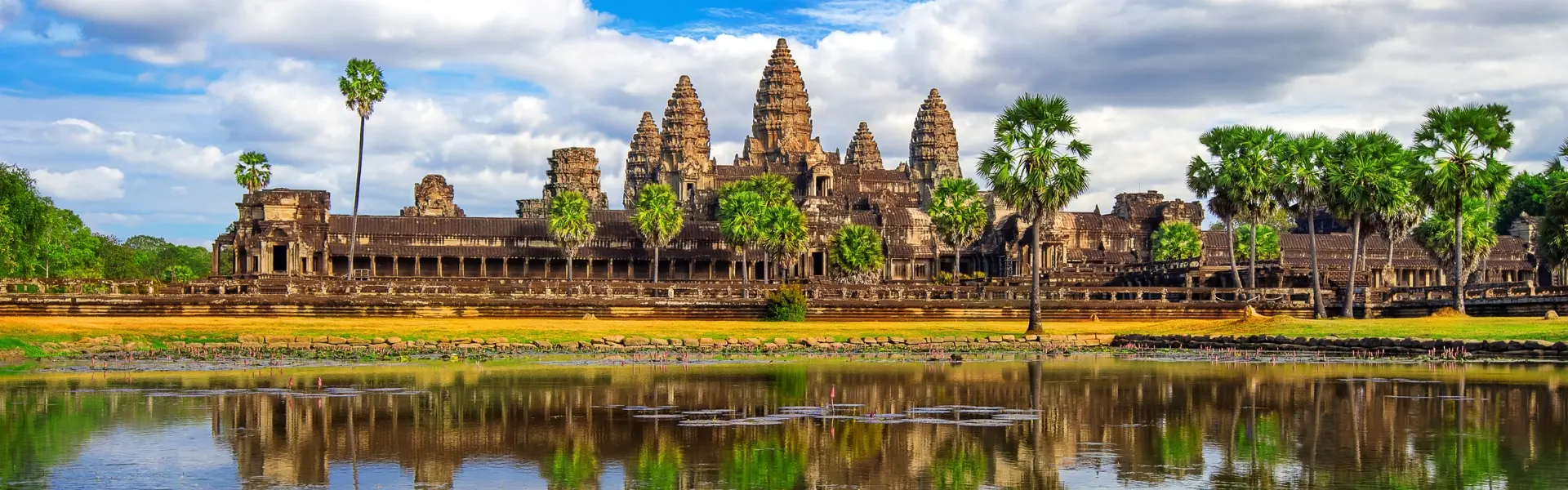
No Vietnam Cambodia tours is complete without the grand finale: Angkor. Stretching over 400 square kilometers, this is the largest religious monument in the world.
Angkor Wat: The masterpiece of Khmer architecture and a must-see for any Vietnam Cambodia Tours. We see it at sunrise to witness the "golden hour" reflecting in the lily ponds.
Bayon: The temple of a thousand faces. It feels like the stone is watching you, in the best possible way.
Ta Prohm: Left to the jungle, this temple shows the power of nature. Giant fig trees grow directly out of the ruins, creating a scene that feels like it’s straight out of an adventure movie.
>>> Read More: AVT Travel's Cambodia Travel Guide!
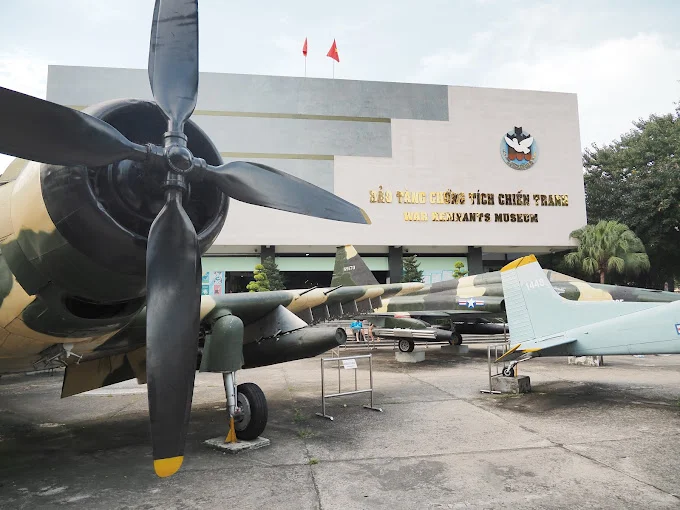
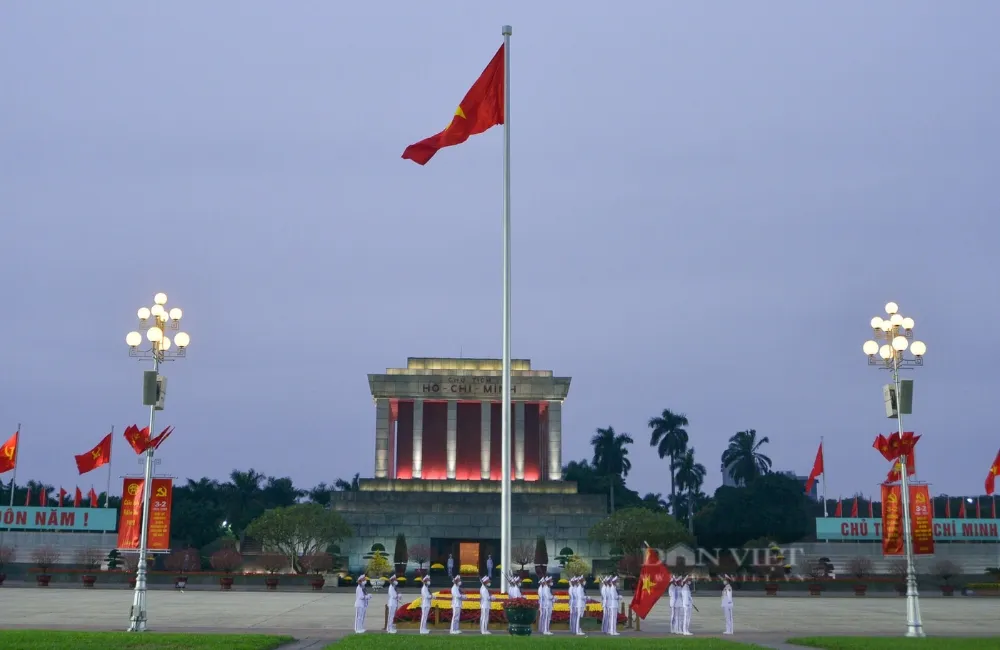
Welcome to my capital! We start with a cozy dinner to introduce you to the "Yin and Yang" of Northern flavors. On Day 2, we don’t just show you museums; we tailor the route to you. Whether it's the "Hanoi Hilton" or the wreckage of a B-52 in a quiet lake, we explore with intent. We end with a Cyclo ride through the 36 Streets, which is the best way to feel the city's 1,000-year-old pulse.
>>>> Why do we choose to add cycling activities? Check out our blog on Cyclo: An Exquisite Combination Between Eco Friendly Solution and A Culture Experience.
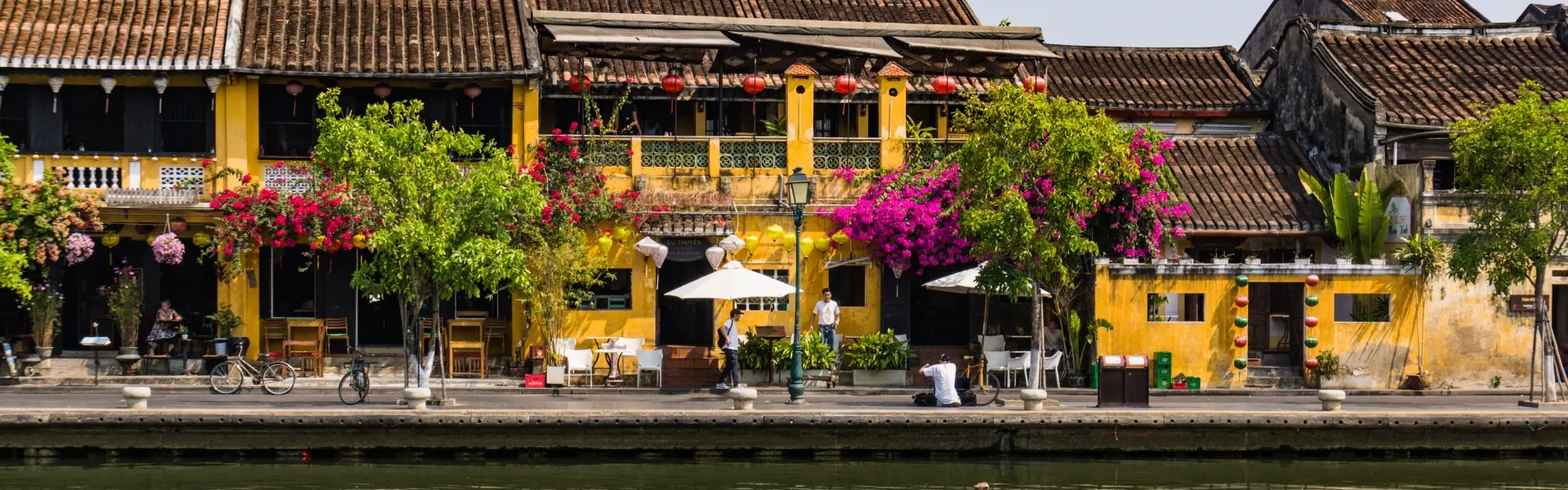
We head to the emerald waters of Ha Long Bay. My tip? Join the cooking class on deck as the sun sets. After waking up to a bay sunrise on Day 4, we fly to Hoi An, the town of yellow walls and silk lanterns.
Hoi An Ancient Town is our next World Heritage site. We’ll walk the Japanese Bridge and visit 200-year-old ancestral houses. But real magic happens on Day 6, when we bike to Tra Que Village. You’ll meet local farmers and try a round bamboo basket boat—it’s 70% adventure and 100% fun.
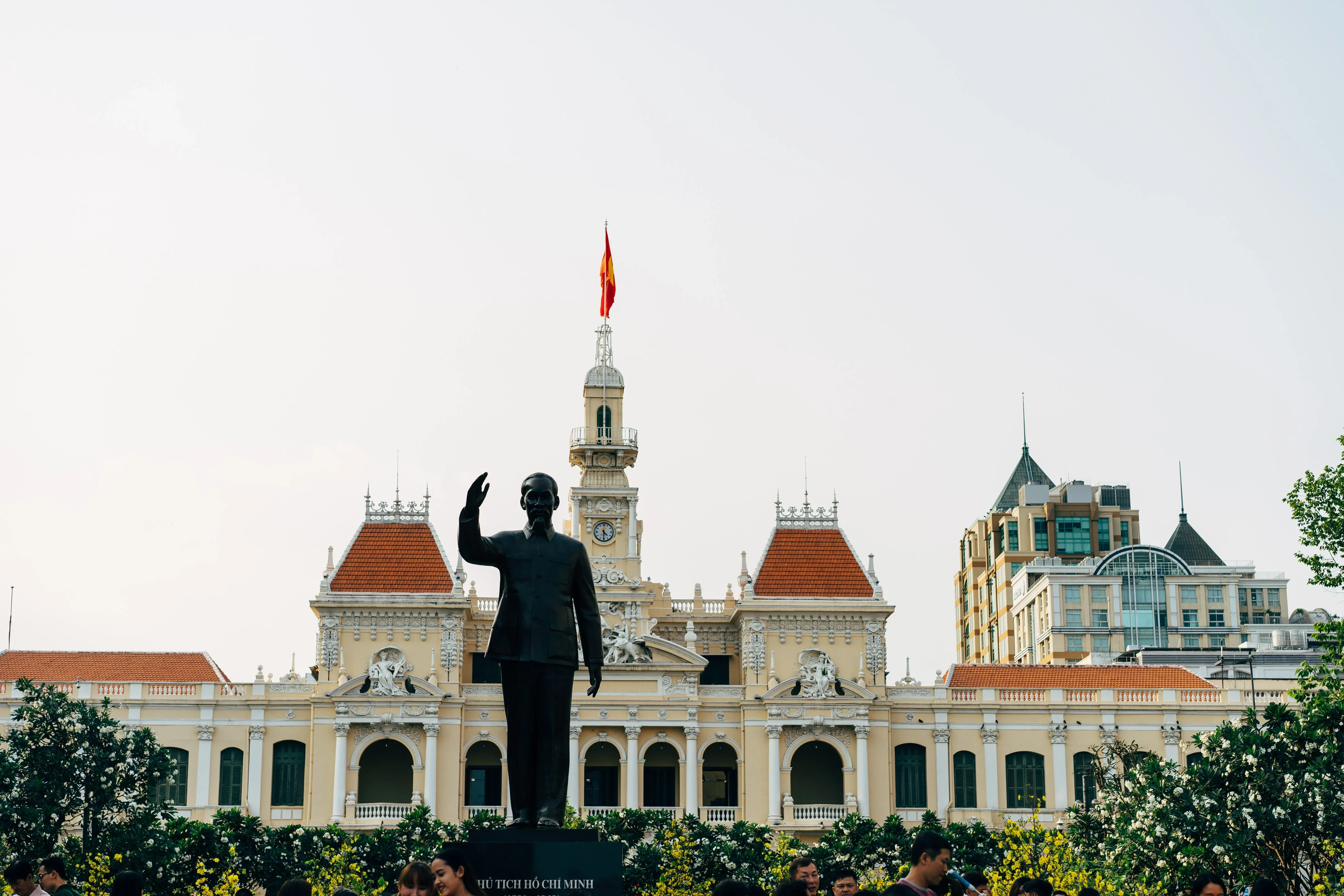
We fly to Saigon for a walking tour of French colonial history. Day 8 is a standout: the Cu Chi Tunnels. As your guide, I’ll share stories of the ingenuity required to live in this 250km labyrinth. We balance this heavy history with a farm-to-table lunch at a local vegetable farm.
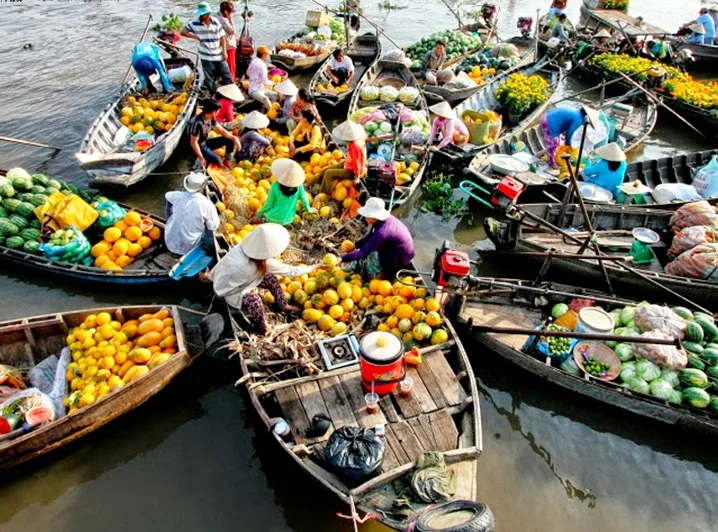
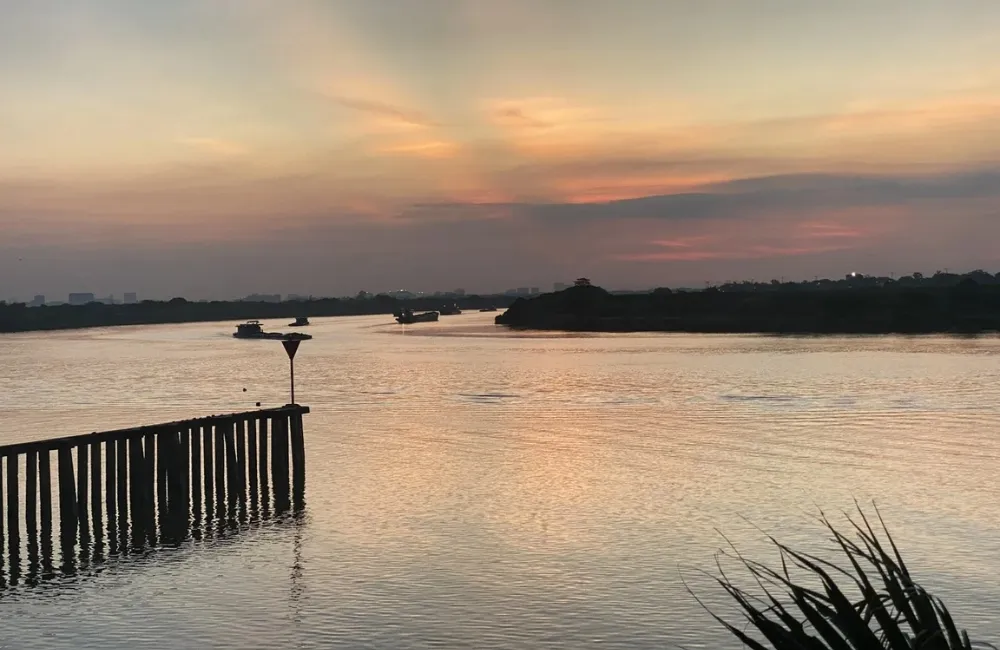
We head into the "Rice Basket". From the Cai Be and Cai Rang floating markets to rowing boats in narrow canals, this is where you see the "water life" of Vietnam. We end in Chau Doc, prepping for our border crossing.
We take the speedboat to Cambodia. In Phnom Penh, we ride cyclos to the Royal Palace. Day 12 is an emotional day with the Killing Fields and S-21. These are somber visits, but essential for "widening your understanding" of the Cambodian spirit before we fly to Siem Reap.
This is the moment to remember! We rise early for the Angkor Wat sunrise. I’ll take you to Ta Prohm (the "Tomb Raider" temple), where giant roots swallow ancient stone. On Day 14, we visit Tonle Sap Lake to see the floating villages. It’s a beautiful, sunset-drenched finale to your journey.
Time to say goodbye to the new friends you've made. You leave with a heart full of stories and a soul widened by heritage before ending this Vietnam Cambodia Tours.
The biggest mistake travelers make is thinking Cambodian food is just a version of Vietnamese food. While both rely on the bounty of the Mekong, their "personalities" couldn't be more different.
Vietnamese Cuisine (The Balance of Five):
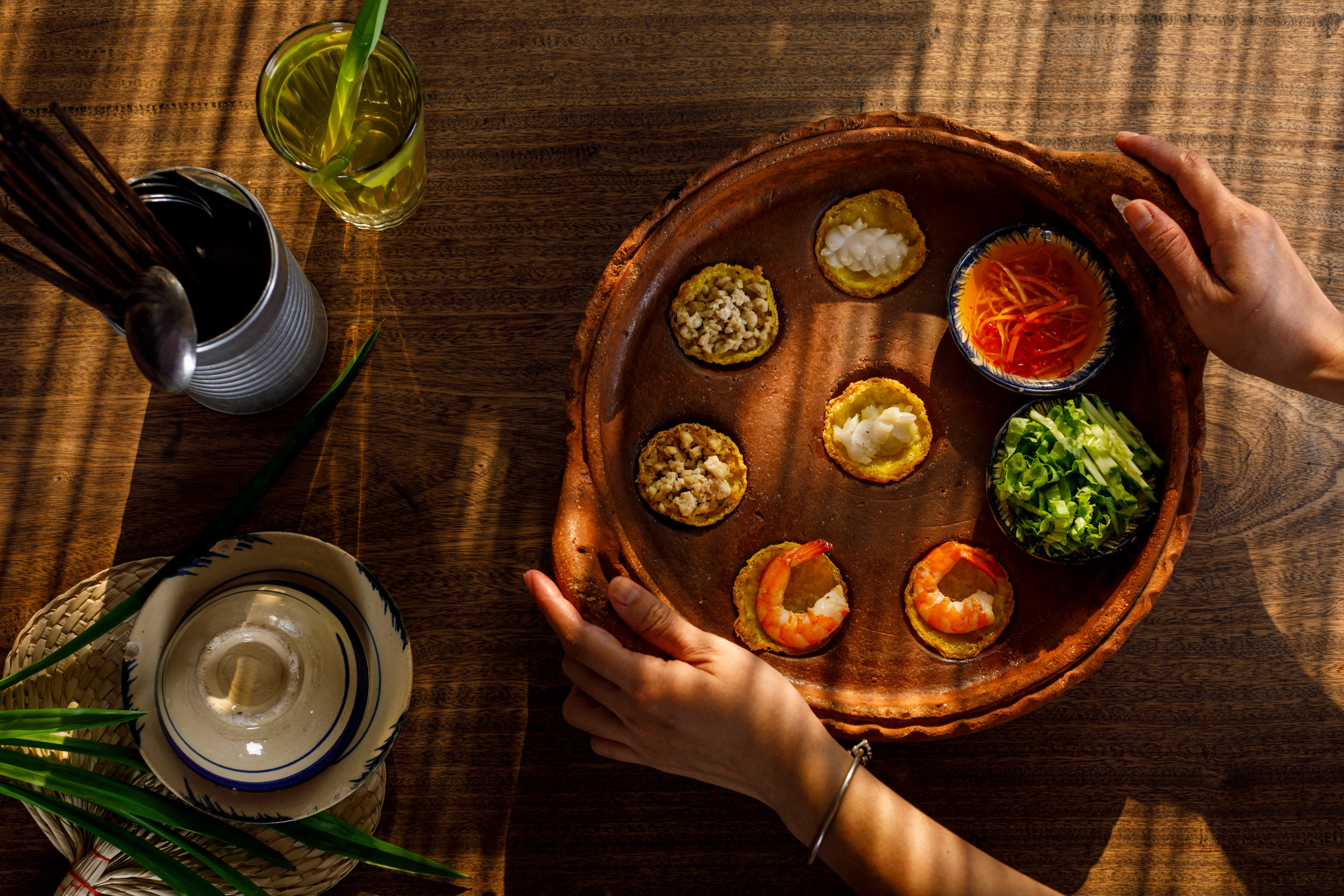
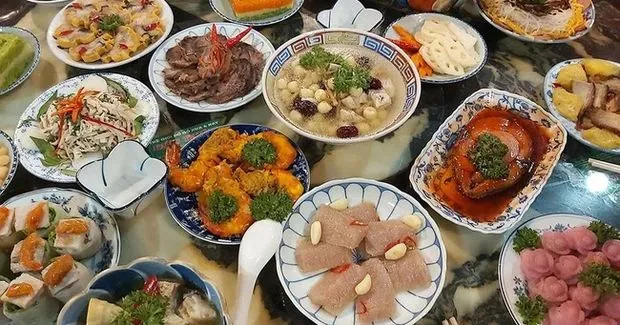
Vietnamese cuisine is built on the philosophy of the "Five Elements" (Wood, Fire, Earth, Metal, Water). Every dish is a delicate balance of sweet, sour, salty, bitter, and spicy. In the North, flavors are subtle and light; in the South, they become sweeter and bolder. You’ll use chopsticks for almost everything, and you’ll find that fresh, raw herbs are served on the side of every bowl to let you control the final flavor.
Must-Try: Bún Chả in Hanoi (smoky grilled pork), Bánh Xèo in the South (crispy turmeric crepes), and of course, a steaming bowl of Phở.
Cambodia Cuisine (The Rich & Earthy):
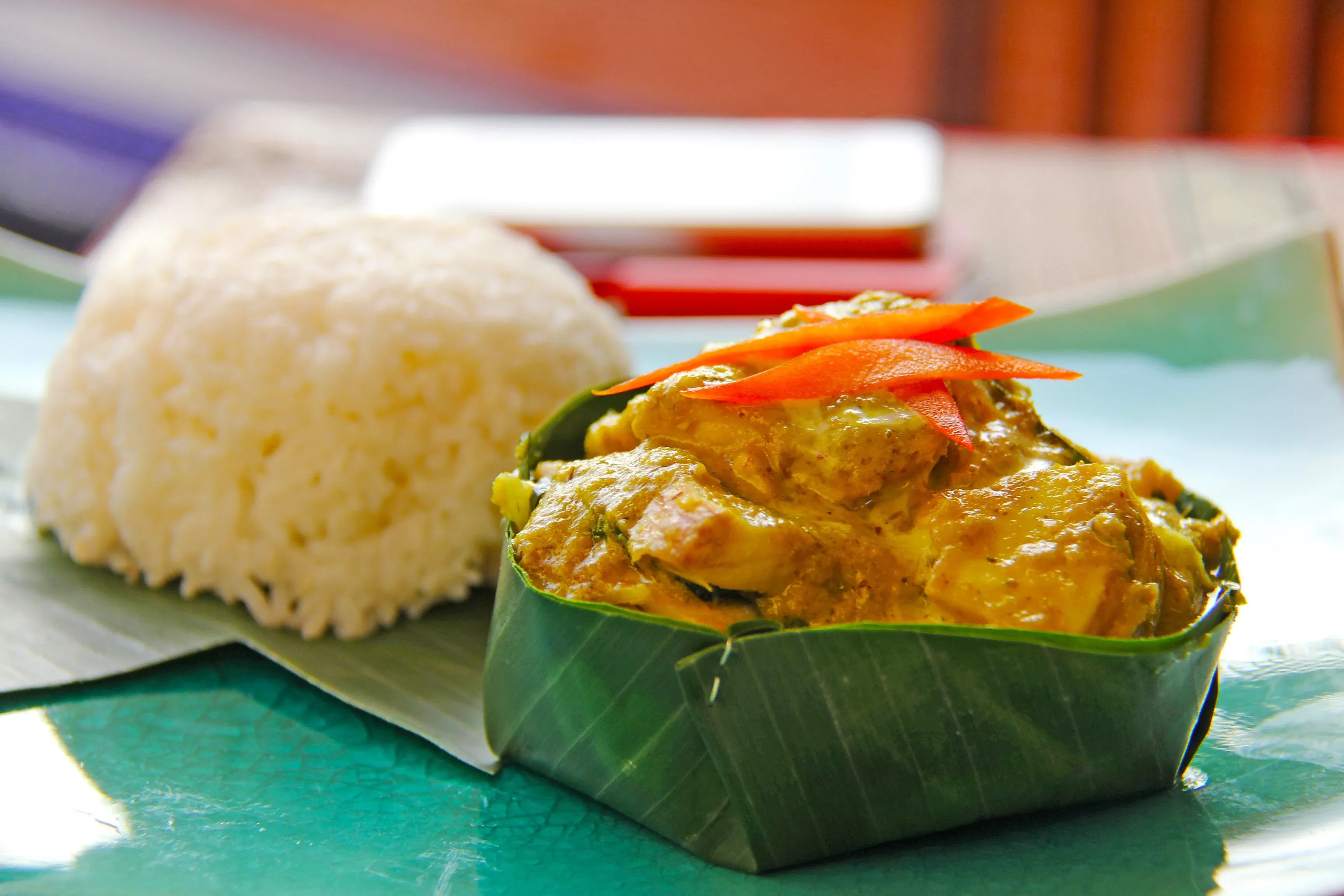
Cambodian (Khmer) food leans closer to the flavor profiles of India or Thailand, but with less "fire". Instead of just fish sauce, the secret ingredient here is Prahok - a pungent, fermented fish paste that adds a deep, savory "umami" to every dish. You’ll see more rich coconut curries and complex spice pastes called Kroeung. Most importantly: forget chopsticks for rice! In Cambodia, people traditionally use a fork and spoon (using the fork to push food onto the spoon).
Must-Try: Fish Amok (a silky, steamed coconut curry) and Nom Banh Chok (traditional Khmer noodles often eaten for breakfast).
The "Temple Kit": Always carry a lightweight scarf. Respecting the "Spiritual Culture" means covering your shoulders and knees.
Cash is King: While apps like Grab are great, keep small bills for the floating markets.
Stay Hydrated: The Indochina sun is no joke. Carry a reusable bottle; we’ll help you refill it at our sustainable partners.
If you’re in a hurry, flying from Saigon to Siem Reap takes an hour. But if you want the "Slow Travel" experience we love, take the speedboat from Chau Doc to Phnom Penh. It’s a 4.5-hour journey that lets you actually see the transition of the Mekong River. It’s scenic, social, and much more memorable than an airport terminal.
In Vietnam, the Vietnam Dong (VND) is king. In Cambodia, they have a dual-currency system: the US Dollar (USD) and the Cambodian Riel (KHR). In 2026, most places in Cambodia prefer USD for larger purchases and Riel for small change. Pro-tip: Make sure your US bills are crisp and tear-free, or they might be rejected!
The easiest way is an eSIM. You can buy a "Regional SE Asia" plan before you leave home that covers both Vietnam and Cambodia. This way, the second you cross the border on the Mekong, your GPS and Grab app will still work perfectly.
Absolutely. Vietnamese food is all about fresh herbs and the balance of salty, sweet, sour, and spicy. Cambodian food (Khmer cuisine) is often milder and uses rich, complex spice pastes called Kroeung.
In short: No. Even in the big cities like Saigon or Phnom Penh, stick to filtered or bottled water. At AVT, we lead with integrity and provide plenty of safe drinking water throughout the tour to keep you hydrated without the "Hanoi Belly" worries.
This is our home. A global agency follows a script; we follow our hearts. We choose sustainable partners, we know the "hidden" entrances to avoid the crowds, and we ensure your money stays within the local communities you visit for your Vietnam Cambodia Tours. That’s the AVT for Good promise.
As we look back on this journey, from the mist-shrouded "Spiritual North" of Vietnam to the golden, jungle-wrapped towers of Angkor, it’s clear that Vietnam Cambodia Tours are more than just a sequence of destinations. It is a transition of the soul.
You’ll come for the UNESCO World Heritage sites, and they will certainly take your breath away. But when you look back on your trip a year from now, you won’t just remember the scale of Angkor Wat at sunrise. You’ll remember the way the light hit the rice paddies. You’ll remember the laughter of the farmers who showed you how to seed their vegetables, the quiet rhythm of the rowing boat in the Mekong, and the "lifetime friends" you made over a shared meal in Hoi An.
At AVT Travel, we don’t just show you the world; we help you connect with it. By mastering the 70/30 balance, we ensure you have the energy to truly see, feel, and understand the heritage of our home. We lead with service and travel with integrity, ensuring that your journey supports the local communities that make Indochina so special.
Vietnam and Cambodia are waiting to share their stories with you. The only question left is: are you ready to listen?
If you’re ready to step away from the tourist crowds and into the heart of Indochina, I invite you to explore our signature route. This is a persona-first experience designed to widen your understanding of the world. And of course, if you want any adjustment or want your tour to be exactly to your preference, you can always Built your own trip with us!
Join us on a journey where every step is intentional, every site is a story, and every traveler is a guest in our home with our 15-day Legend of Vietnam & Cambodia Tour. If you have more time to explore Vietnam and Cambodia, check out our 20-day Best of Vietnam and Cambodia or our Multi-Countries Tours list!

Travel, Exploring, and Stays Operated by our local Expert Teams.