 Agent Signup





Best Seller
The Grand Vietnam Family Odyssey
19 Days | AVT28



Article Content
Vietnam is a country where history is not locked inside museums; it lives in landscapes, old streets, temples, caves, and the daily rhythms of local life. Today, Vietnam World Heritage sites are among the most compelling reasons travelers fall in love with Vietnam.
In this comprehensive guide, we unveil Vietnam World Heritage - including breathtaking natural landscapes, awe-inspiring ancient monuments, and rich intangible cultural traditions still alive today. Whether you’re a first-time visitor, a heritage enthusiast, or a cultural explorer, this is your curated roadmap to the best of Vietnam’s legacy.
Vietnam World Heritage refers to the collection of cultural and natural sites in Vietnam officially recognized by UNESCO for their outstanding universal value. These places are protected not just for Vietnam, but for humanity as a whole.
What makes Vietnam World Heritage sites particularly unique is their diversity:
Ancient kingdoms and imperial capitals
Sacred religious landscapes
Traditional towns frozen in time
Dramatic natural wonders shaped over millions of years
Each Vietnam World Heritage site tells a different story of resilience, spirituality, trade, power, and harmony between people and nature.
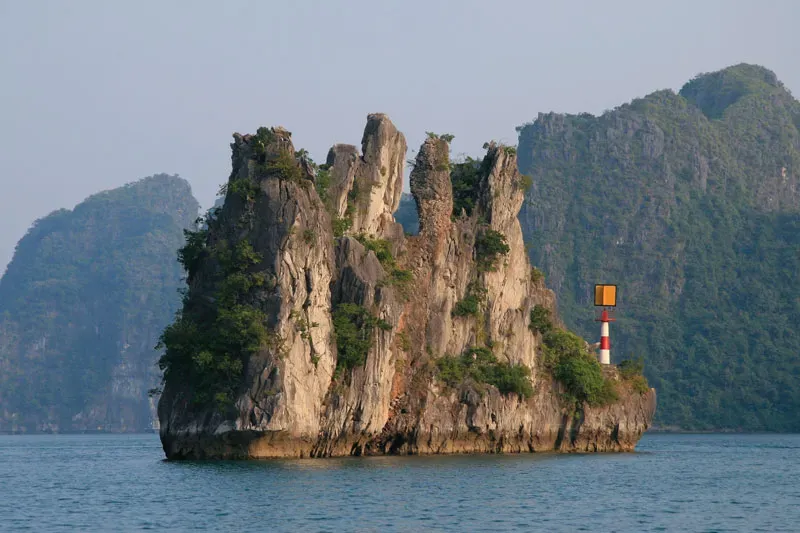
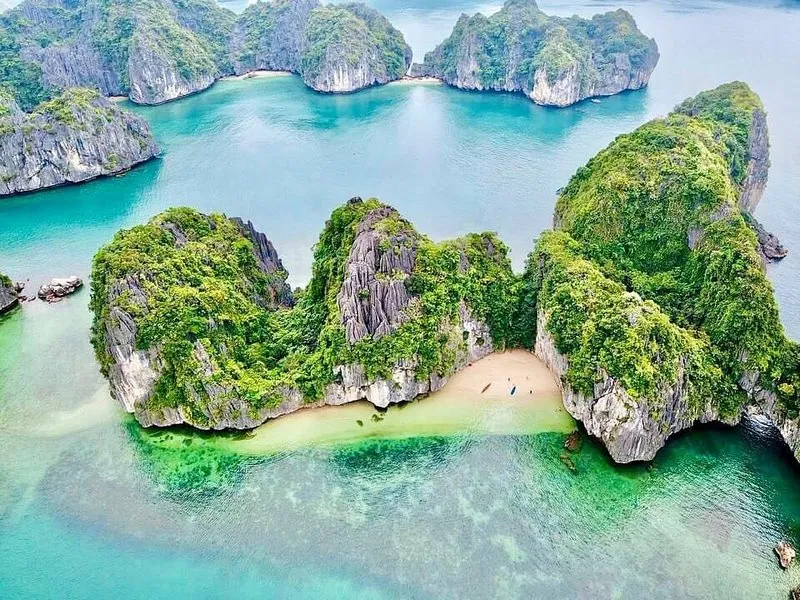
Why it’s special: No discussion of Vietnam World Heritage is complete without Ha Long Bay. Situated in Quang Ninh Province (including the Cat Ba Archipelago), Halong Bay is inscribed as a UNESCO Natural World Heritage Site for its outstanding limestone karst formations rising from the sea, forming more than 1,100 islands and islets in a marine‑invaded tower‑karst system.
>>>> Finding a daily escape to Halong Bay? Check out our Hanoi Halong Bay Private tour for a memorable trip with an exclusive deal!
What to see & do:
How to visit:
Best time: Spring (March–May) or early autumn (Sept) when the weather is stable and the sea calmer.Tip: Pick a cruise that visits less‑touristy areas. Bring swimwear and a light jacket (evening gets cool on the water).
Note: Sustainability is increasingly important here — over‑development and large tourism flows are under scrutiny. Reuters
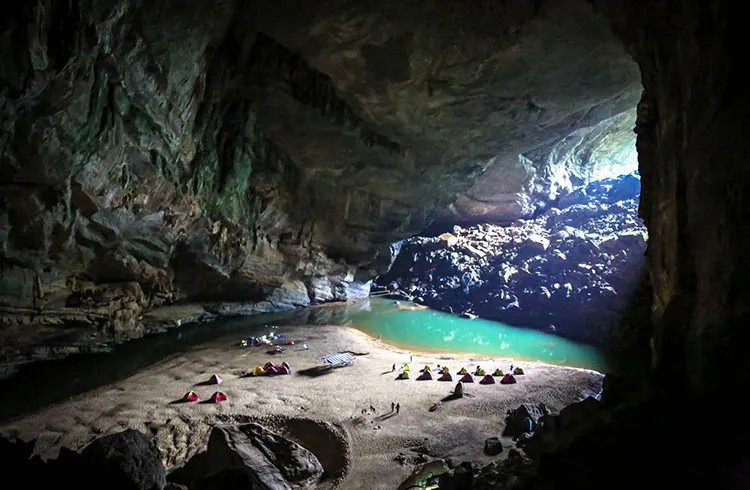
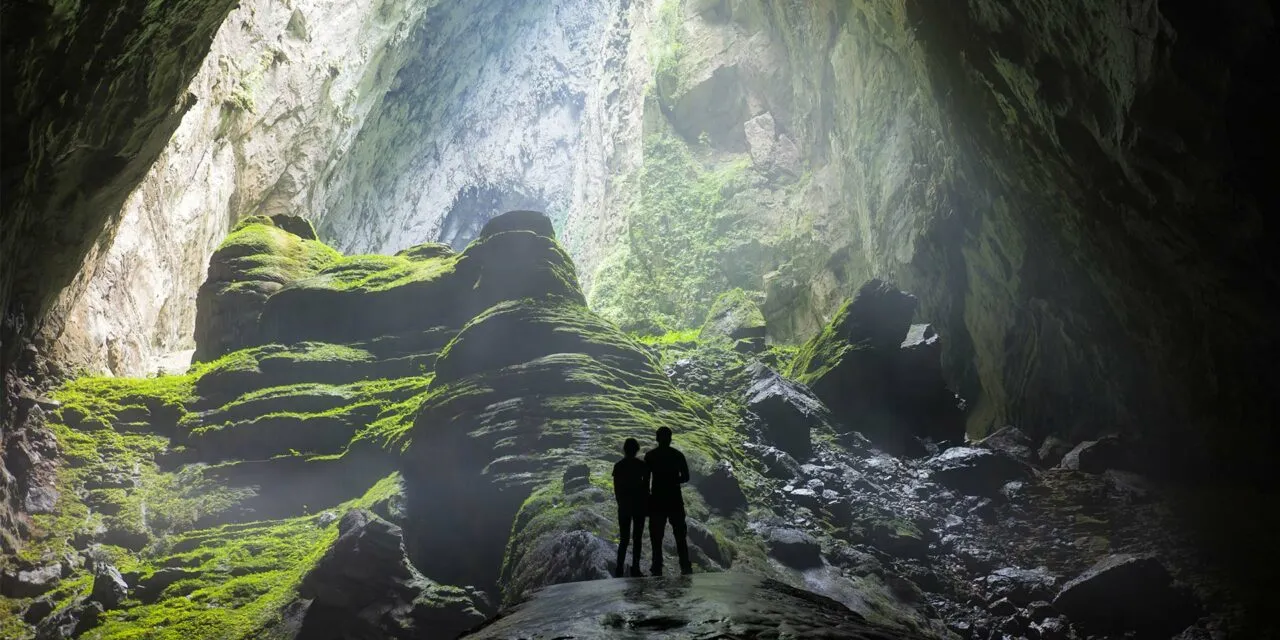
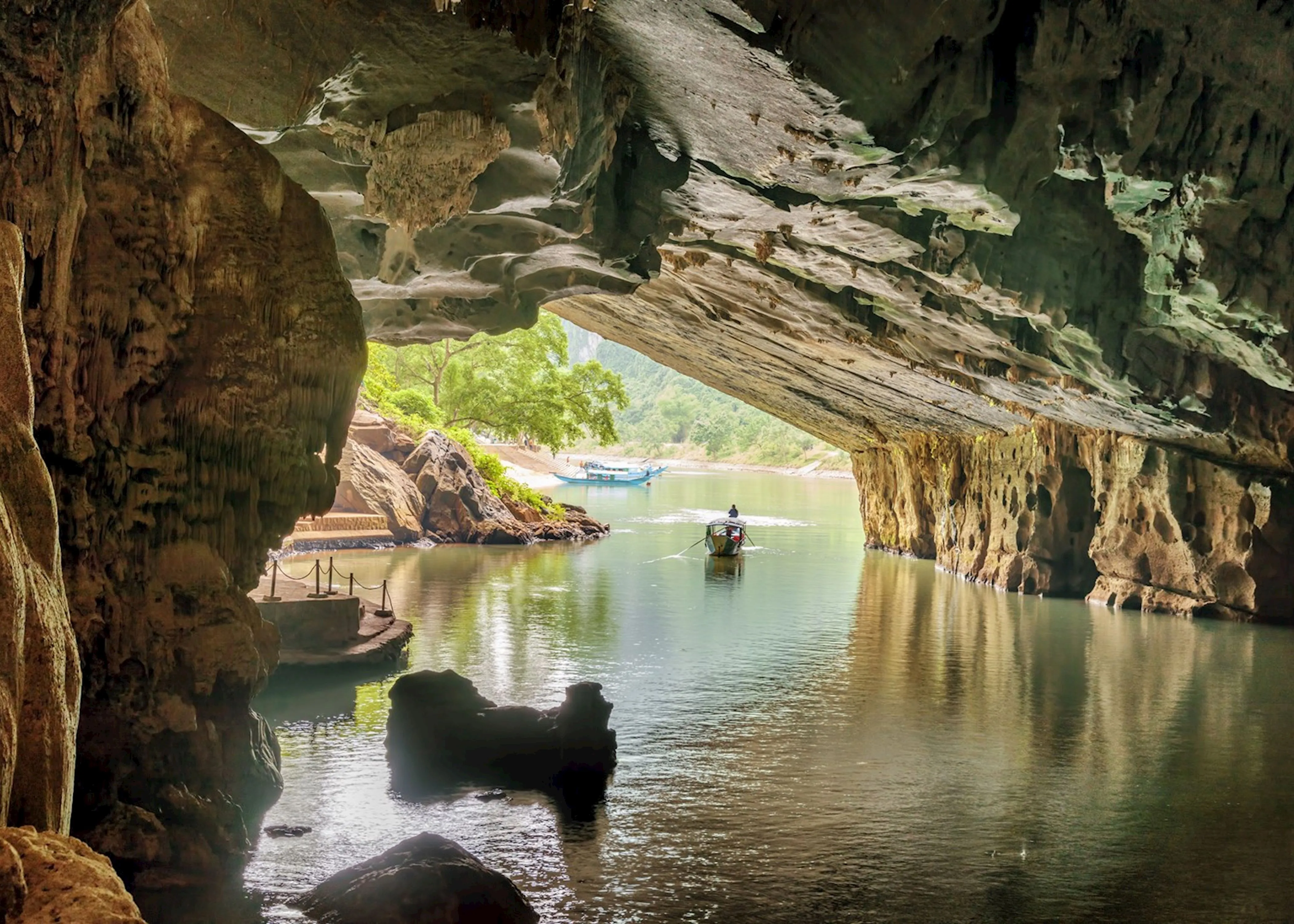 Why it’s special: This is the wildest expression of Vietnam World Heritage. Listed by UNESCO first in 2003 (and extended later) for its exceptional natural values: vast cave systems, underground rivers, limestone karst, and rich biodiversity. Phong Nha–Ke Bang is home to some of the world’s largest and oldest caves, including Son Doong, the largest cave on Earth. Adventure travelers often say this Vietnam World Heritage site feels like exploring another planet.
What to see & do:
How to visit:
Best time: February to August for drier conditions; avoid heavy rains or the flooding season.
Tip: Wear sturdy shoes, bring insect repellent, waterproof bag for valuables. Some cave waters may be cold.
Extra: For advanced travellers, there are longer cave expeditions (with local specialist guides), but for general visitors pick the standard tours.
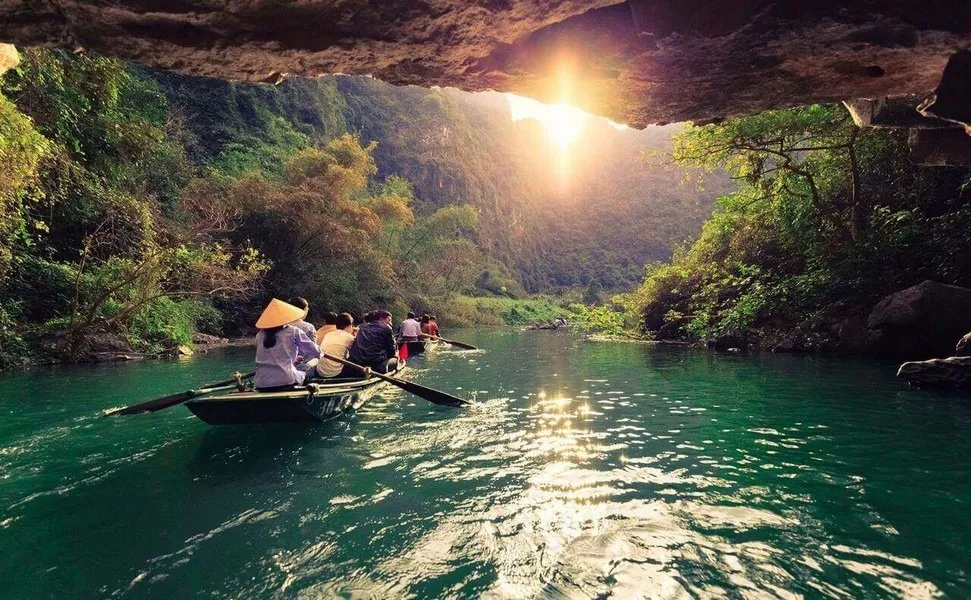
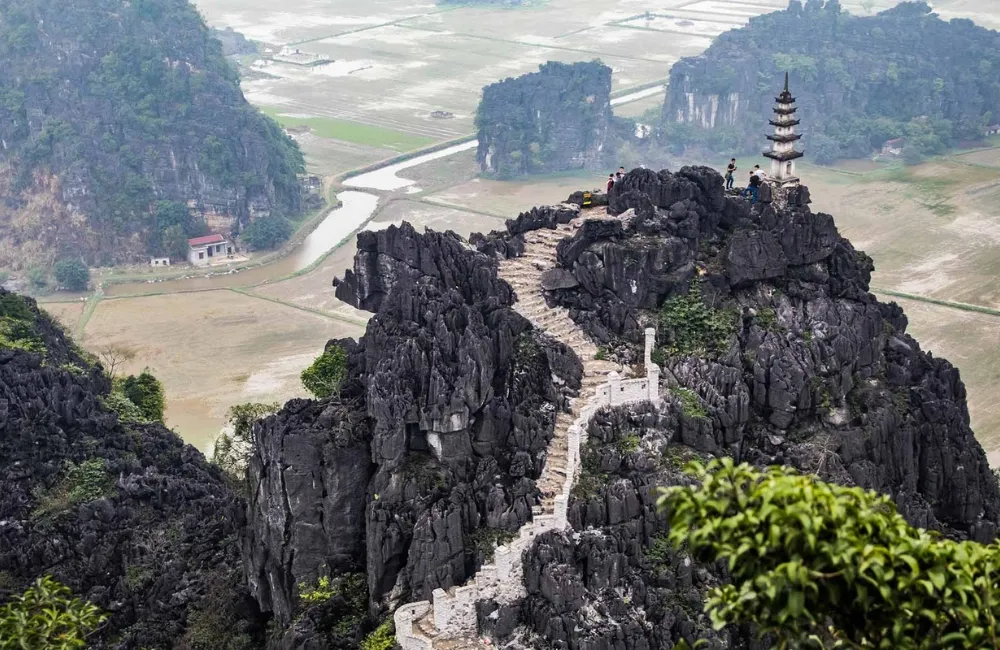
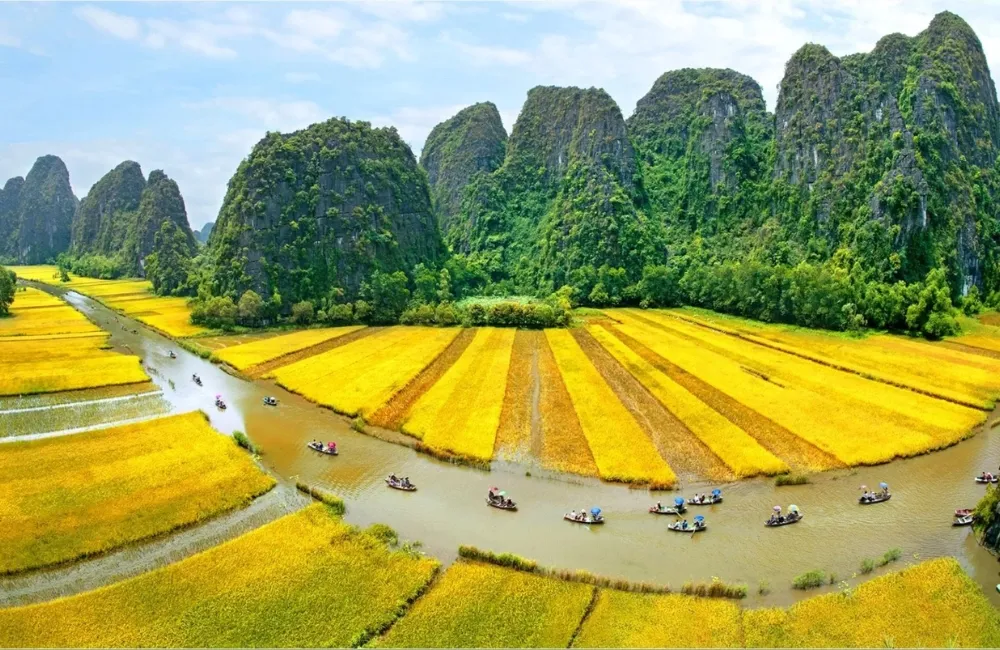
Why it’s special: Trang An is one of the newer Vietnam World Heritage listings, and one of the most visually poetic. This site combines natural and cultural heritage. Trang An is a UNESCO “mixed” property featuring limestone karst landscapes, river‑cave networks, and historical remains (such as the Hoa Lu ancient capital).
What to see & do:
How to visit:
Best time: Spring (March–May) for green fields and pleasant weather; or autumn (Sept/Oct) for fresh landscapes.
Tip: Bring sun‑hat / sunscreen — many boats lack shade. Wear long-sleeved or a light layer if sensitive to the sun.
Bonus: Stay overnight in Ninh Bình province to enjoy the sunset/quiet rural surroundings.
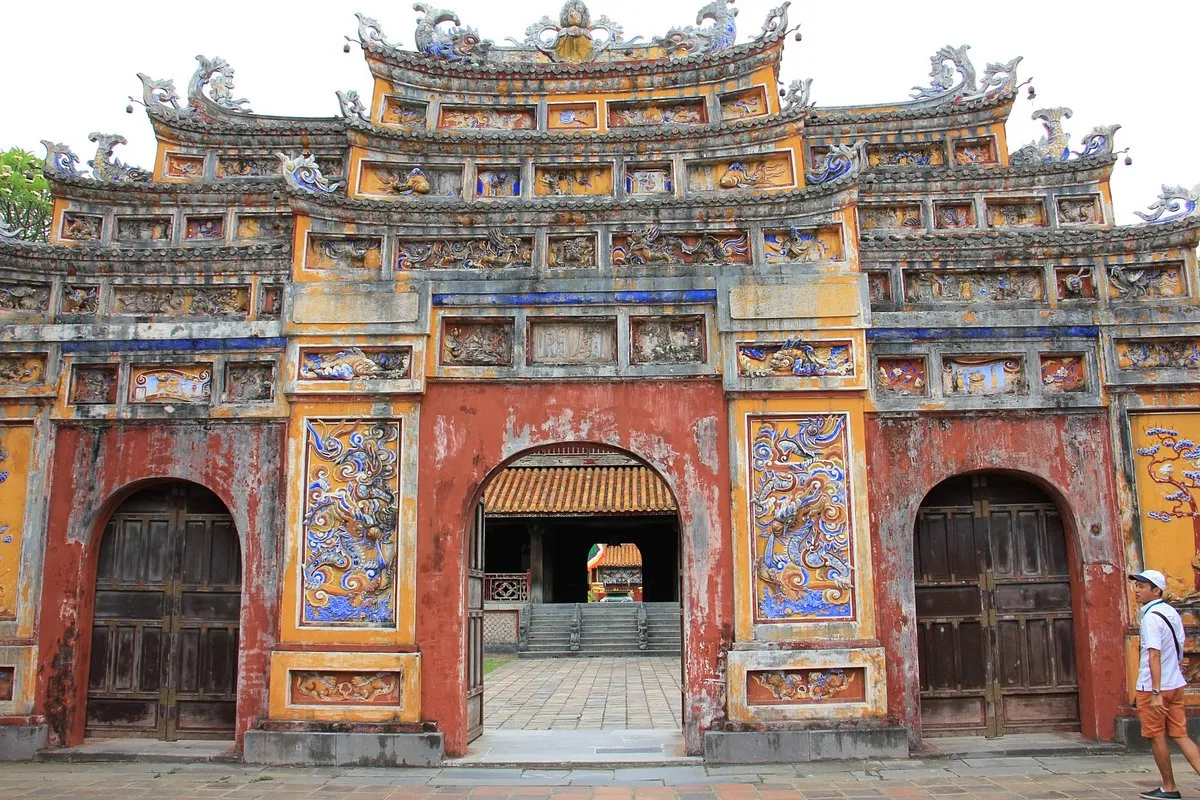
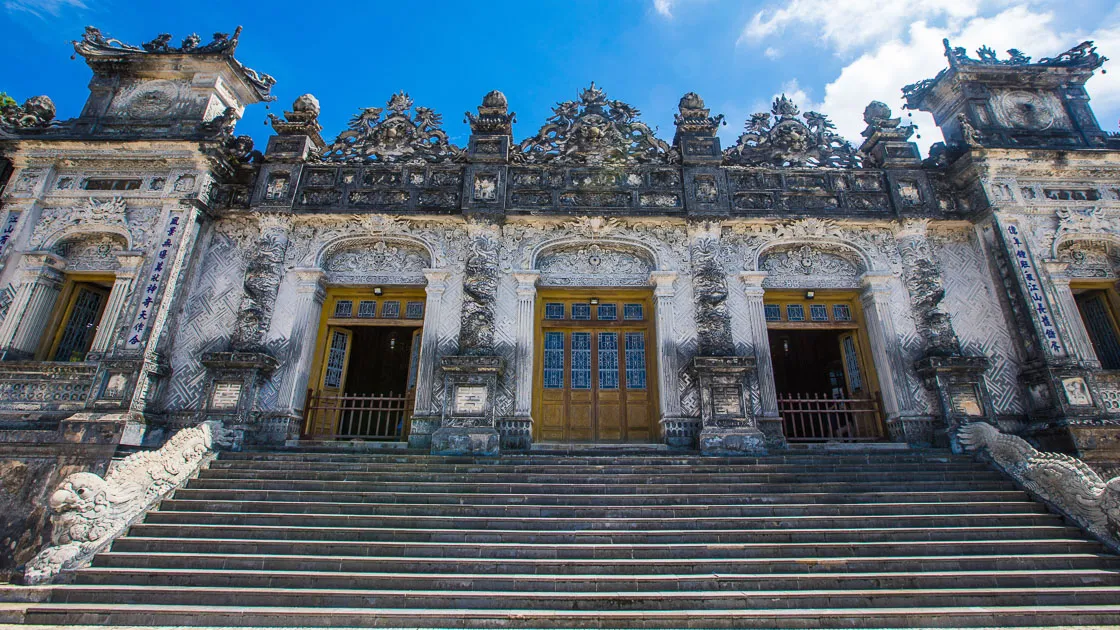
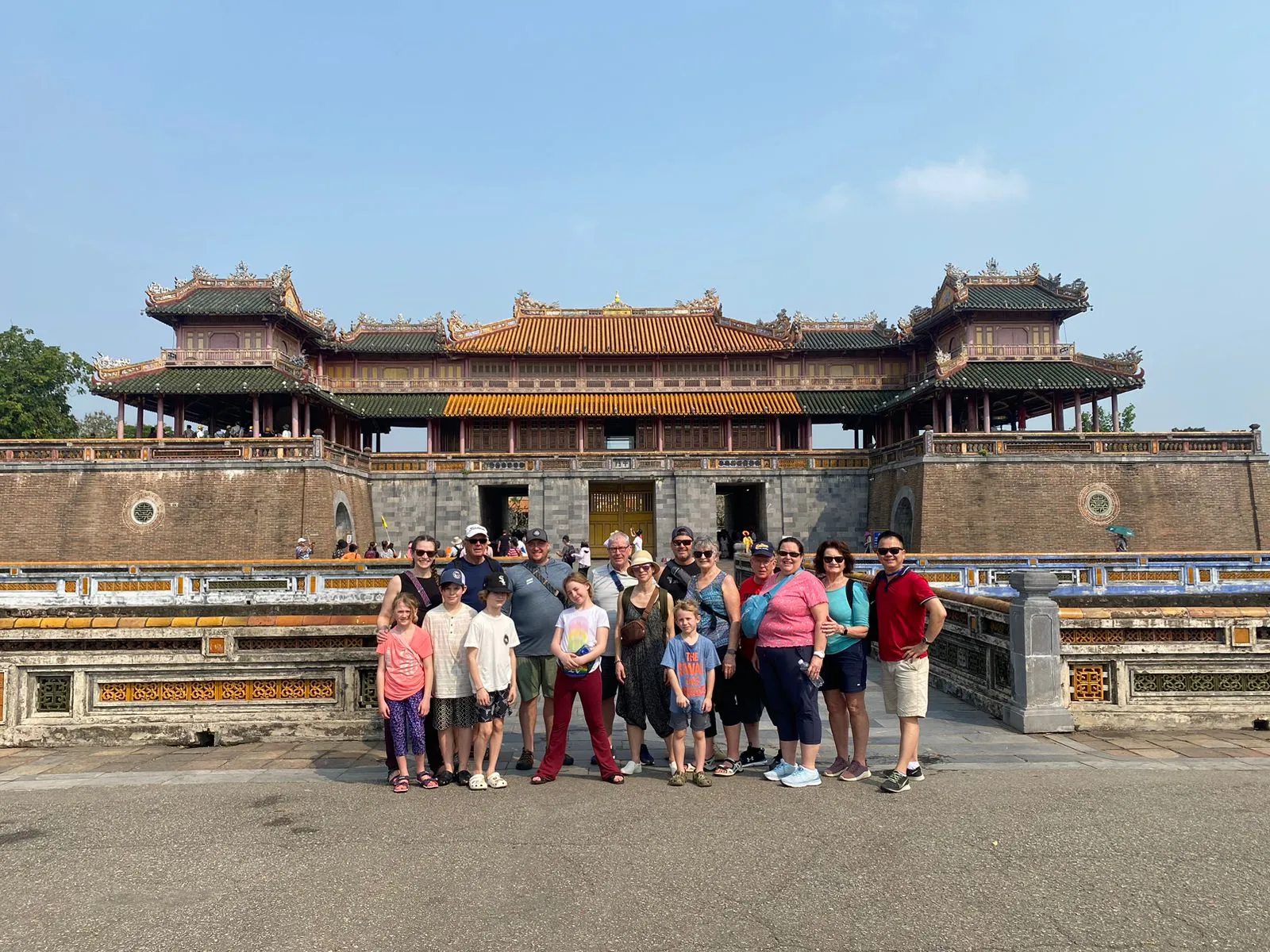
Why it’s special: Located in Hue, central Vietnam, this complex was the political, cultural, religious, and educational centre of the Nguyen dynasty (1802‑1945). It includes the Imperial City, royal tombs, pagodas, and temples. Inscribed by UNESCO in 1993.
>>>> Read More: The Best Local Dishes in Hue!
What to see & do:
How to visit:
Best time: February–April, when the days are mild and fewer rains. Avoid heavy summer heat or major local festival crowds if you prefer quiet.
Tip: Wear modest clothing (especially inside tombs/pagodas). Visit early in the morning for cooler light and fewer visitors.
Extra: Combine with a day trip to the nearby DMZ area (if you’re keen on modern history) or coastal beaches of Thuan An.
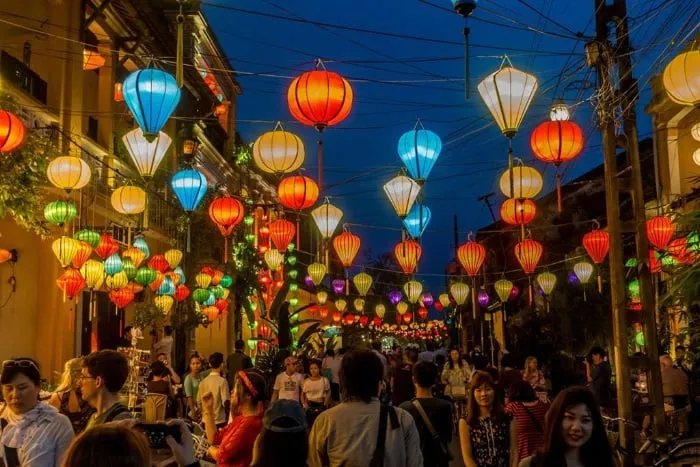
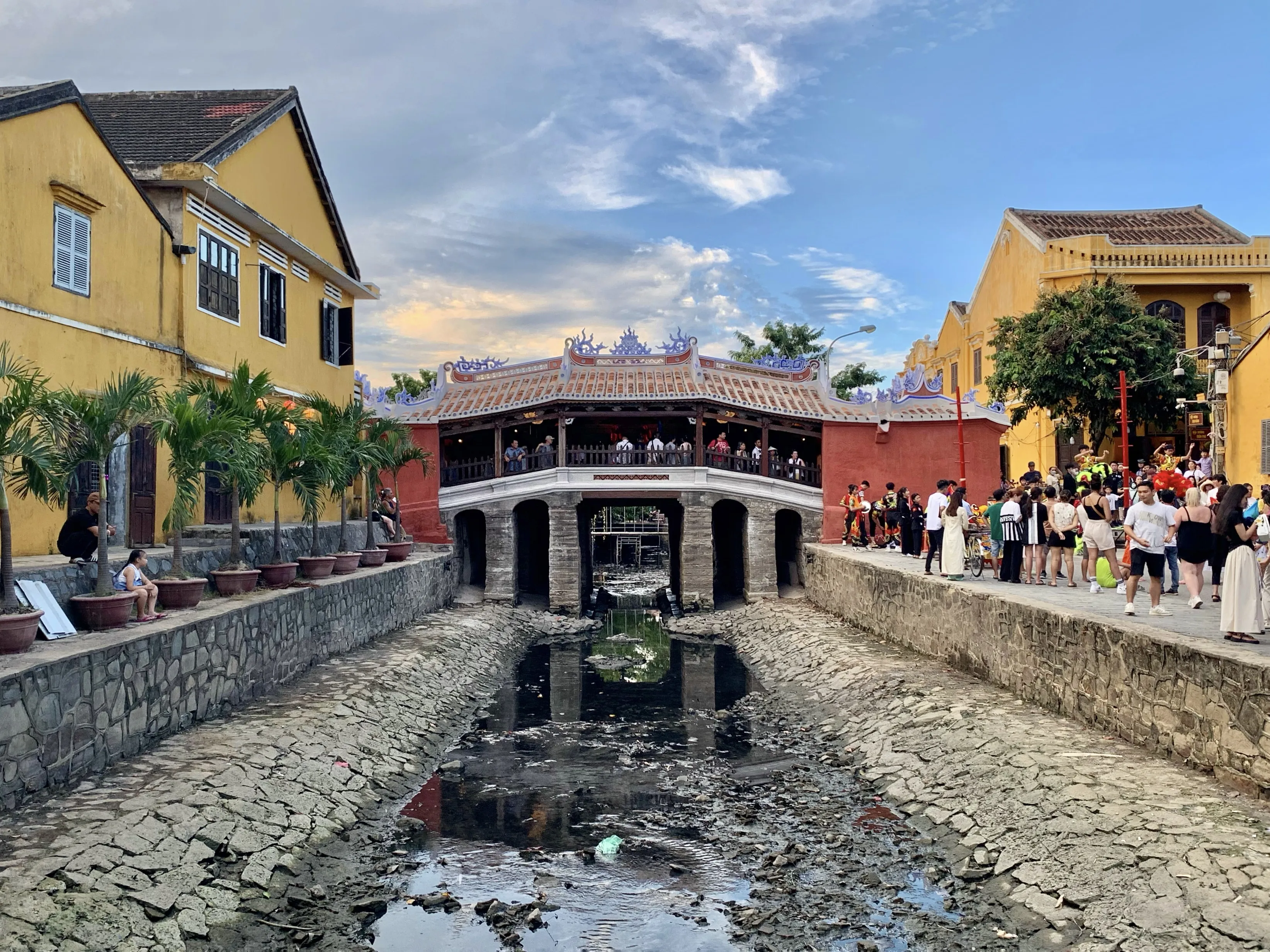
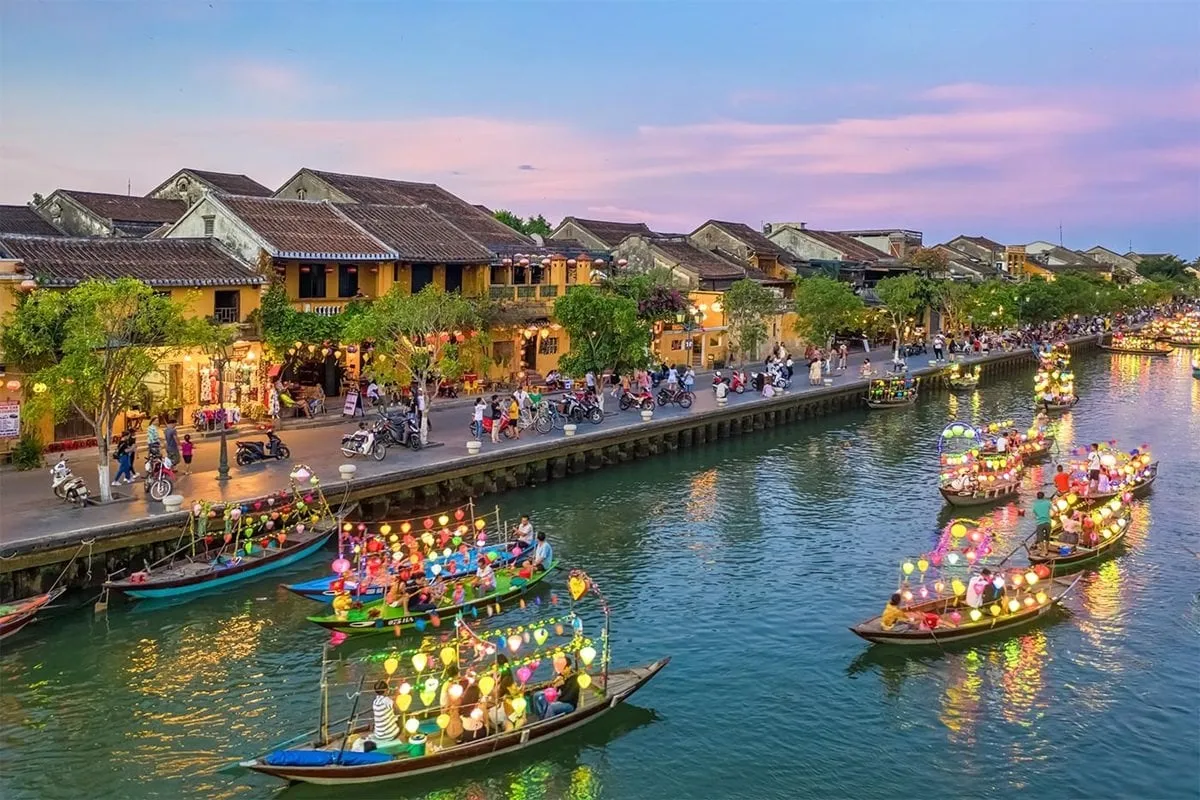
Why it’s special: Hoi An Ancient Town is one of the most beloved Vietnam World Heritage sites, and for good reason. Once a thriving international trading port between the 15th and 19th centuries, the town has preserved its architecture, street layout, and soul. Its buildings, street plan, and waterfront townscape are exceptionally well‑preserved.
Walking through Hoi An is like stepping into a preserved moment in time. Among all Vietnam World Heritage locations, this one feels the most intimate and human.
What to see & do:
How to visit:
Best time: February–April or October (drier seasons). Avoid November–January when heavy rain may disrupt.
Tip: Book accommodation in advance in peak season. Bring a light jacket for the evening river breeze. Try the local specialty dishes (cao lầu, white‑rose dumplings).
Extra: Stay one extra night in Hoi An to soak up the night‑scene when daytour crowds depart.
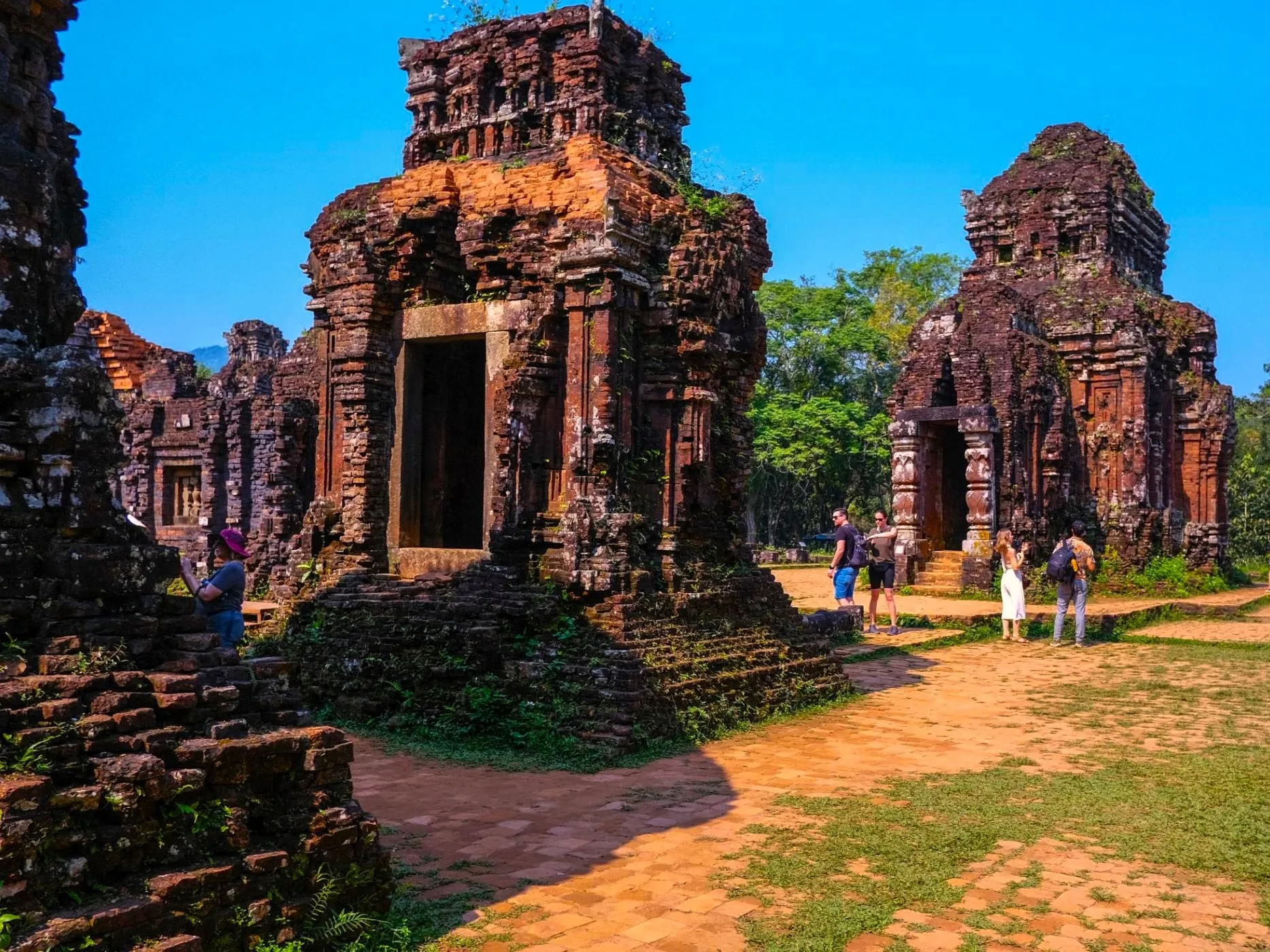
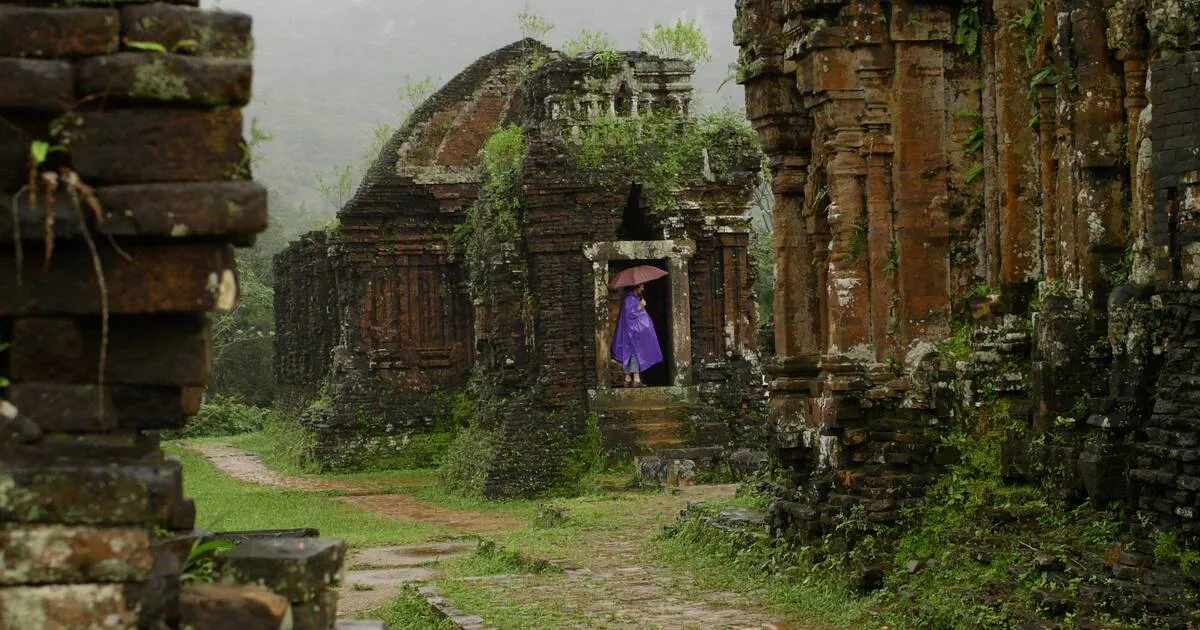
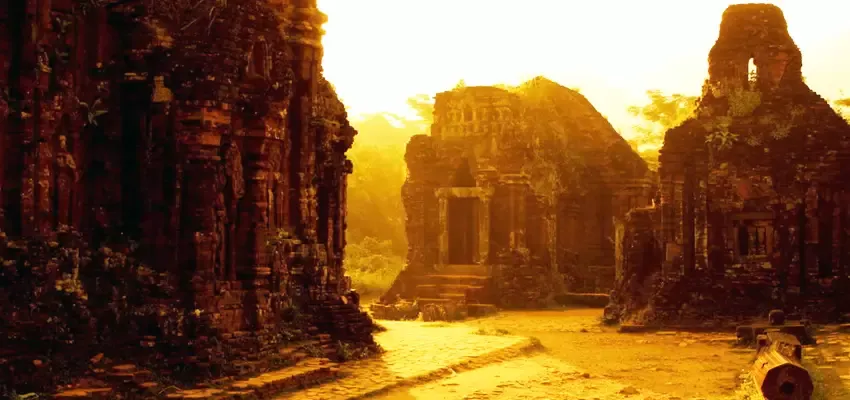
Why it’s special: The ruins of the Champa Kingdom (4th‑13th centuries) comprise temple towers, shrines, and burial sites. Listed in 1999 by UNESCO for its historical and architectural value.
What to see & do:
How to visit:
Best time: Early morning; dry season (Feb–Apr) is ideal for clear skies.
Tip: Bring water and sun‑protection because the site has limited shade. Hiring a guide enhances your understanding of Champa art and history.
Extra: Combine My Son with a cycling or walking tour through local villages.
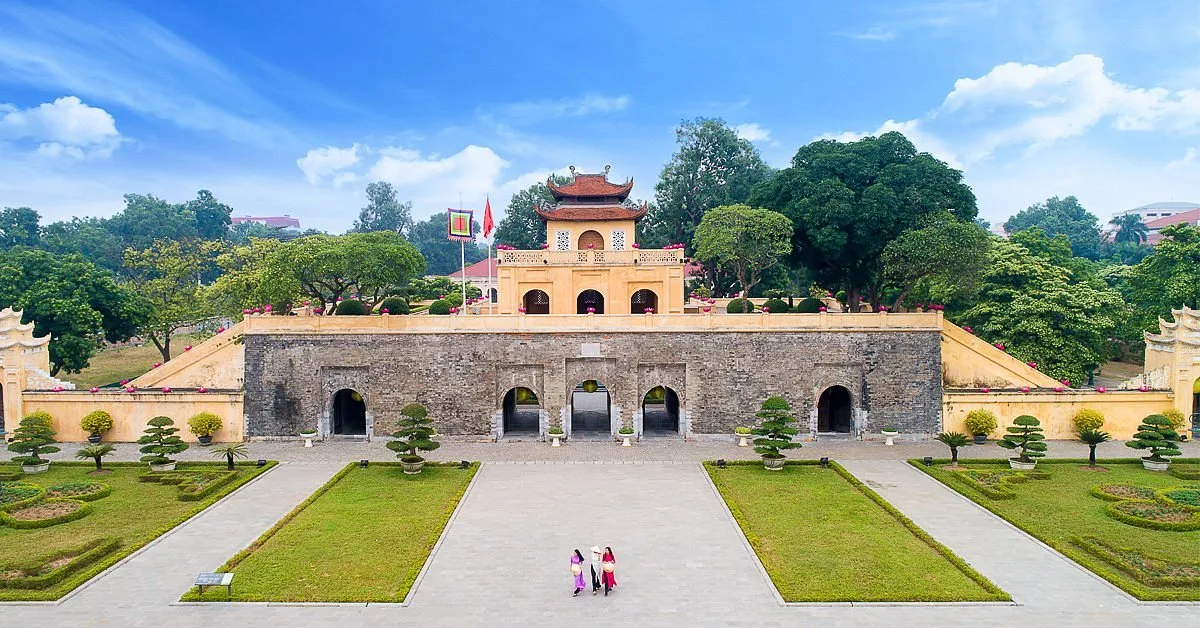
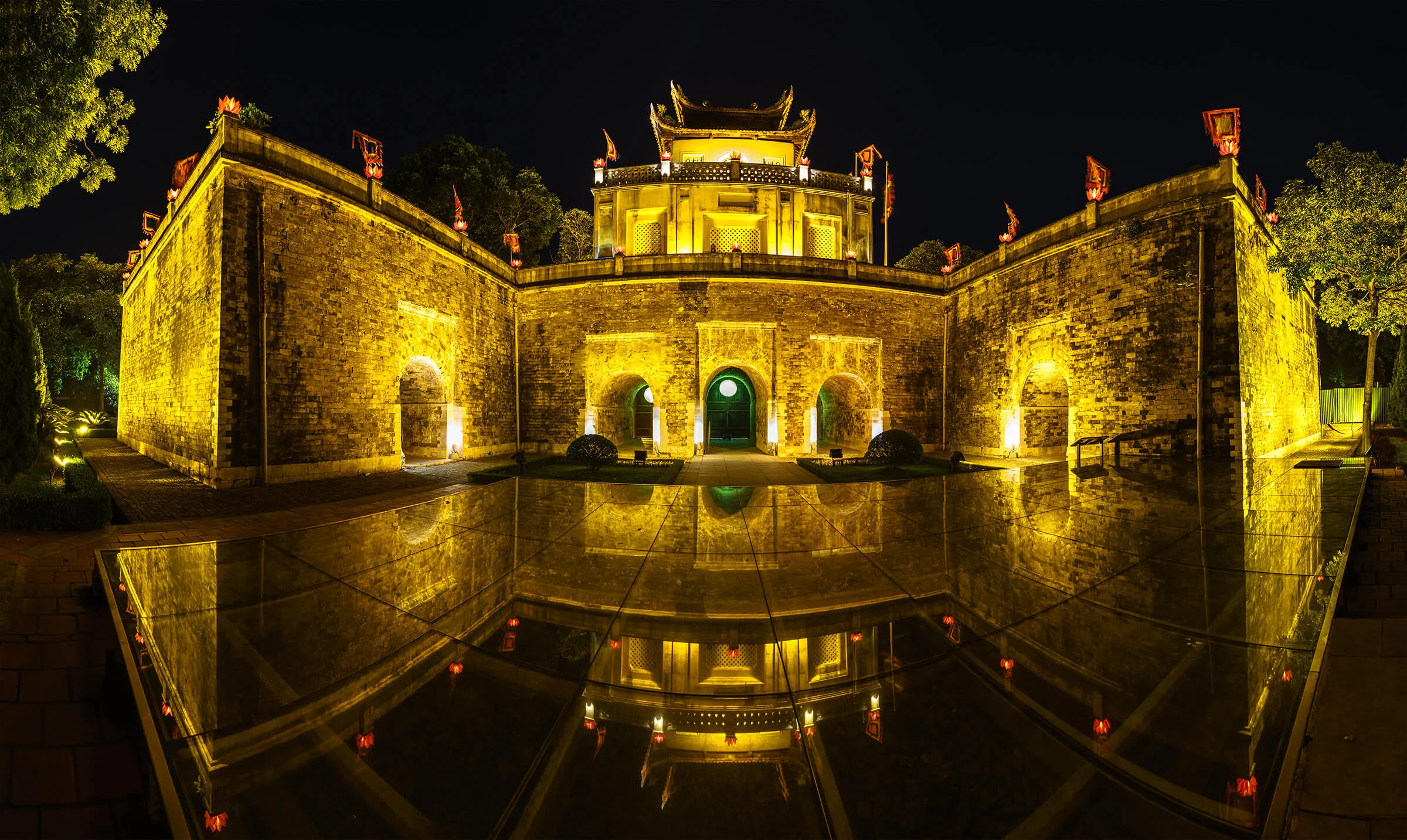
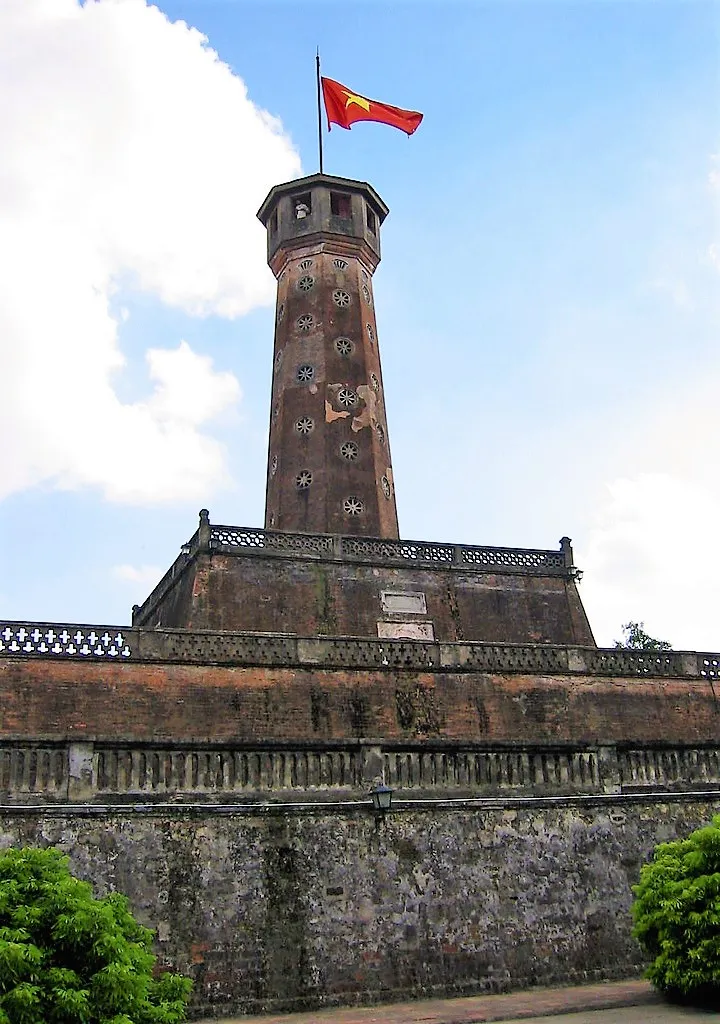
Why it’s special: Located in Hanoi Capital, this ancient citadel complex stands for over a thousand years of continuous Vietnamese dynastic history.
What to see & do:
How to visit:
Best time: Morning (before midday heat) or late afternoon. Avoid national holidays when crowds swell.
Tip: Pair with a city food‑walk or street‑food tour on the same day.
Extra: Free‑entry hours often available on certain days — check ahead locally.
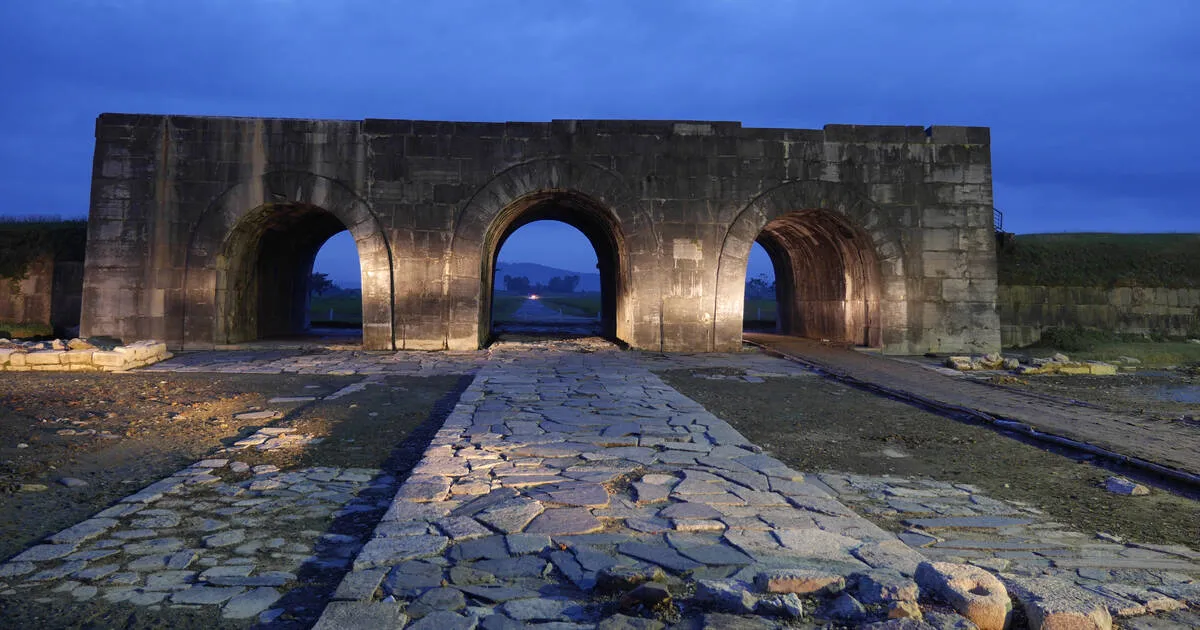
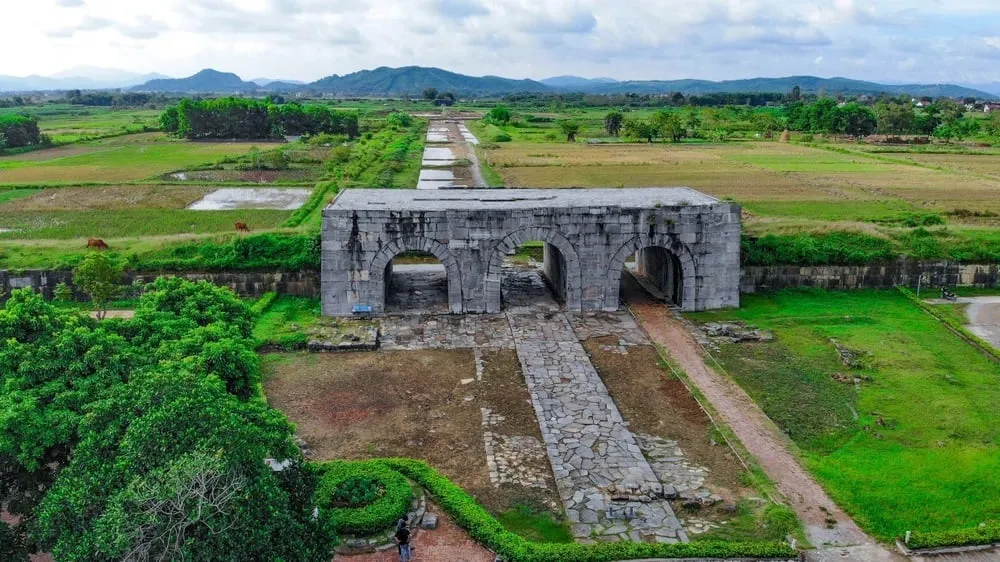
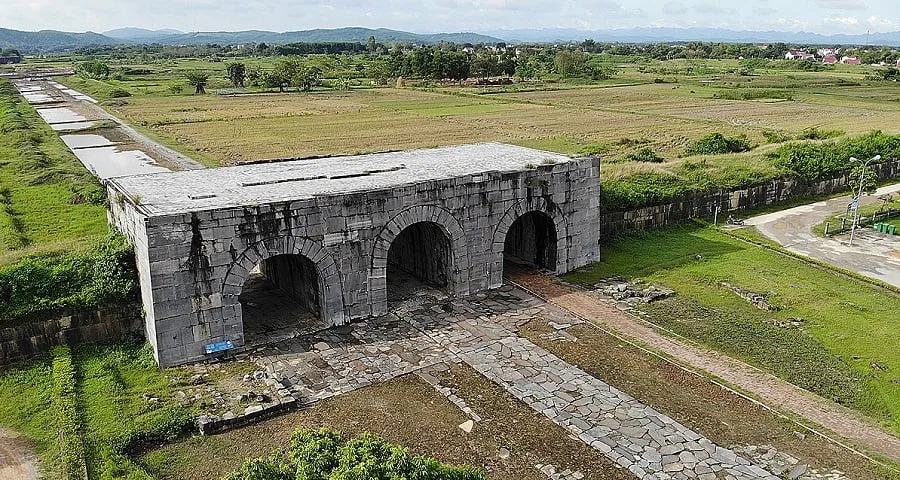
Why it’s special: Built in the 15th century for the Ho Dynasty, it is a remarkable example of late medieval Vietnamese architecture and construction, especially its stone‑built fortress walls. For travelers who enjoy off-the-beaten-path Vietnam World Heritage experiences, this site is a hidden gem.
What to see & do:
How to visit:
Best time: Dry season (Feb‑May) for best conditions; local transport may be less frequent, so plan ahead.
Tip: Stay in a local guesthouse to experience countryside life. Bring good shoes — some paths are uneven.
Extra: Combine with the coastal route of Thanh Hoa (beaches) or Mai Chau/Bac Ha region for a broader experience.
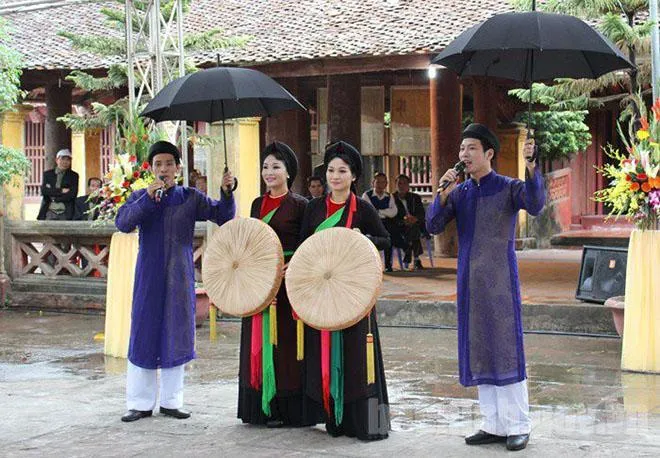


Vietnam’s intangible cultural heritage encompasses singing traditions, musical instruments, festivals and craftsmanship that still live today. While not always inscribed in the same way as physical sites, these traditions bring richness and depth to travel experiences.
Pack smart:
Respect & sustainability:
Vietnam World Heritage is not just a travel add-on: it is central to the experience. Whether you are standing amid the lime‑karst islands of Ha Long Bay, walking the halls of the Hue royal citadel, or hearing a gong‑ensemble echo across a village in the Highlands, you are engaging with layers of meaning for your holidays of a lifetime!
Exploring Vietnam World Heritage is incredibly rewarding, but planning routes, timing, transport, and local experiences can be complex. That’s where AVT Travel comes in. If you are interested in discovering the best of Vietnam world wonder, check out our Land of Heritages tour and Vietnam World Heritage tour!
With AVT Travel, you can:
Design seamless itineraries covering multiple Vietnam World Heritage sites
Travel at the right pace, without stress
Access knowledgeable local guides
Combine heritage, culture, nature, and relaxation
Extend your journey beyond heritage sites to other iconic destinations in Vietnam
If you’re ready to explore not just Vietnam, but its legacy, Vietnam World Heritage is where your journey should begin!

Travel, Exploring, and Stays Operated by our local Expert Teams.