 Agent Signup




Best Seller
The Grand Vietnam Family Odyssey
19 Days | AVT28



Article Content
Let's be honest, rain isn't usually the first thing that comes to mind when you imagine a tropical getaway. Many travelers hesitate when they think of the Vietnam rainy season.
But here's the thing about Vietnam's rainy season: it's not what most travelers expect. It's not a constant, dreary downpour. It's a rhythm. A daily reset. And for those who embrace it, it can be one of the most memorable times to explore this incredible country.
After years of guiding travelers across Vietnam, I've seen people fall in love with the country during the "off" season just as often as during the dry months. Sometimes more.
So let's talk about what the rainy season really looks like in Vietnam, and why it might just be the best time to visit.
Stretching over 1,600 kilometers (1,000 miles) from north to south, Vietnam has a remarkably diverse climate. This means there isn't one single rainy season for the entire country.
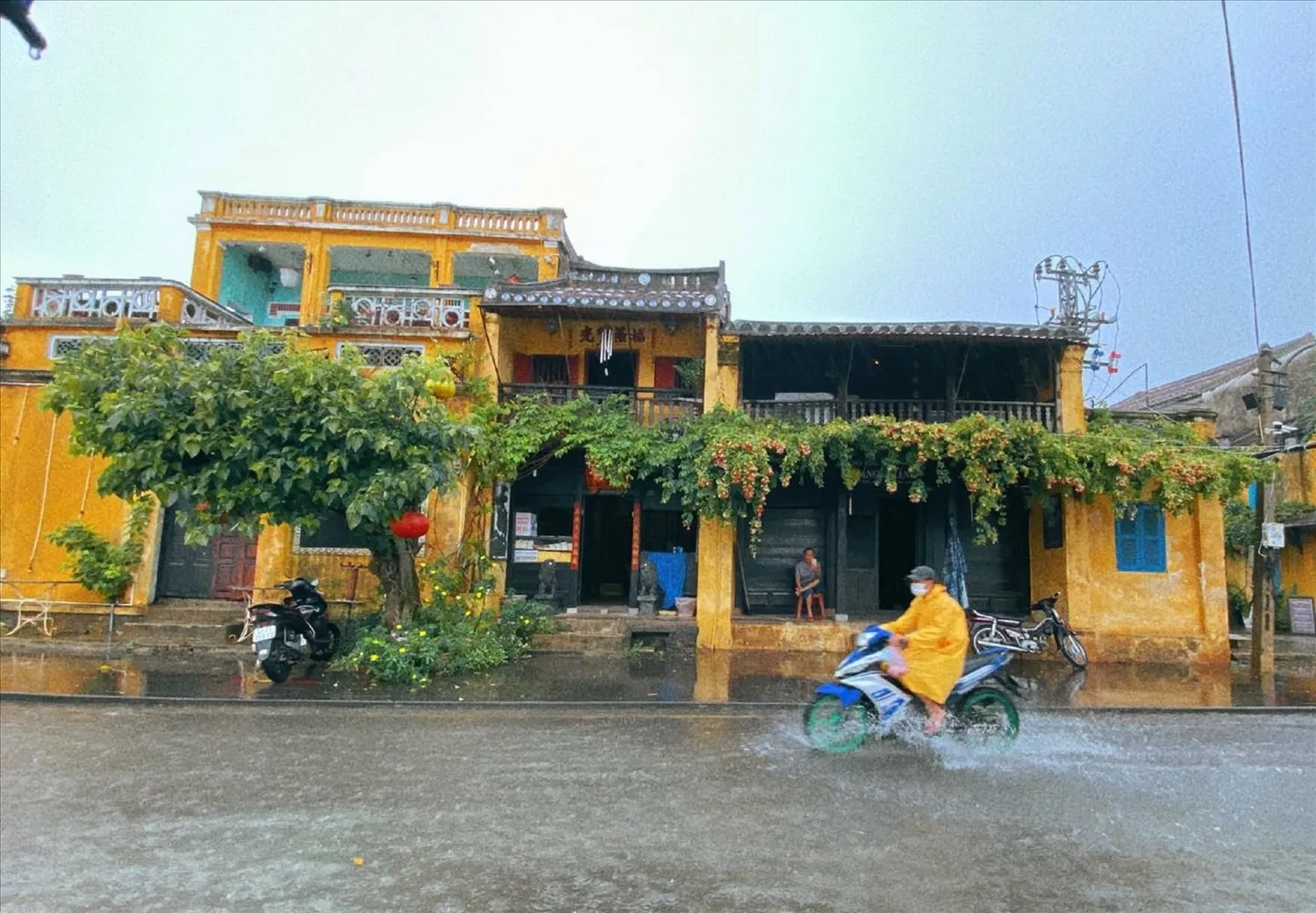
While one region may be experiencing frequent showers, another could be enjoying sunny skies. Understanding these regional differences is the key to planning a successful trip.
Unlike tropical storms that last for days, rain in Vietnam often comes in short, heavy bursts, typically during the afternoon or evening, before clearing up quickly. Many days still offer plenty of sunshine for sightseeing and outdoor activities.
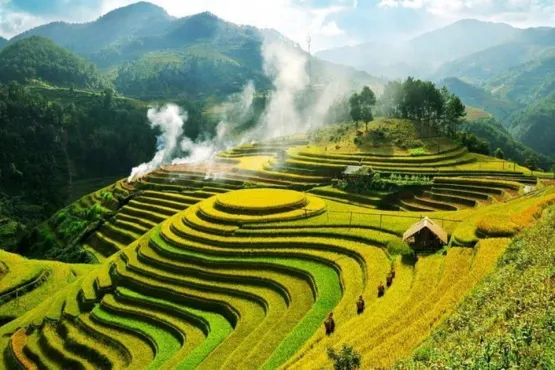
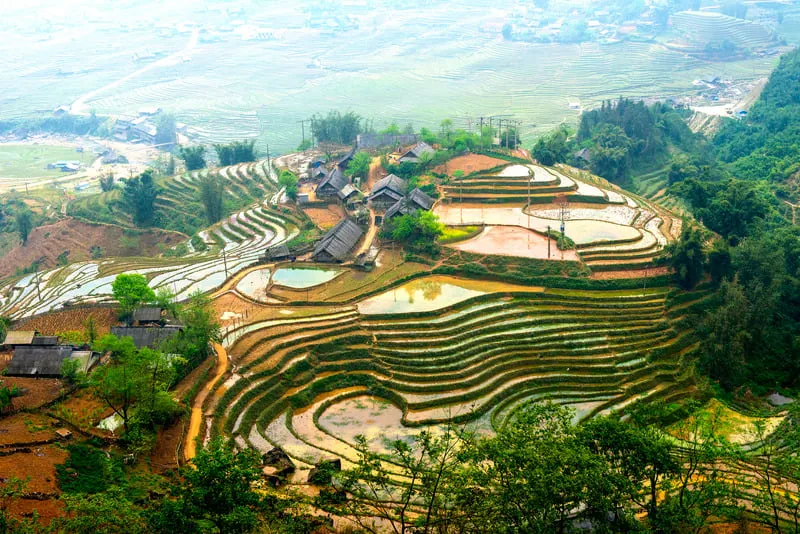
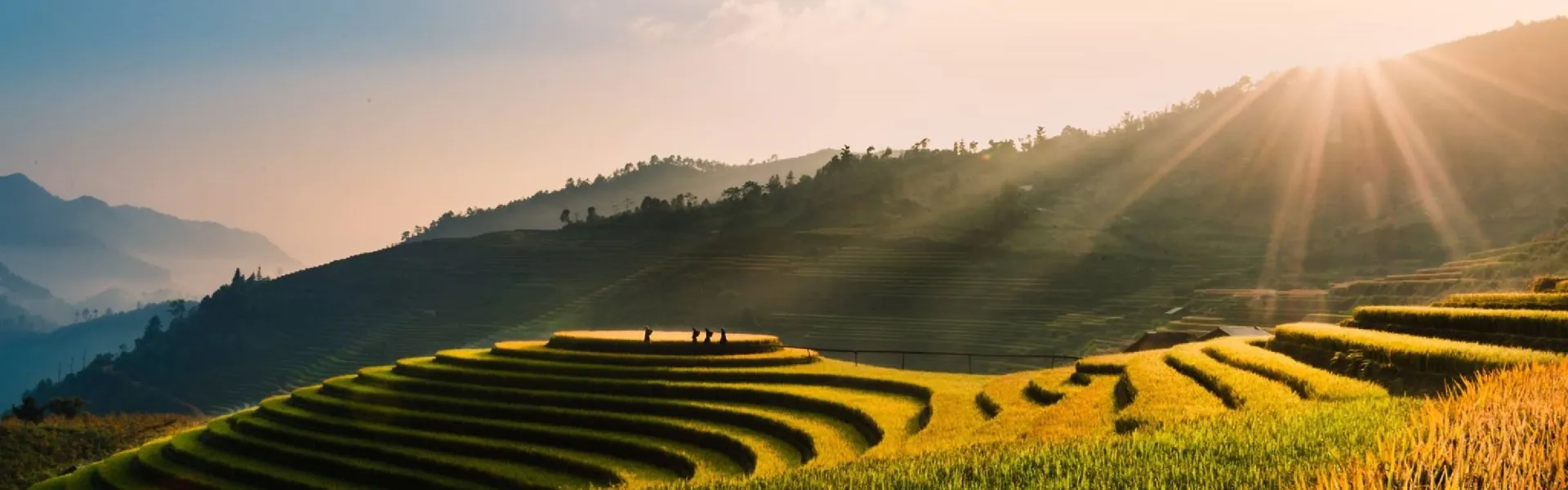
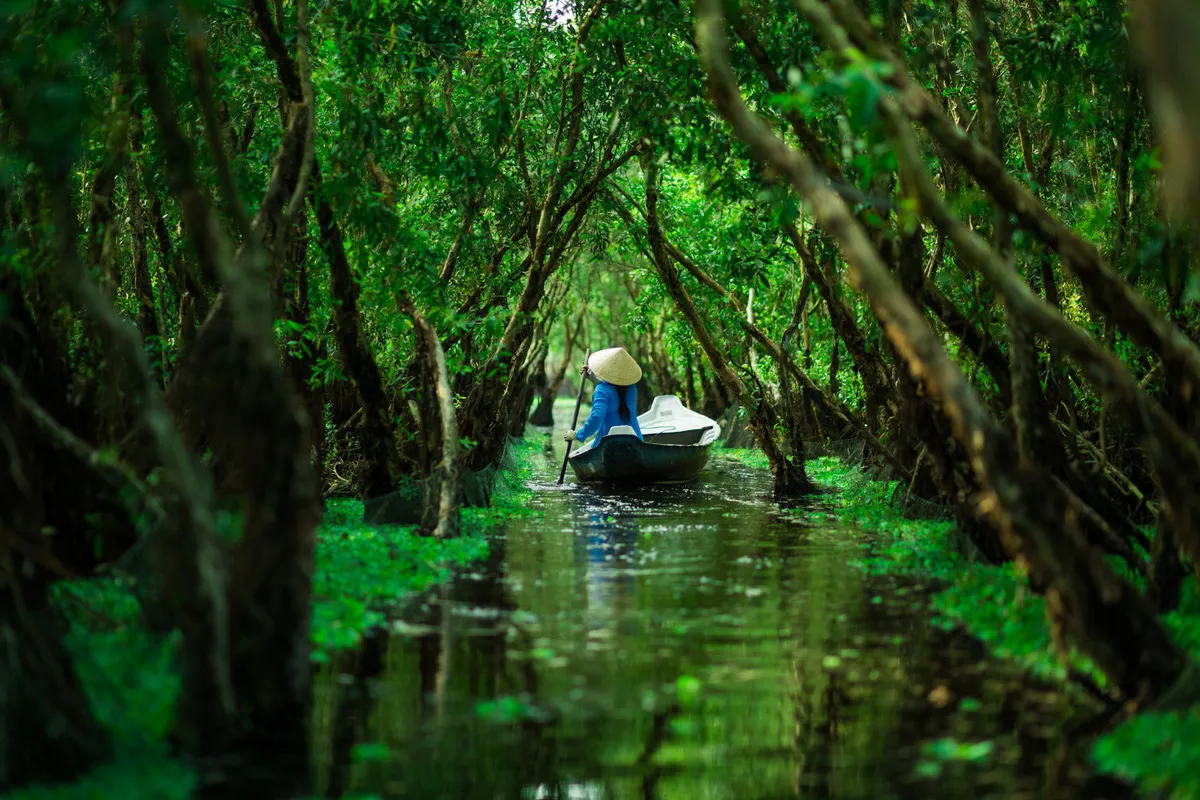
The rain also transforms the country's landscapes. Rice terraces become vibrant green, waterfalls flow to their fullest, and forests appear fresh and alive.
You can check when Vietnam rainy season is through this timeline:
Northern Vietnam (Hanoi, Sapa, Ha Giang, Halong Bay): The rainy season runs roughly from May to September, with July and August being the wettest months.
Central Vietnam (Hue, Hoi An, Da Nang): The rainy season starts later, typically from September to December, with the heaviest rain and highest typhoon risk in October and November.
Southern Vietnam (Ho Chi Minh City, Mekong Delta, Phu Quoc): The rainy season lasts from May to November, with the most intense rainfall typically occurring in the afternoon.
Because the seasons vary so much by region, you can often travel to Vietnam during its "rainy season" and still find sunny days, you just need to choose your destinations wisely.
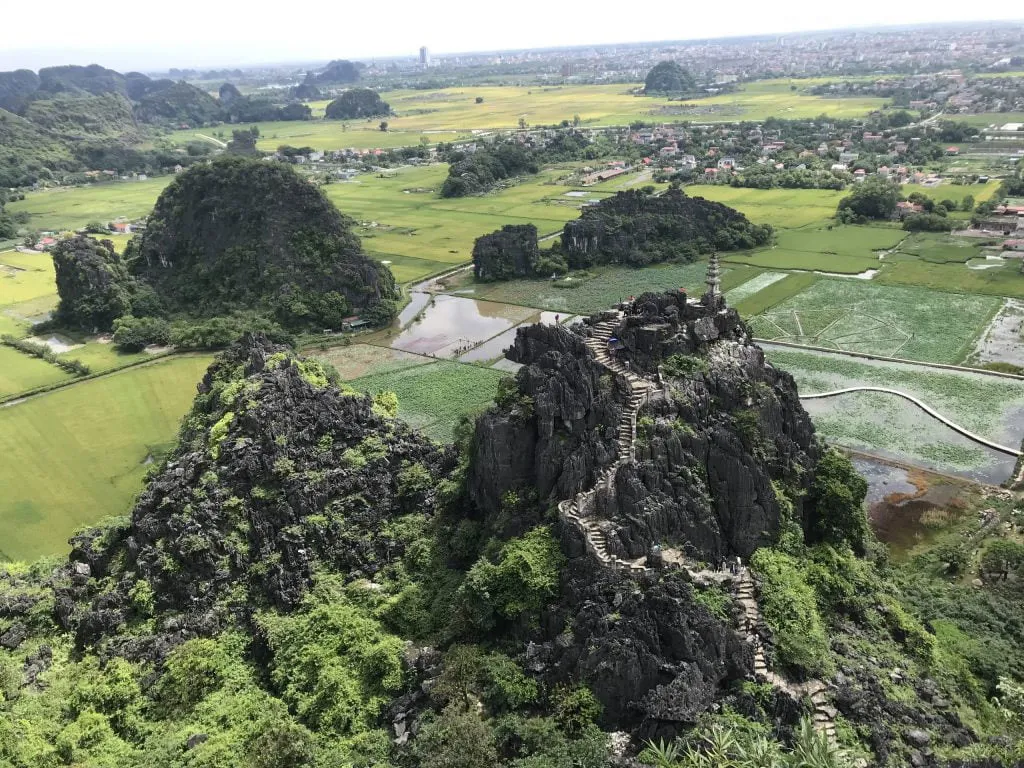
When it rains in the north, it tends to come in short, heavy bursts. Temperatures hover around 28–30°C, with humidity levels that make everything feel a little tropical.
The rain is often intense but brief, the kind that clears up quickly, leaving the air fresh and the landscapes impossibly green.
What to expect: Expect 25–30 rainy days per month at the peak, but the rain typically falls in concentrated 1–3 hour bursts, often late in the afternoon. Mornings are often sunny and clear.
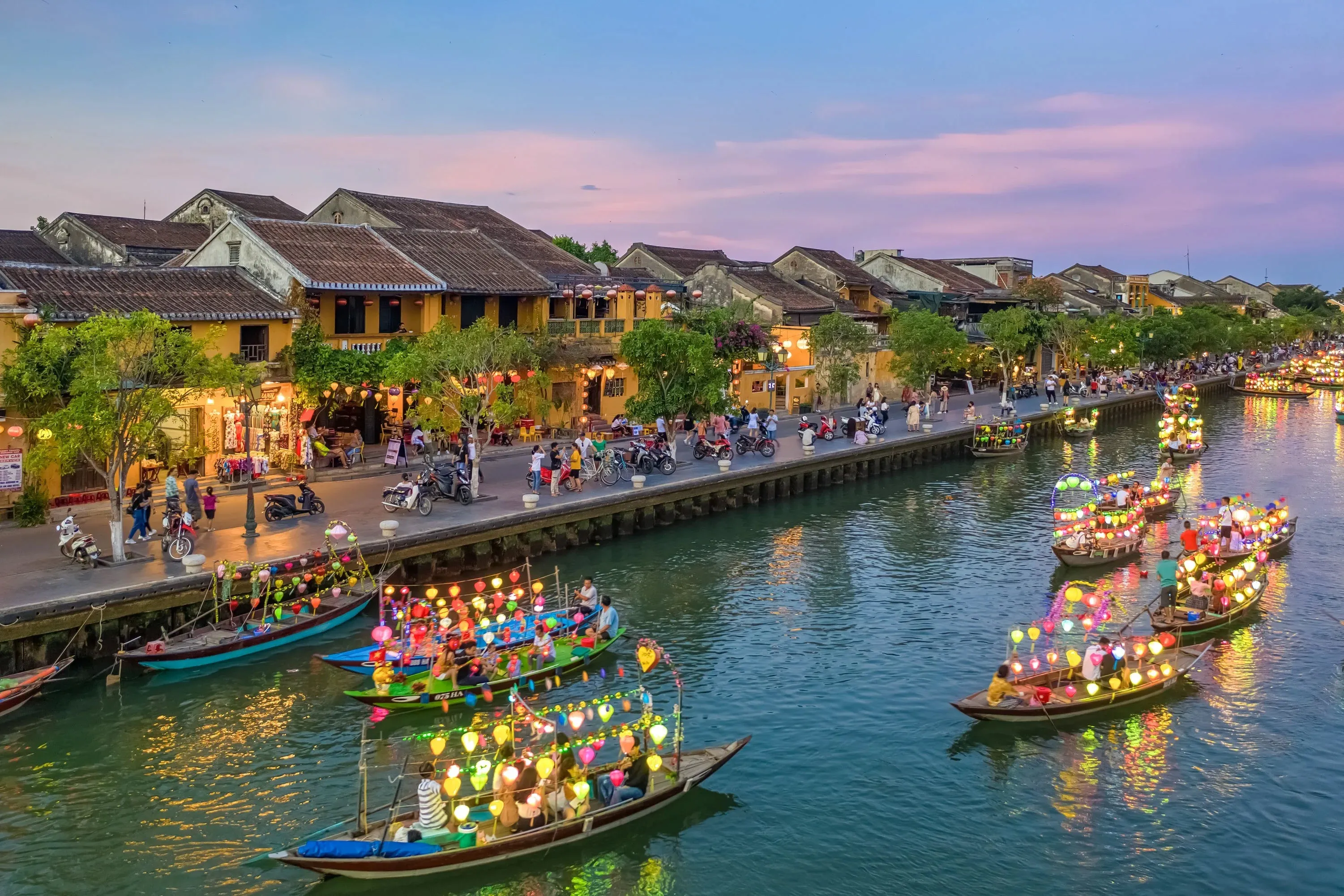
Central Vietnam's rainy season is a different beast. When the rains come here, they can be relentless. September to December brings not just rain but the risk of typhoons and flooding, particularly in Hoi An.
What to expect: The weather can be unpredictable. You might have beautiful sunny mornings followed by dramatic afternoon storms.
During October and November, it's not uncommon to experience several days of continuous rain.
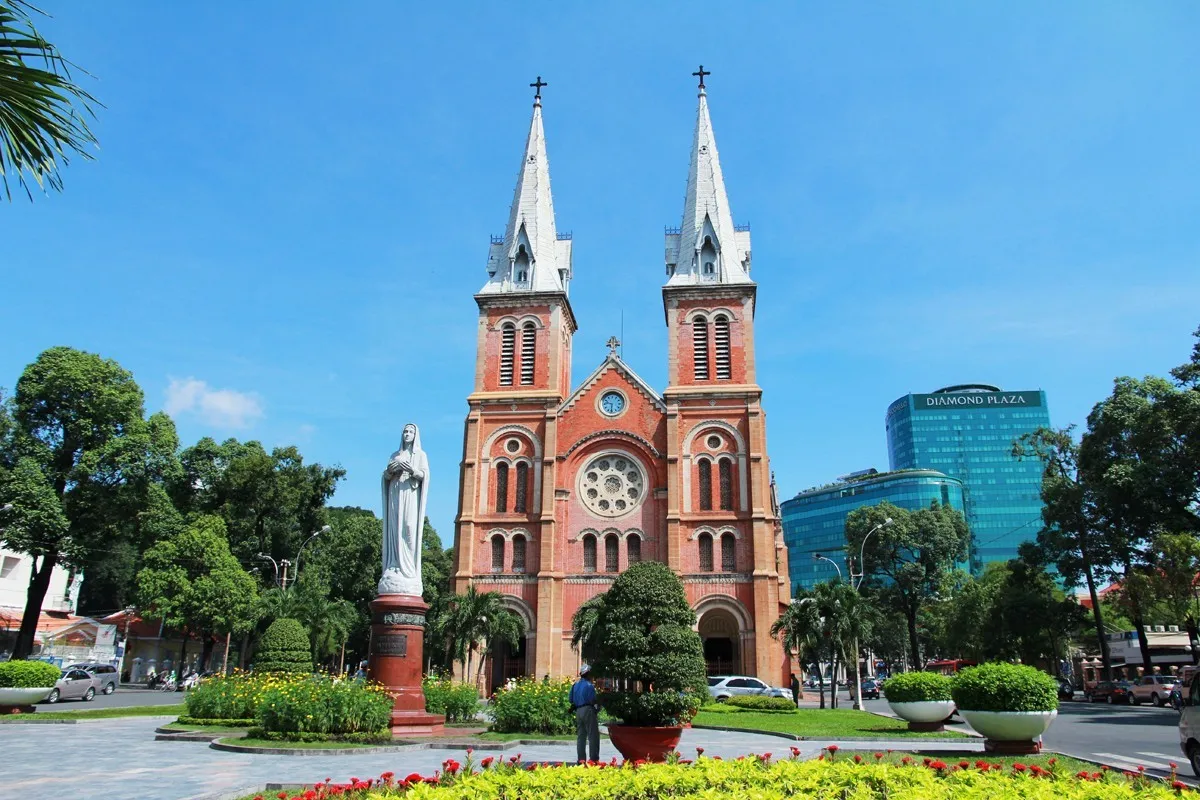
The south experiences a classic tropical monsoon. The mornings are usually sunny, then the clouds build throughout the afternoon before unleashing a powerful storm around 3 or 4 PM. An hour later, the sun is often back out.
What to expect: Predictable afternoon showers that last 1–3 hours, followed by clear skies. Temperatures stay warm year-round, hovering around 28–34°C.
Fewer Crowds
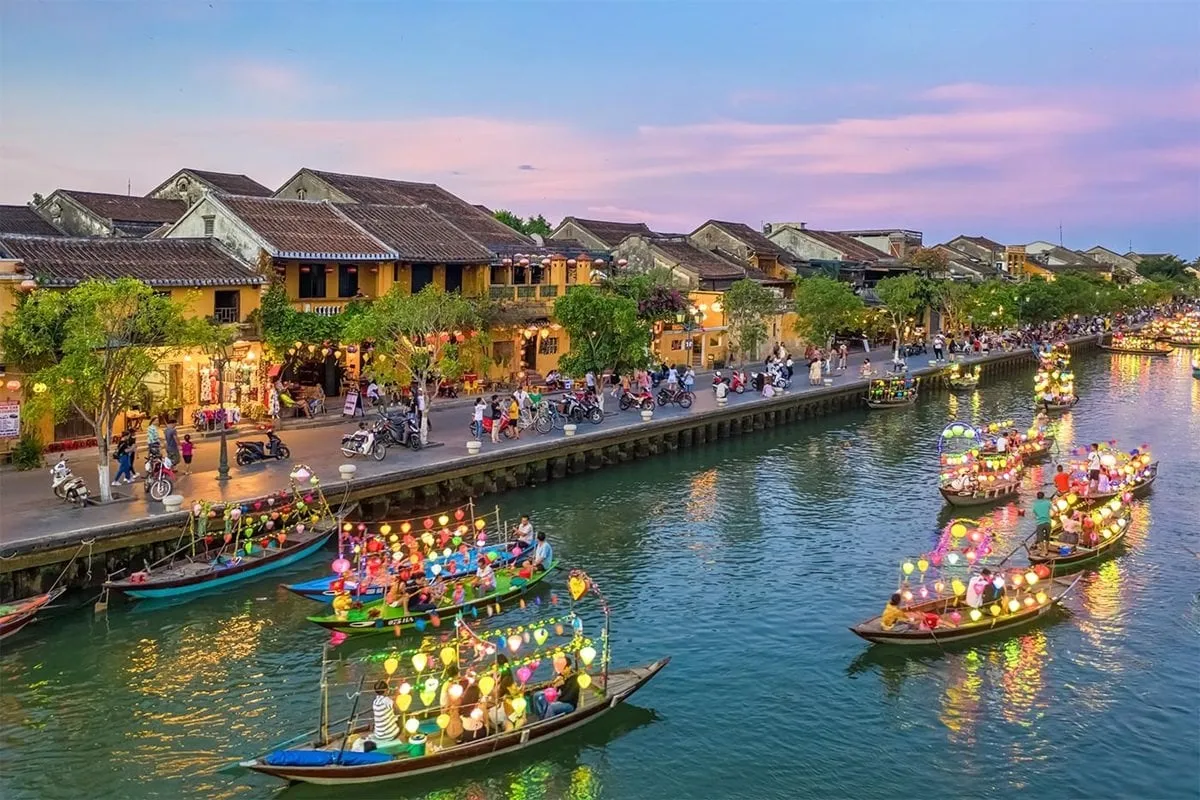
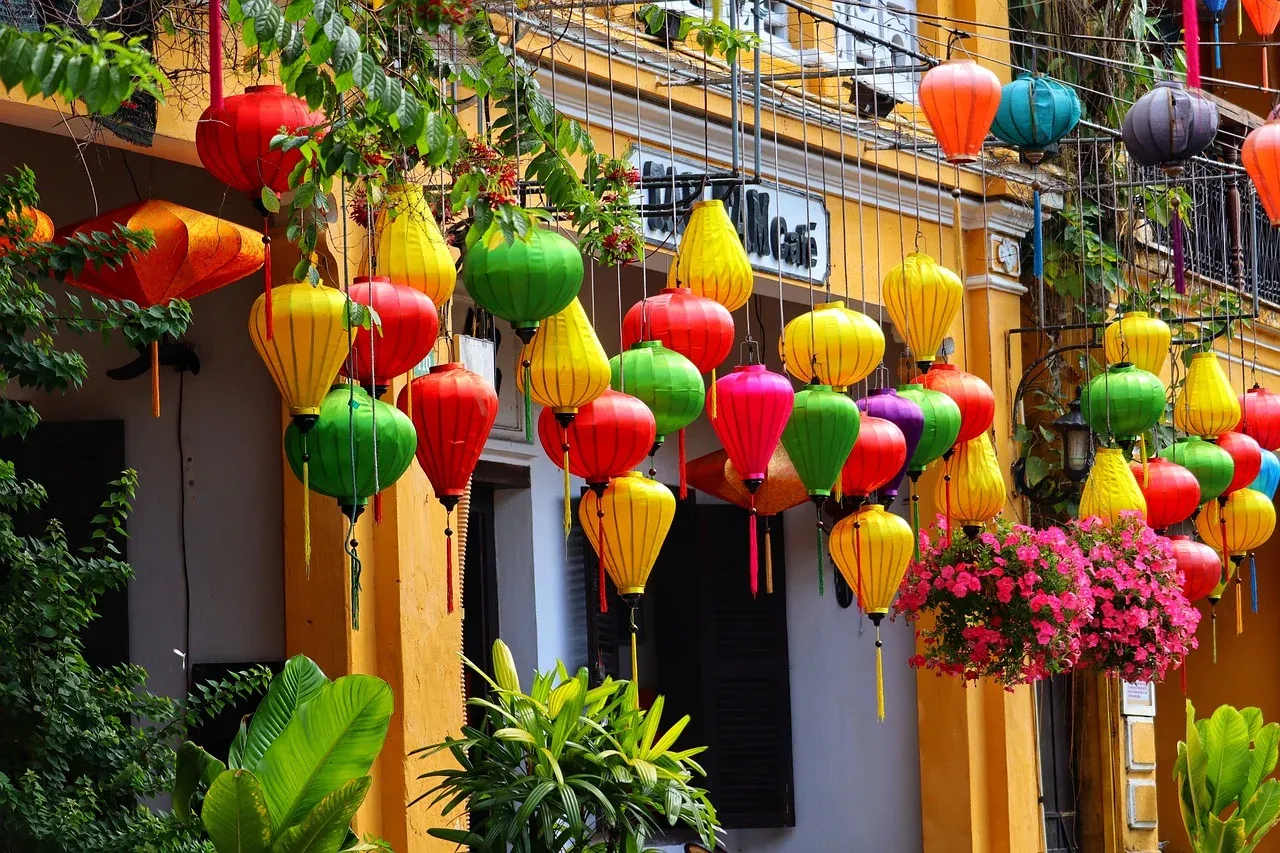
This is the biggest advantage. Tourist hotspots are significantly less crowded during the rainy season. You can explore markets, temples, and popular sites without the long lines and shoulder-to-shoulder shuffling that defines the high season. Want Hoi An's lantern-lit streets to yourself? Come in October.
Lower Prices
Flights, hotels, and tours are cheaper during the Vietnam rainy season. You can often find deals on accommodation that are 30–50% less than peak season rates. For budget travelers, this is a game-changer.
Lush, Vibrant Landscapes
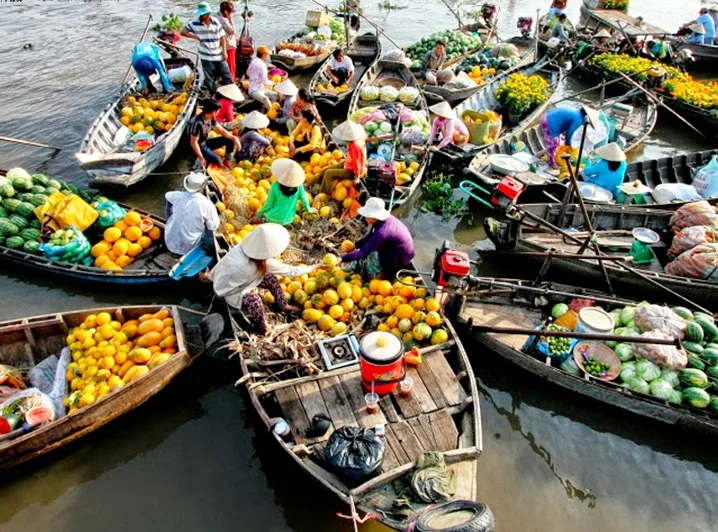
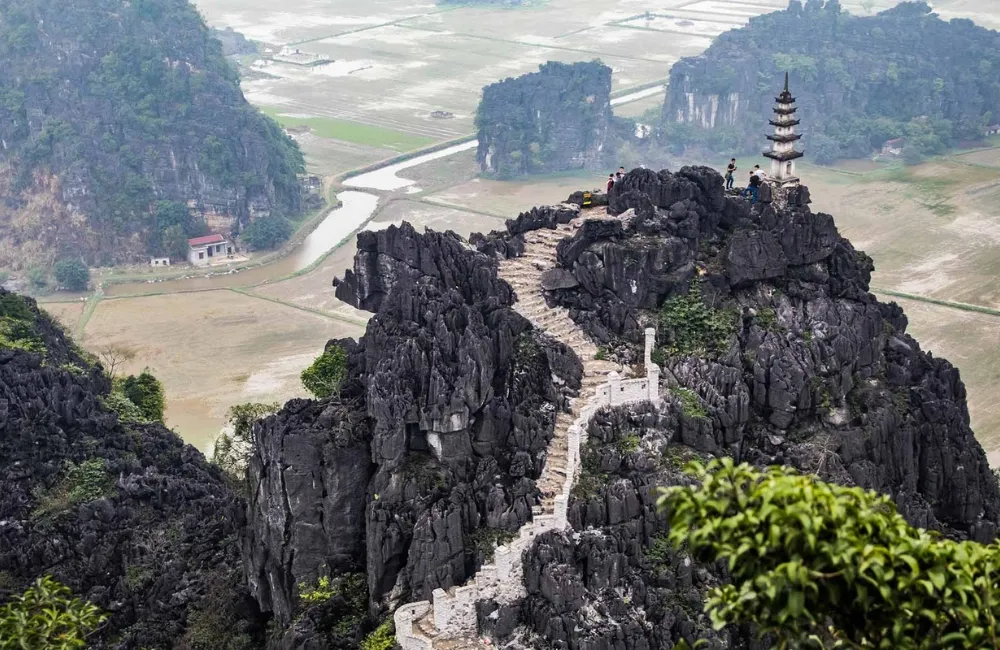
Rain transforms Vietnam. The rice terraces in Sapa become impossibly green. Waterfalls like Ban Gioc swell to their full glory. The Mekong Delta's floating markets come alive with the high water season. In Vietnam rainy season, everything looks more vibrant, more alive.
A More Authentic Experience
When tourists thin out, you get to see a different side of Vietnam. Local life doesn't stop because of rain. Markets still bustle, families still gather, and you'll find yourself sharing experiences with locals rather than other travelers.
Cooler Temperatures
The rain brings relief from the intense heat of the dry season. While it's still warm, the rain cools things down, making outdoor exploration more comfortable than it can be in April or May when temperatures can soar.
Travel Disruptions
Heavy rain can cause flooding, especially in central Vietnam's low-lying areas like Hoi An. Flooding can disrupt transportation and make some attractions inaccessible. Road conditions can become hazardous, particularly in mountainous regions.
Typhoon Risk
The biggest concern during the rainy season is typhoons, particularly in central Vietnam from September to November. These can cause serious disruptions to travel plans. The highest typhoon and flood risk occur during Vietnam rainy season.
Limited Outdoor Activities

If your trip revolves around trekking, mountain biking, or other outdoor adventures, the rainy season can be challenging. Some tours may be canceled due to safety concerns, and trails can become muddy and dangerous.
Humidity
The combination of heat and rain creates high humidity levels that some travelers find uncomfortable during Vietnam rainy season. It's not unbearable, but it's something to be aware of, especially if you're sensitive to humidity.
Pack Smart
This can't be overstated. Your packing list for Vietnam rainy season needs to be strategic:
Raincoat or waterproof jacket: Essential. Leave the umbrella at home – they don't fare well in tropical downpours.
Quick-dry clothing: Cotton takes forever to dry in humidity. Opt for synthetic or quick-dry fabrics.
Waterproof bags: Protect your phone, camera, and other electronics.
Sturdy footwear: Sneakers with good grip are essential. Flip-flops are fine for the beach but dangerous on wet, slippery streets.
Extra dry clothes: Particularly important if you're traveling in the highlands where temperatures can drop after rain.
Stay Flexible
Build flexibility into your itinerary. If it's raining in one region, consider moving to another where the weather is better.
Book Refundable Accommodation
This is especially important in central Vietnam during flood season. If you're visiting Hoi An or Hue in October or November, consider booking hotels with flexible cancellation policies.
Monitor the Weather
Check weather forecasts regularly, particularly for typhoon warnings. Stay in touch with local authorities and your tour operator for up-to-date information and advice.
Travel Early in the Day
Rain in Vietnam typically arrives in the afternoon or evening. Plan your outdoor activities for the morning, and keep afternoons flexible.
Consider Travel Insurance
This is always recommended, but especially during the Vietnam rainy season. Good travel insurance can protect you against flight cancellations, trip interruptions, and other weather-related disruptions.
>>> You can check out the useful tips to plan your trip to Vietnam from A to Z for more tips and tricks when travelling!
The Vietnam rainy season doesn't mean you're stuck indoors. It just means you need to be a little more creative with your itinerary.
>>>> Read More: Top Must-See Destinations in Vietnam
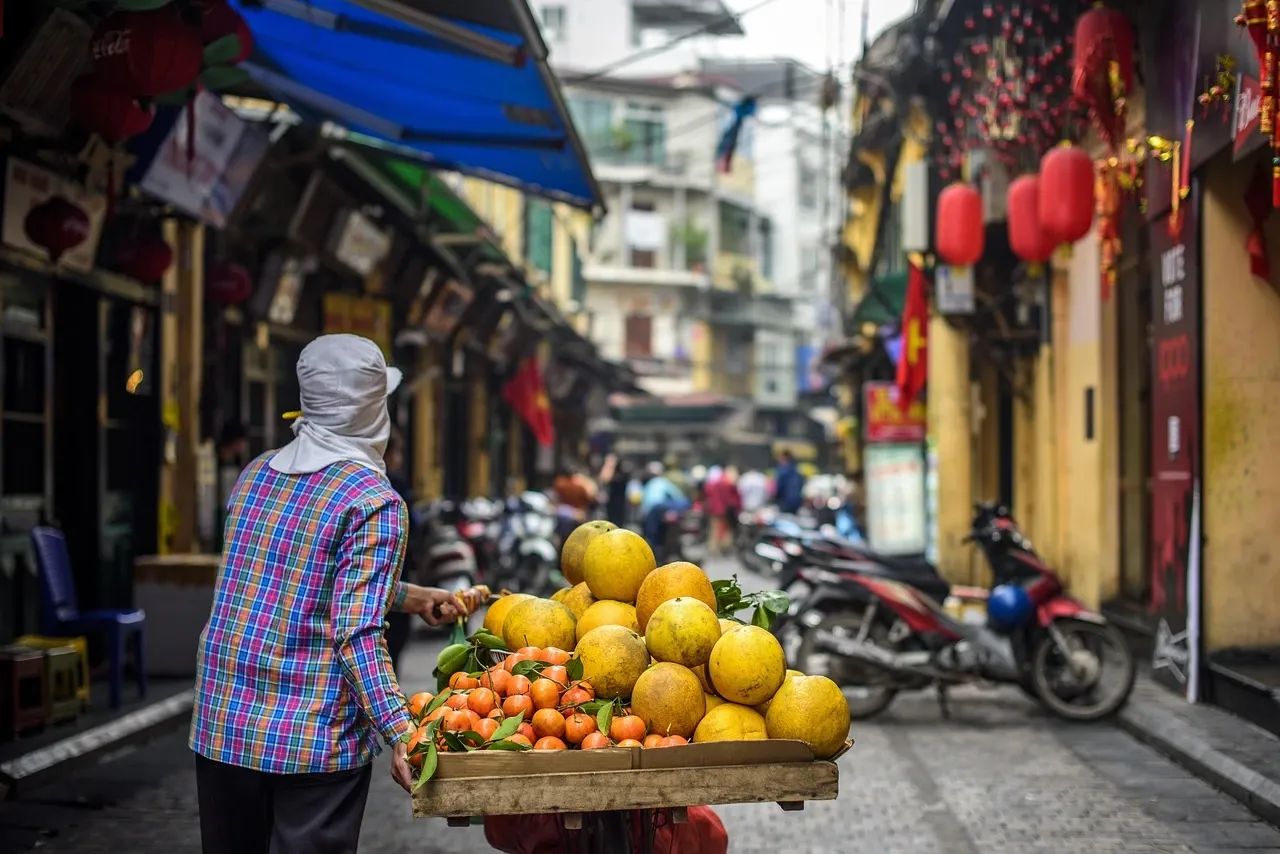
Vietnam's cities come alive in the rain. Hanoi's Old Quarter, with its narrow streets and covered alleyways, is perfect for exploring under shelter. Duck into cozy cafes for Vietnamese coffee, there's something magical about watching the rain fall through café windows.
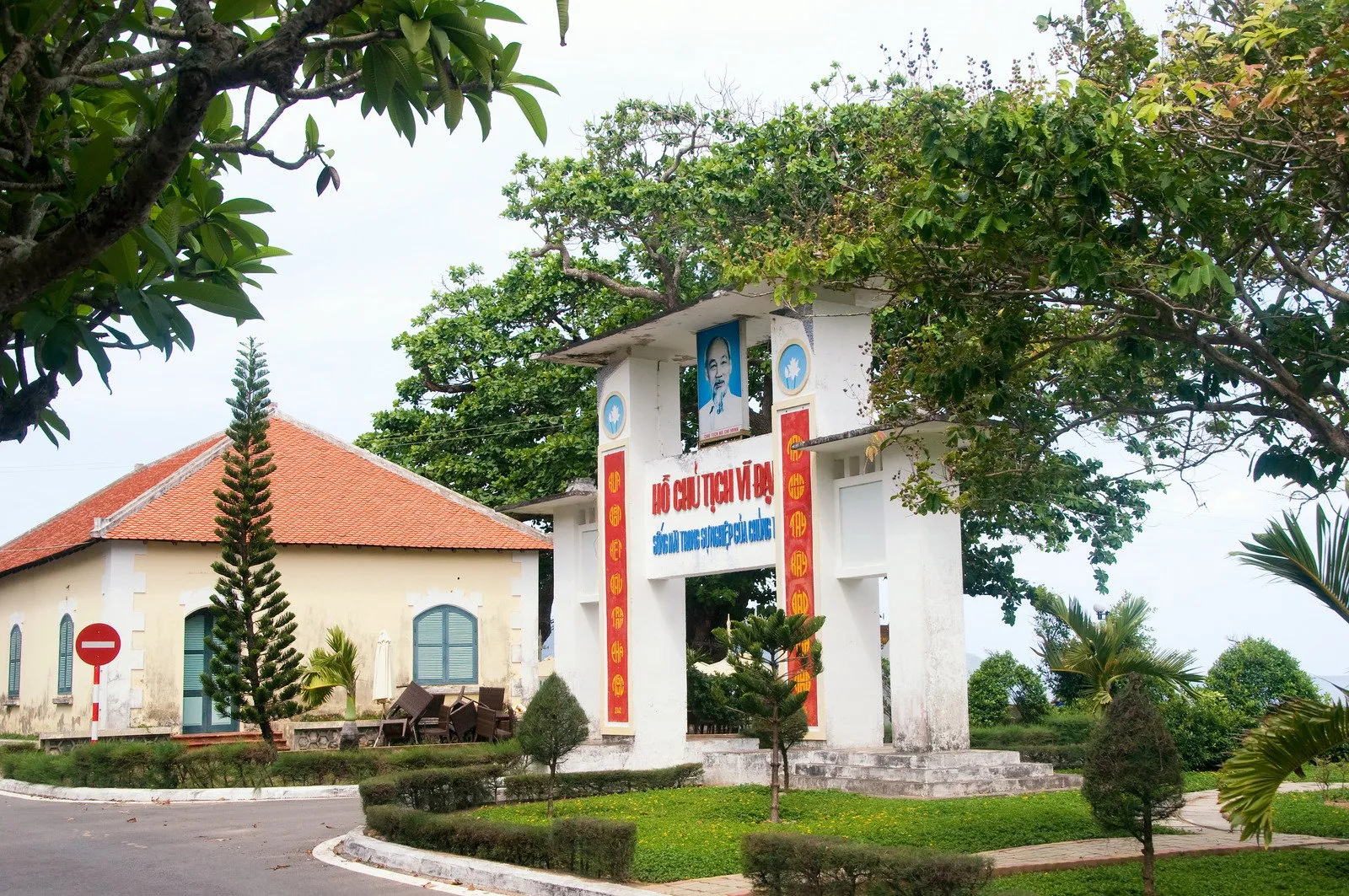
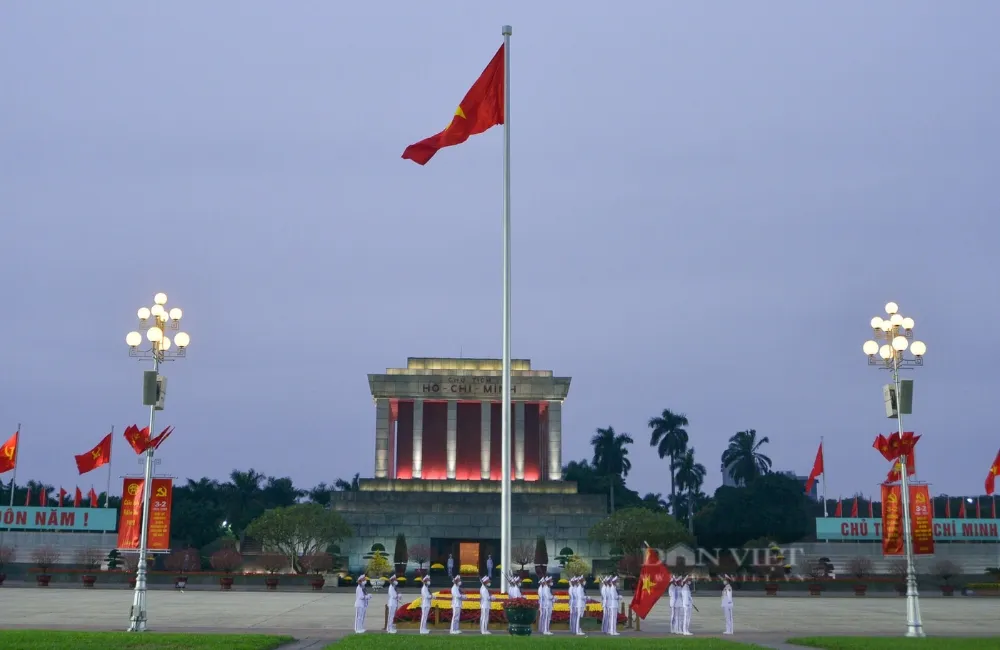
Hanoi: Visit the Museum of Ethnology, explore the Ho Chi Minh Museum, or wander through the historic streets of the Old Quarter. The water puppet shows are indoor affairs and make for perfect rainy-day entertainment.
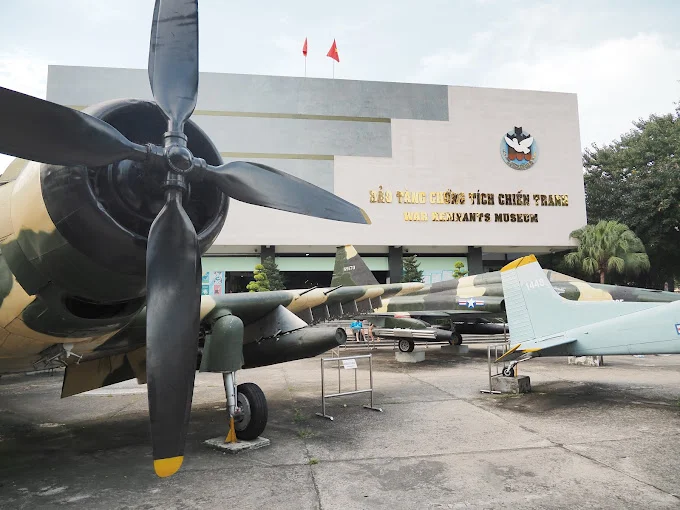
Ho Chi Minh City: The city's museums – the War Remnants Museum, the Reunification Palace – are all indoor experiences. And when the rain comes, the city's famous cafe culture offers the perfect refuge.

Rainy days are perfect for learning Vietnamese cuisine. Many cooking classes are held indoors and often include a market visit. That's actually more interesting in the rain because you will see fewer crowds, and get to see how life continues despite the weather.
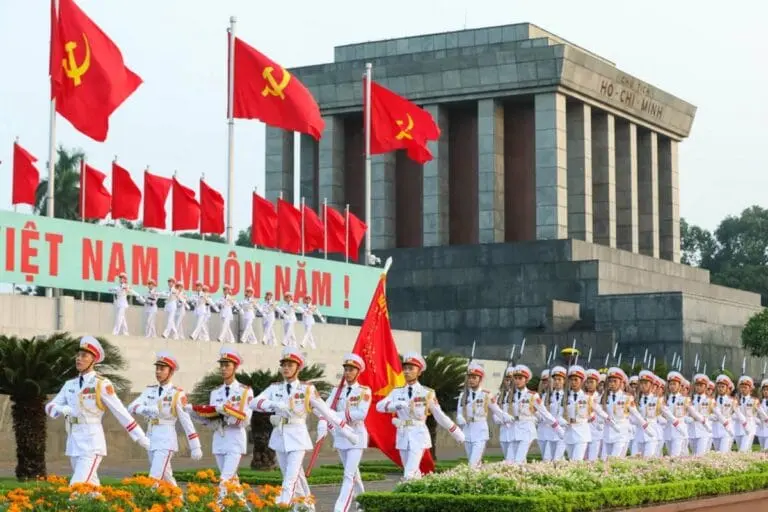
Vietnam has excellent museums that offer shelter from the rain. The Cham Museum in Da Nang, the Museum of Ethnology in Hanoi, and the War Remnants Museum in Ho Chi Minh City are all world-class indoor experiences.
>>> Check out our blog on the Top 5 thrilling Vietnam War Spots!
Even in the rain, Hoi An's markets are vibrant. The covered market is a sensory overload of sights, sounds, and smells, and it's all under one roof. Sample banh mi from the famous stalls, watch locals go about their daily routines, and soak in the atmosphere.
If it's raining in the lowlands, head up. Places like Da Lat and Sapa often experience different weather patterns and can offer relief from the rain while still providing stunning landscapes. The cool mountain air is refreshing, and the misty scenery has its own unique beauty.
If you're traveling from May to September: Head north. This is the rainy season in the north, but it's also when the rice terraces are at their most spectacular. Or head south to Phu Quoc, which has its own weather patterns and can be beautiful during this time.
If you're traveling from September to November: Focus on northern and southern Vietnam. The north's rainy season is winding down, and the south is still experiencing its tropical showers. Central Vietnam is at its wettest and riskiest during this period.
If you're traveling from December to February: The rainy season is largely over across most of Vietnam. This is the high season for a reason: the weather is generally dry and pleasant across the country.
I've guided hundreds of travelers through Vietnam over the years, and some of my fondest memories come from Vietnam rainy season trips. There's a reason for that.
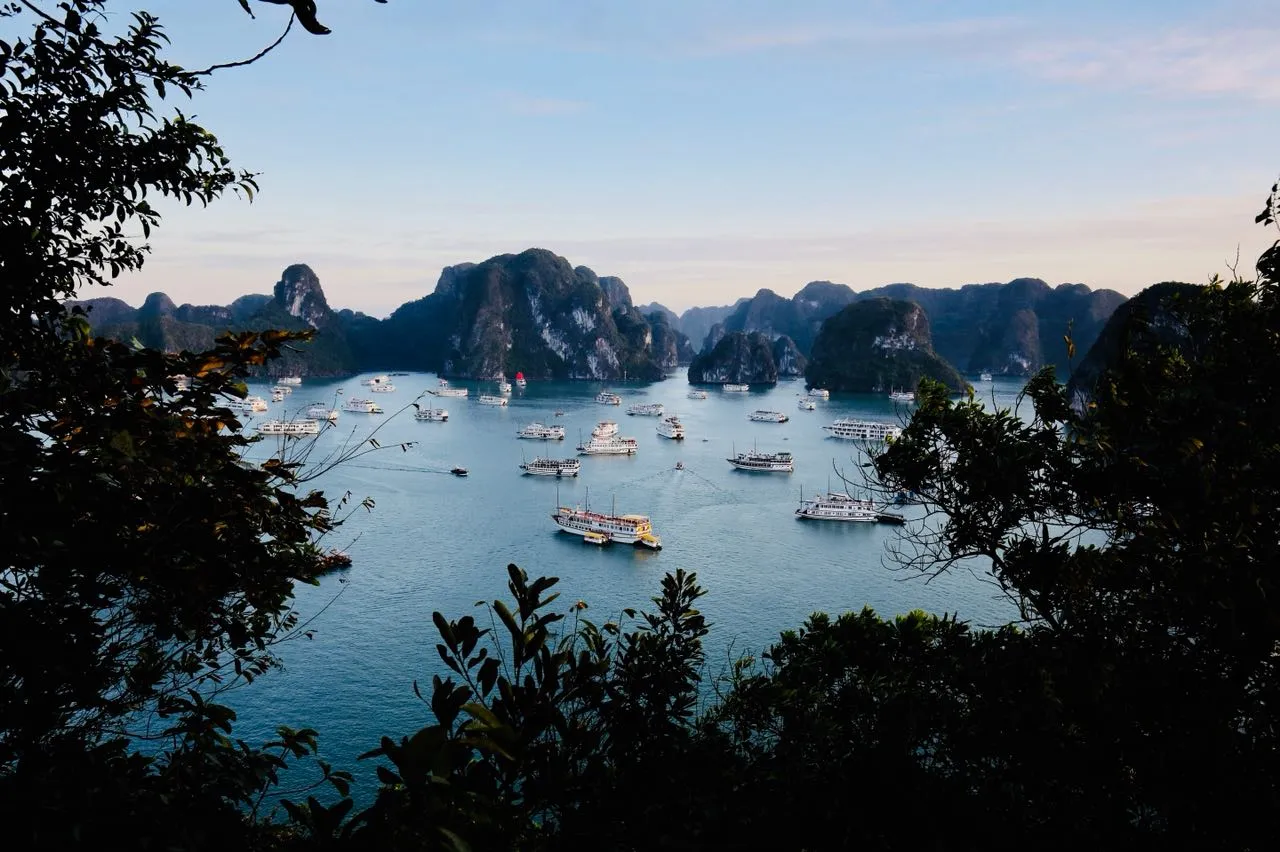
The Vietnam rainy season isn't a barrier to experiencing Vietnam's magic, it's a different doorway into it. If you're willing to be flexible, to embrace the unexpected, and to see a side of Vietnam that most tourists miss, you might just find that the rainy season offers the best travel experience of all.
Ready to experience Vietnam in the rain? Let AVT Travel help you plan a journey that embraces the season's unique beauty.
Choose from our carefully designed Vietnam tours, or let us create a 100% customized itinerary tailored to your schedule, budget, and travel preferences. We'll take care of everything, from accommodation and transportation to expert local guides and unique experiences, so you can simply relax and enjoy your holiday.
The rainy season varies by region. Northern Vietnam experiences rain from May to September. Central Vietnam from September to December. Southern Vietnam from May to November.
In northern and southern Vietnam, rain typically falls in intense 1–3 hour bursts, often in the afternoon. In central Vietnam during peak months, it can rain for several days continuously.
Yes, but exercise caution. Monitor weather warnings, avoid driving in heavy rain, and have flexible plans. Typhoons are possible in central Vietnam from September to November.
Pack a raincoat, quick-dry clothing, waterproof bags for electronics, sturdy shoes with good grip, and extra dry clothes.
Nha Trang has the most sunshine and shortest rainy season. Phu Quoc can be beautiful from June to September. Hanoi and Ho Chi Minh City offer excellent indoor activities and cafe culture.
Yes, but itineraries may change due to weather. Fewer tourists mean more peaceful experiences.
Yes, but be aware that Hoi An can flood during peak rainy months (October–November). Consider booking refundable accommodation and keeping an eye on weather forecasts.
Visit museums like the Museum of Ethnology in Hanoi, take cooking classes, explore covered markets, enjoy spa treatments, or duck into cozy cafes for Vietnamese coffee.

Travel, Exploring, and Stays Operated by our local Expert Teams.