 Agent Signup






Best Seller
The Grand Vietnam Family Odyssey
19 Days | AVT28



Article Content
While many travelers flock to the famous Sapa or Ninh Binh, those "in the know" are turning their compasses toward Da Bac Vietnam. It’s raw, it’s authentic, and it’s arguably the most soul-stirring getaway for anyone craving a "Great City Escape".
For many, the name "Da Bac" might sound unfamiliar. Nestled in the western highlands of Hoa Binh Province, which is only about 2 hours ride from Hanoi. While it is the largest district in the province by area, it remains one of the most untouched.
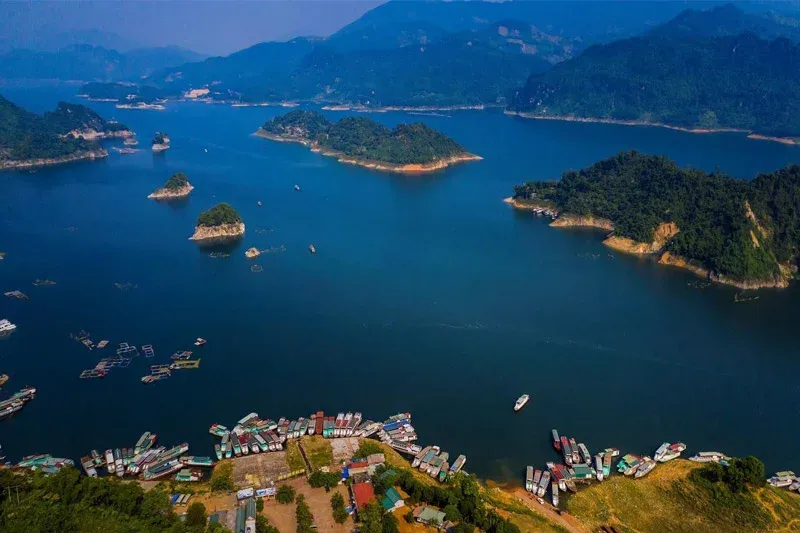
Imagine a place sitting at 560 meters above sea level, where peaks soar over 1,000 meters into the clouds. The geography here is a dramatic dance of hills, rivers, and narrow valleys. But the star of the show is the Da River.
Da Bac Vietnam
The river doesn’t just flow here; it creates a vast, shimmering reservoir that locals and visitors alike have dubbed the "Maldives of Vietnam". On a sunny day, the water reflects the mountains so perfectly you’ll lose track of where the earth ends and the sky begins.
What makes Da Bac truly special isn't just the scenery; it’s the people. Along the banks of the majestic Da River, communities of Dao, Tay, Muong, and Thai people have lived for centuries. Unlike many tourist traps, the villages here (like Sung, Ke, and Da Bia) have fought to keep their "original" soul. You won’t find high-rise hotels here; you’ll find stilt houses, handmade textiles, and genuine smiles.
Da Bac is currently at that "sweet spot" of tourism. It’s developing community-based tourism that empowers locals while protecting the environment. You aren’t just a tourist here but a guest in a living, breathing culture.
If you’re sweating in the 40°C heat of the city, Da Bac Vietnam is your sanctuary. The high altitude keeps the air fresh and cool. This is the best time for water activities.
Warning: This is also the rainy season. While the rain brings the waterfalls to life, always check the weather forecast before trekking to ensure the trails aren't too slippery.
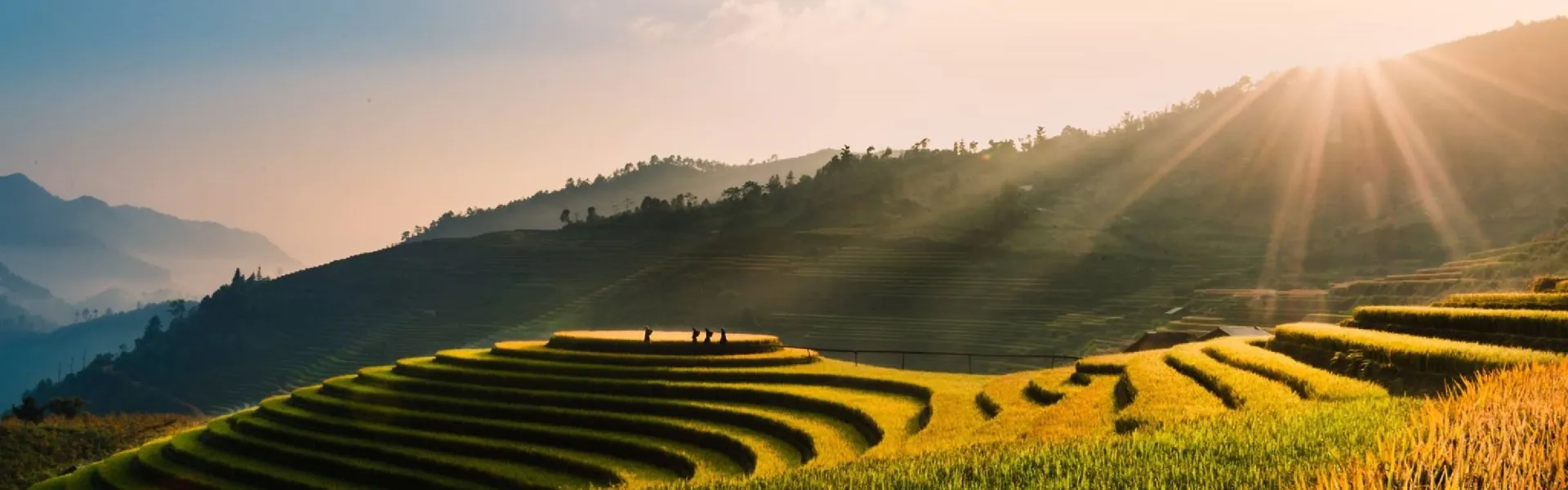
As the year winds down, Da Bac transforms. The air becomes crisp and dry. This is "Trekking Season". While the water might be too cold for a swim, the scenery is at its most poetic. In late autumn, the hillsides are painted gold by Wild Sunflowers.
Our Tip? If you visit during these months, pack your favorite warm sweater. The nights in the stilt houses can be wonderfully chilly, perfect for huddling around a fire.
Choosing where to stay in Da Bac is a "choose your own adventure" experience. Whether you want to live like a local or indulge in a bit of mountain chic, there’s a stilt house with your name on it.
Homestay in Da Bac
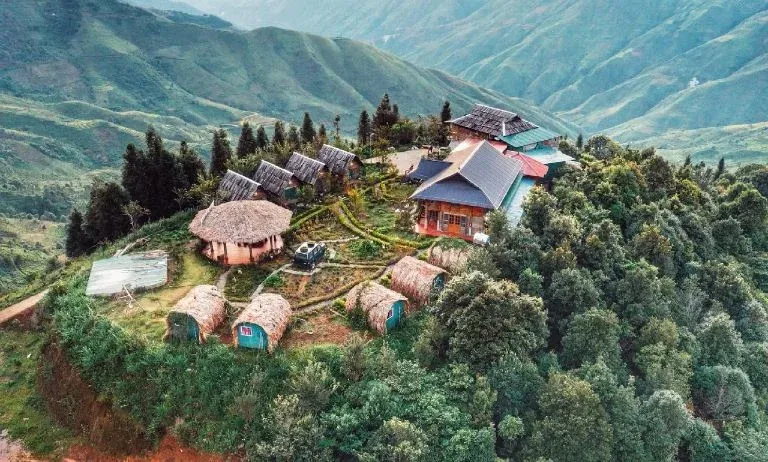
This is the gold standard for travelers who want to truly "humanize" their trip. In villages, the local cooperatives have renovated traditional stilt houses to welcome guests.
You’ll likely sleep on a comfortable mattress on a polished wooden floor, separated by soft floral curtains or bamboo screens. It’s communal, breezy, and incredibly cozy.
In a Da Bac homestay, you’re a "friend". You’ll see the kids playing in the yard, you’ll see the grandma weaving her indigo cloth, and you’ll feel the rhythm of a village that has stayed true to itself for centuries!
Accommodations In Da Bac
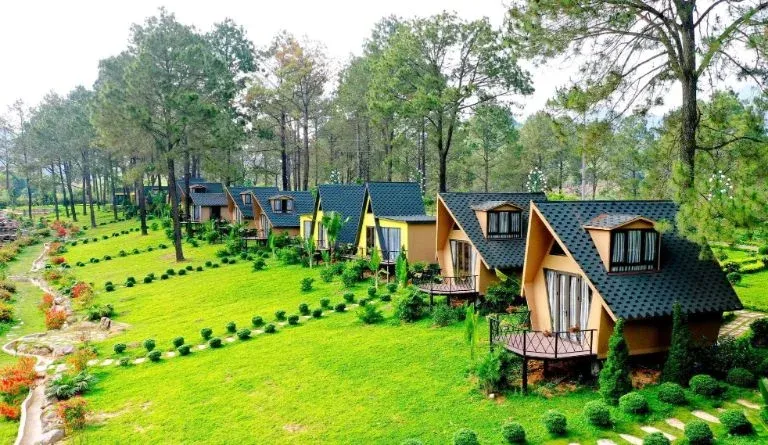
If you love nature but still want a private bathroom and perhaps a glass of wine by an infinity pool, Da Bac has some stunning "hidden" spots that blend seamlessly into the cliffs. You can choose to stay in a hotel or ecolodge (kind of like the high-end version of the stilt-house experience) for a more comfortable option. It’s quieter, more elegant, and perfect for couples on a romantic escape!
Hoa Binh Reservoir
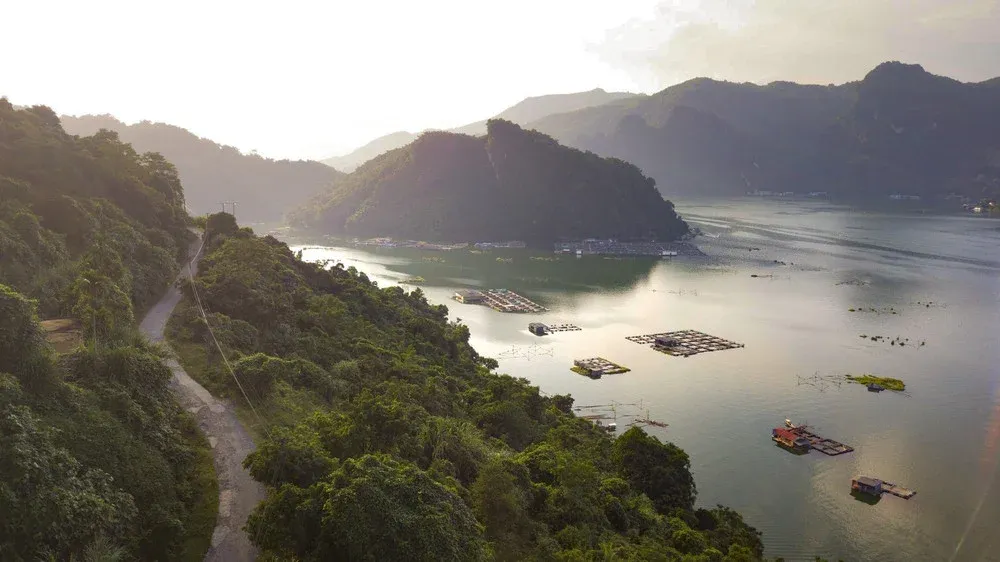
When people talk about the "Maldives of the Northwest", they are talking about the Hoa Binh Reservoir. This massive body of water was created by the construction of the Hoa Binh Dam, and it has turned the rugged valleys of Da Bac into a stunning landscape of "mountains growing out of the water".
It feels like an inland sea tucked between the clouds. This massive body of water was created when the Da River was dammed, but nature has reclaimed it, turning it into a turquoise paradise.
For the people of Da Bac, this reservoir is their lifeblood. It provides the fresh fish you’ll eat for dinner and acts as a quiet "highway" for the local wooden boats.
While the reservoir is vast, Da Bac Lake (the local name for the bays and inlets surrounding the district) feels much more intimate and personal. Unlike the busier parts of the river, the water around Da Bac is incredibly calm and clear.
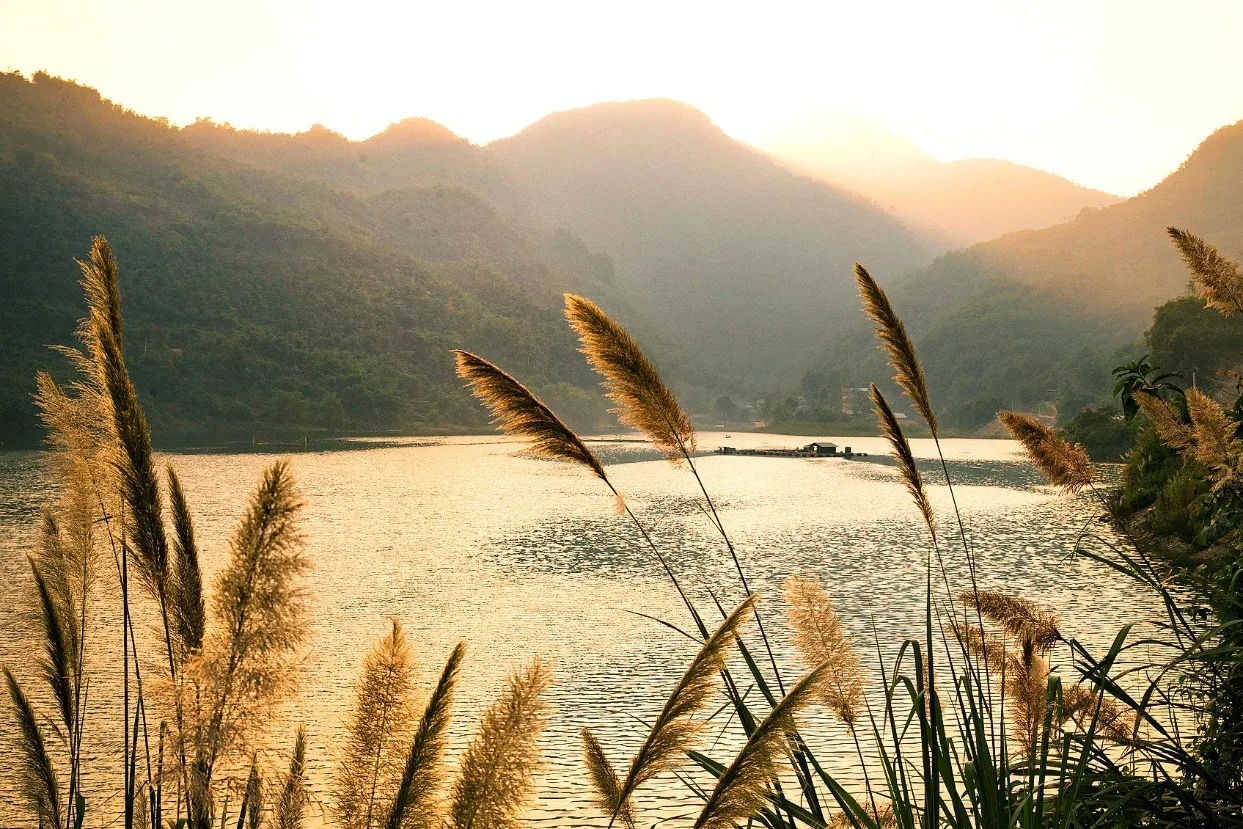
Da Bac Lake
The lake is a mirror for the sky. On a still morning, you can see the reflection of the stilt houses and the lush green forests perfectly on the surface. This is the area where you’ll spend your time kayaking into hidden coves or visiting floating fish farms.
There are no big ships or loud engines here, but just the sound of a paddle dipping into the water and the distant laughter of kids swimming near the shore. It’s the kind of place where you can finally hear yourself think.
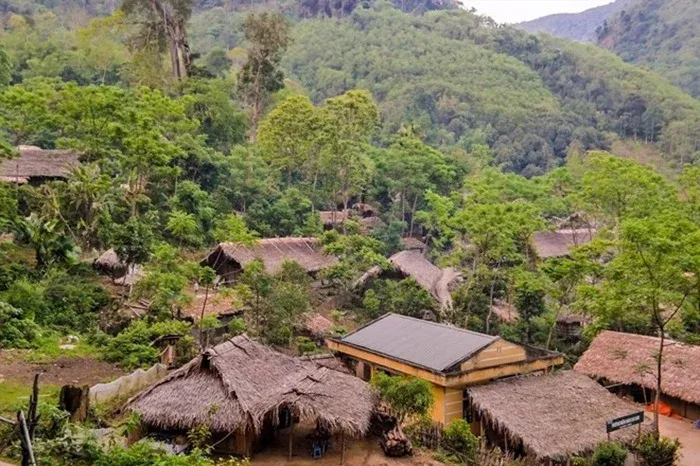
Sung Village in Da Bac Vietnam
Perched high in Cao Son commune, Sung Village is home to the Dao Tien people. You’ll see traditional earthen houses and women in intricate indigo costumes.
Insider Tip: Ask for a traditional herbal bath. The Dao Tien are masters of forest medicine, and their baths will leave your skin glowing and your muscles completely relaxed.
Ke Village sits right on the edge of Hoa Binh Lake. It is 100% Muong ethnic, offering a serene blend of mountain trekking and water activities. During the rainy season, hidden streams turn into cascading waterfalls that flow right past the stilt houses.
Home to the Muong Ao Ta branch, this village is famous for its "Self-Service Baskets". Locals leave goods by the road with a price tag, and travelers simply leave money in the basket. It’s a beautiful testament to the integrity and warmth of the people in Da Bac Vietnam.
Hien Luong is a community tourism destination with over 80 households. Here, you can learn about the local people's cultural identity. Along with that, the village's pristine, picturesque landscapes evoke many emotions. The close-knit lifestyle of the locals leaves beautiful memories for your trip.
For the adventurous, Da Bac offers trekking routes that lead through primary forests and over ridges with panoramic views of the entire valley. Popular trekking routes in Da Bac can include forest, along the infamous Da Bac river, and up to mountain peaks.
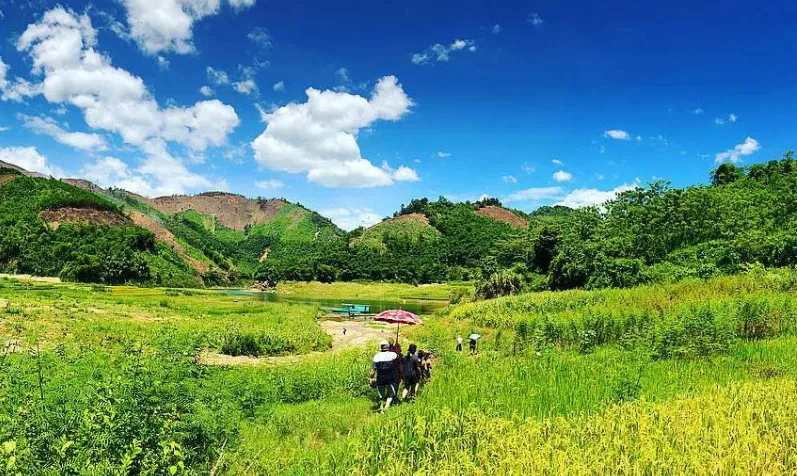
Trekking in Da Bac Vietnam
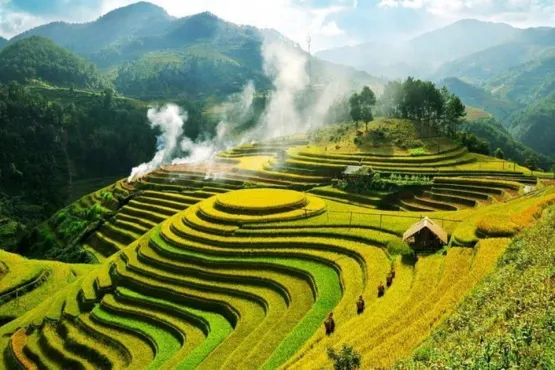
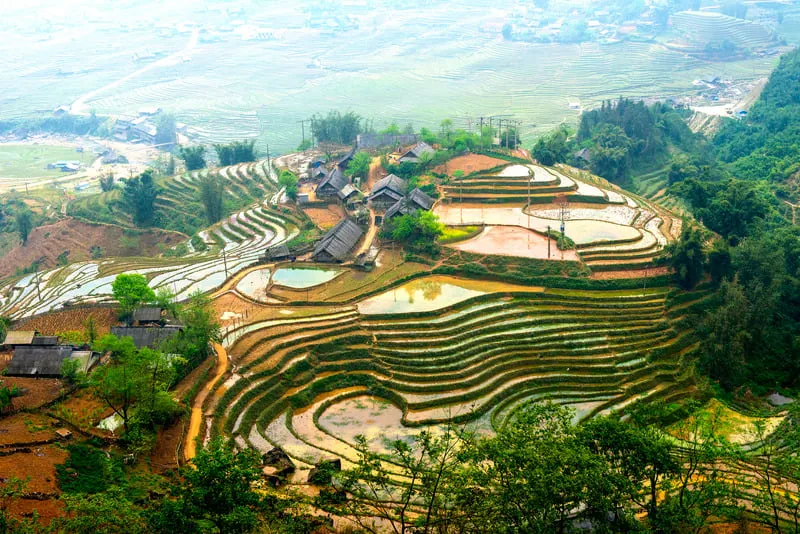
Along the way, look for a beautiful overview of the quiet villages, terraced fields, and stunning viewpoints. Trekking in Da Bac can take you through a brief introduction into the local life and nature of the region, and a bit of a physical adventure that can't be done in the city, either!
However, you should be prepared with sturdy shoes and bring a hat. The sun can be sharp in the highlands! In addition, we highly recommend you book a local tour guide to go with you. Not only can they guide you through the best trekking routes, but also make sure you are well prepared and stay safe during the trekking in Da Bac.
After a hike, there is nothing like sitting on a homestay balcony in the late afternoon. It is a level of "quiet" that is impossible to find in the city, making it one of the best hikes near Hanoi!
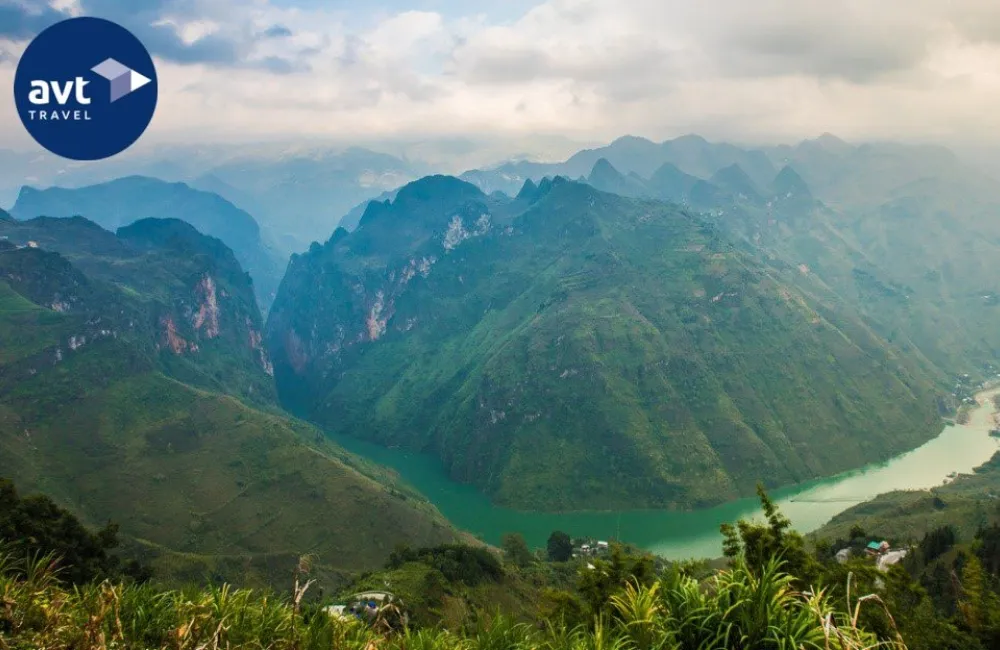
The Da River reservoir is often called the "Halong Bay of the Northwest". The water is 30-40 meters deep and dyed a permanent emerald green. If you want to feel truly "grounded", head to the streams in Hien Luong. These aren't just bodies of water; they are nature’s therapy rooms.
Pro Tip: Find a spot where the water flows over smooth, giant boulders. Sit down, dangle your feet into the icy mountain current, and let the "forest bathing" begin. The large rocks nearby are perfect for laying out a picnic or just lying back to look at the canopy above.
As evening falls, find a homestay balcony. The hosts will often prepare a tray of local tea. Watching the last rays of the sun hit the ripples while woodsmoke rises from the valley is a form of meditation you can't find in a city.
When the mountain chill sets in, life moves to the hearth. There is nothing quite like sitting around a crackling fire, eating grilled lake fish and pork seasoned with mac khen (wild pepper), and sharing stories with your hosts.
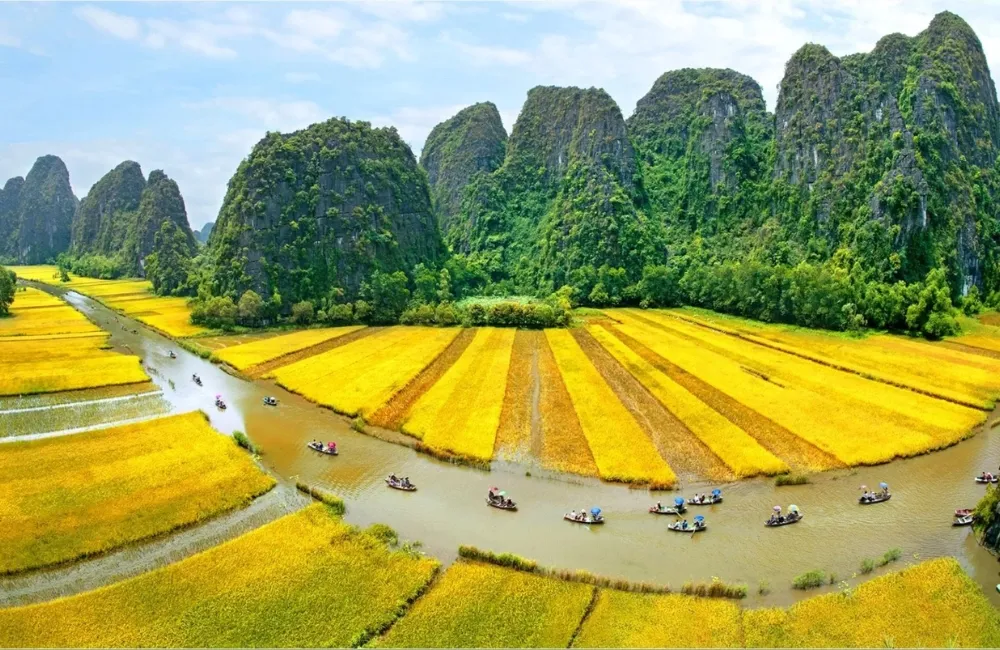
If you really want to feel the pulse of Da Bac Vietnam, there’s no better way than on a bicycle. It’s more than just a workout; it’s a front-row seat to the masterpiece of the Northwest. Imagine pedaling through emerald forests and golden rice fields, where every turn reveals a vista so unique it feels like a secret kept just for you!
A little traveler-to-traveler tip: Da Bac is still wonderfully raw, which means bike rental shops are few and far between. Many seasoned explorers choose to bring their own trusty steeds from home. Trust me, having your own gear makes the climb up those misty mountain roads feel like a true personal conquest.
Kayaking is one of the most popular recreational activities in Da Bac Vietnam. Thanks to the abundant lake system, locals have taken advantage of this natural feature to develop diverse activities.
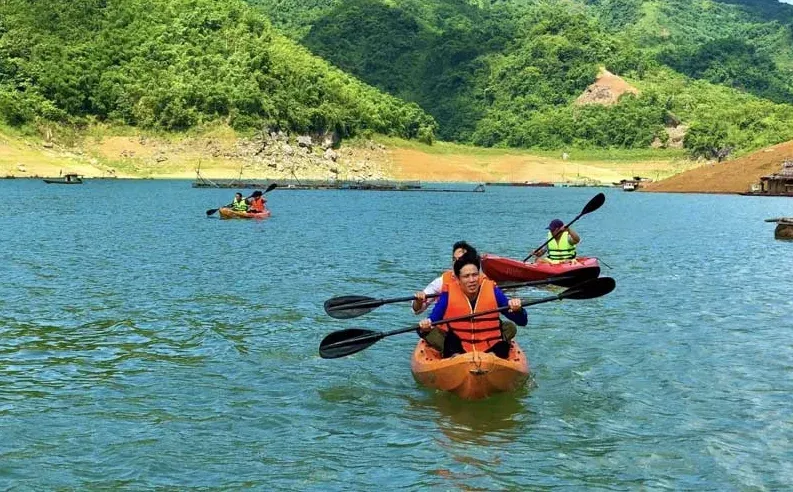
Kayaking in Da Bac Vietnam
The water in Da Bac is usually very calm, creating ideal conditions for kayaking. With just a few gentle strokes of the paddle, the boat glides smoothly across the lake, offering you a relaxing experience while admiring the surrounding scenery!
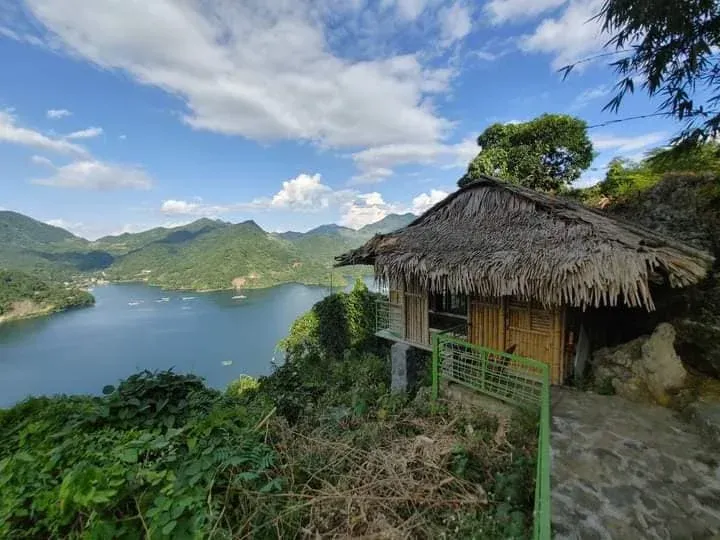
Stilt House in Da Bac Vietnam
In Da Bac Vietnam, where you sleep is as important as what you see. The architecture here is a genius adaptation to the environment.
In many of the homestays, the traditional houses of the Muong and Dao are built with a deep understanding of the land. Elevated to avoid dampness and forest animals, the space under the house is often used for looms or storing farm tools.
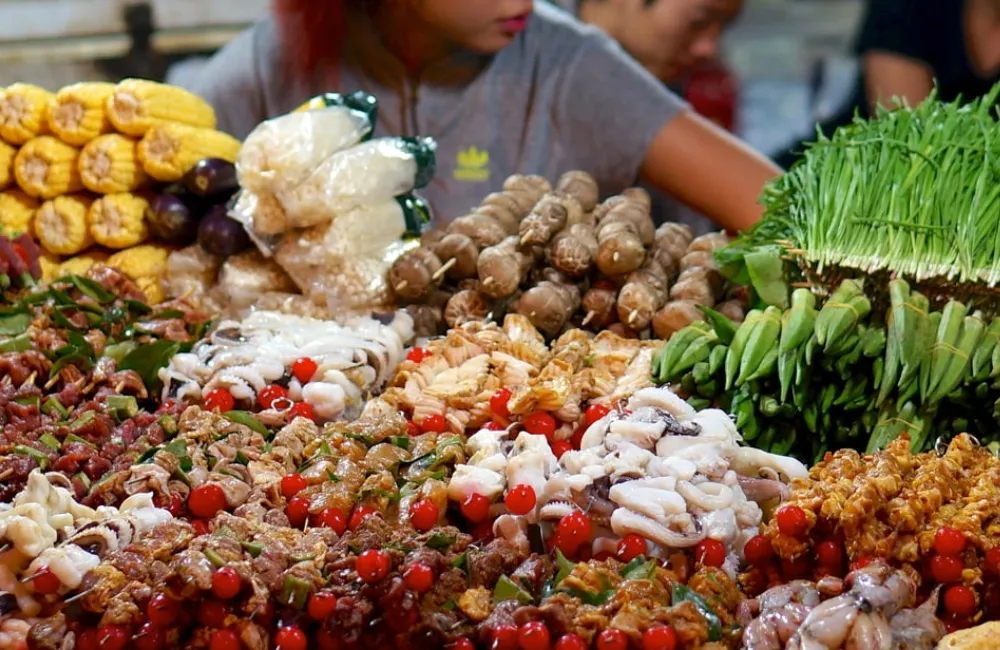
The food in Da Bac was "farm-to-table" before it was cool. These are some of the dishes that we were recommended by the locals!
Getting to Da Bac is surprisingly easy, yet it feels like traveling back in time.
To truly understand Da Bac Vietnam, you have to look past the scenery and into the spiritual heart of the people. For the ethnic Dao, Muong, and Tay communities here, the forest and the water aren't just "resources" but are woven into the calendar.
If you time your trip right, you might stumble upon a celebration that feels like stepping into a different century.
Beyond the big festivals, the "human" side of Da Bac is found in the ceremonies held under the thatched roofs of stilt houses.
Traveling to a highland district like Da Bac Vietnam requires a bit more "soul" and a little more preparation than a standard city break. Here is your survival and etiquette guide.
While 2026 has brought more connectivity to the mountains, Da Bac Vietnam, is still very much a cash-based economy. You won’t find an ATM in the middle of Sung Village or Da Bia.
AVT Travel's Tip: Withdraw your Vietnamese Dong (VND) in Hoa Binh Vietnam, before you head into the hills. You’ll need it for those local snacks or tipping your trekking guide.
When you enter a traditional house of the Muong or Dao Tien:
The people of Da Bac are incredibly photogenic, but they aren't museum exhibits.
Like everywhere else, always ask for the locals' permission or simply point to your camera with a smile. Usually, they’ll say yes, and the photo will be much better because of that shared moment of consent.
If you are invited to join a wine session, it’s a high honor. You don't have to drink much, but you should at least accept the cup with both hands and take a tiny sip. It’s the gesture of "togetherness" that matters most to the locals!
Da Bac is at a turning point. The local government and people are focusing on Community Based Tourism in Rural Vietnam. This means your visit directly supports the preservation of Dao and Muong cultures.
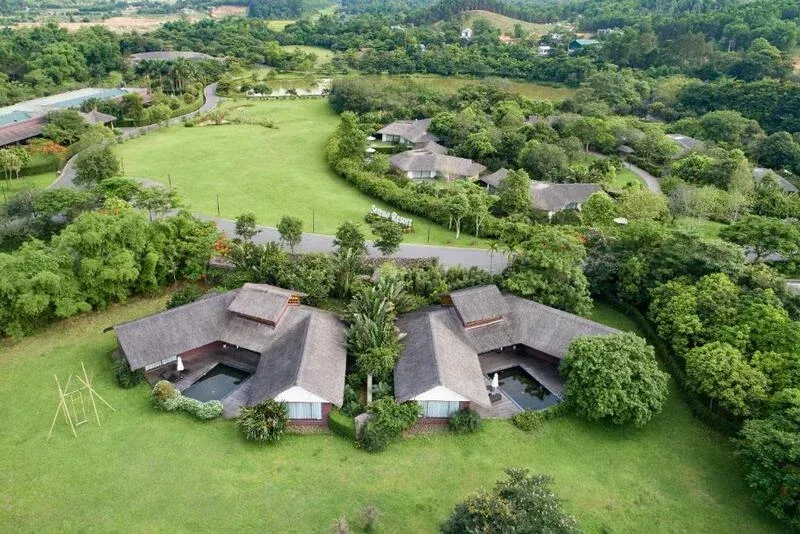
Community Based Tourism in Vietnam: Da Bac
By choosing Da Bac, you are helping a grandmother keep her weaving tradition alive, or a young man stay in his village to protect the forest instead of moving to a factory in the city.Despite its relatively unspoiled and underdeveloped state, Da Bac is still considered a must-visit destination when coming to Hoa Binh Vietnam.
Da Bac Vietnam isn't just a place you visit; it’s a place you feel. It’s the sound of a loom clicking in the afternoon, the taste of mountain wine, and the sight of a mist-covered lake. It is a reminder that the most beautiful things in life are often the ones we haven't paved over yet!
Planning a trip to a remote highland district can be daunting if you don't speak the language or know the hidden trails. That’s where AVT Travel comes in.
As your local experts, we specialize in private, authentic tours that bridge the gap between you and the heartbeat of Da Bac. We handle logistics, language, and the "shameless" details, so you can focus on enjoying a peaceful trip!
If you want to personalize your tour (travel styles, destinations, budget, etc.), check out our Build Your Own Trip section and let us handle the rest!
A: Most community homestays now have Wi-Fi, but it can be spotty. Think of it as a "Digital Detox" opportunity!
A: In peak season, booking is highly recommended as these are small communities with limited "authentic" beds! If you don't have much time to prepare but still want to go immediately, you should book your tour with a travel agency (such as AVT Travel) for seamless logistics.
A: Extremely. The local ethnic communities are incredibly welcoming and protective of their guests.
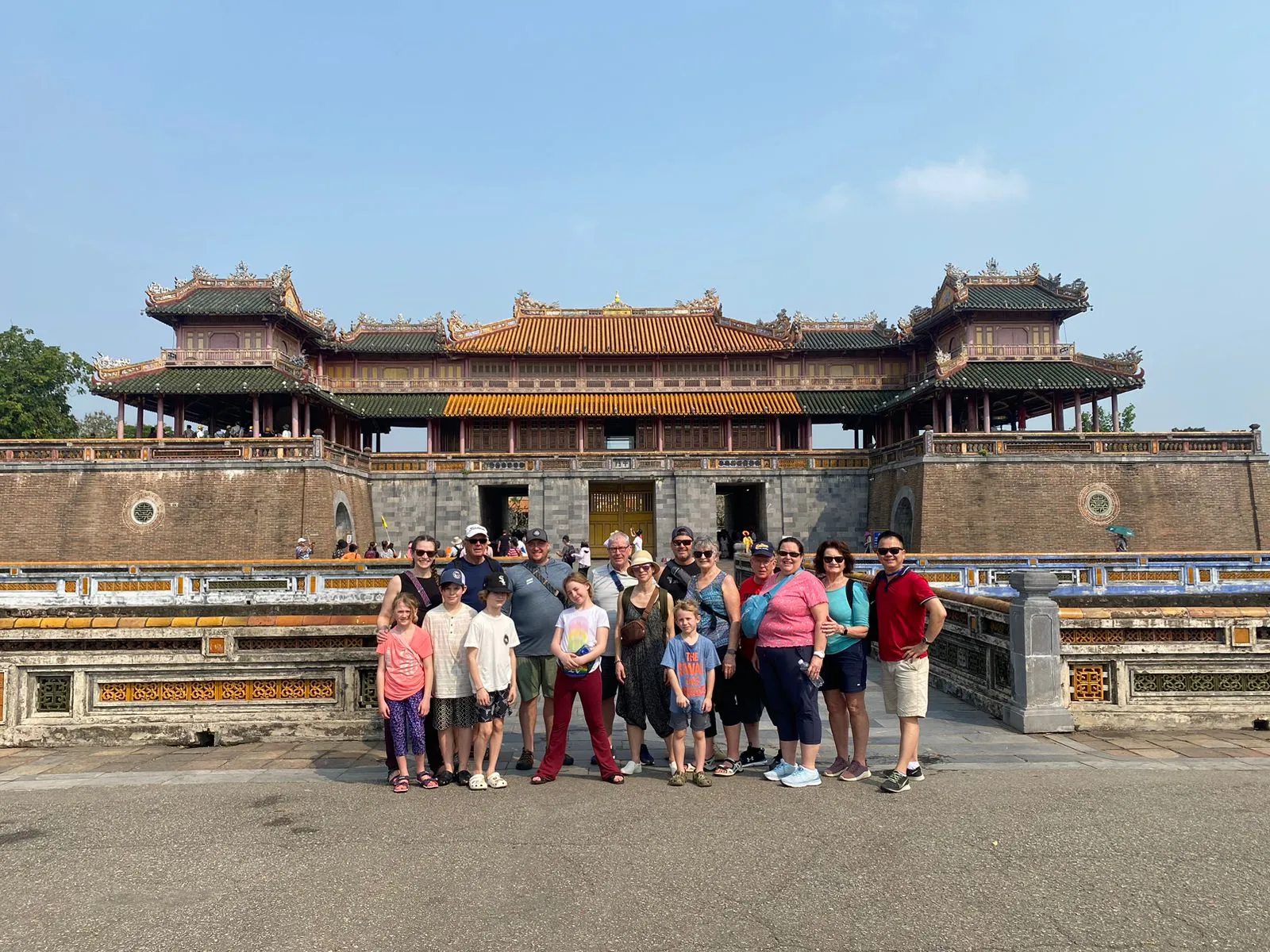
A: Absolutely! It’s a giant outdoor classroom. They can learn about textiles, try kayaking, and see where their food actually comes from. And if you are looking for kid-friendly trip options, check out our suggested itinerary in our The Grand Vietnam Family Odyssey Tour!
A: While not required, small items like school supplies for the children or local sweets are always appreciated. However, the best gift is your respect for their culture and environment!
A: Not at all. Da Bac is very affordable compared to more commercialized spots. Your money goes much further here, and it stays within the local community.


Travel, Exploring, and Stays Operated by our local Expert Teams.