 Agent Signup






The Grand Vietnam Family Odyssey
19 Days | AVT28



Article Content
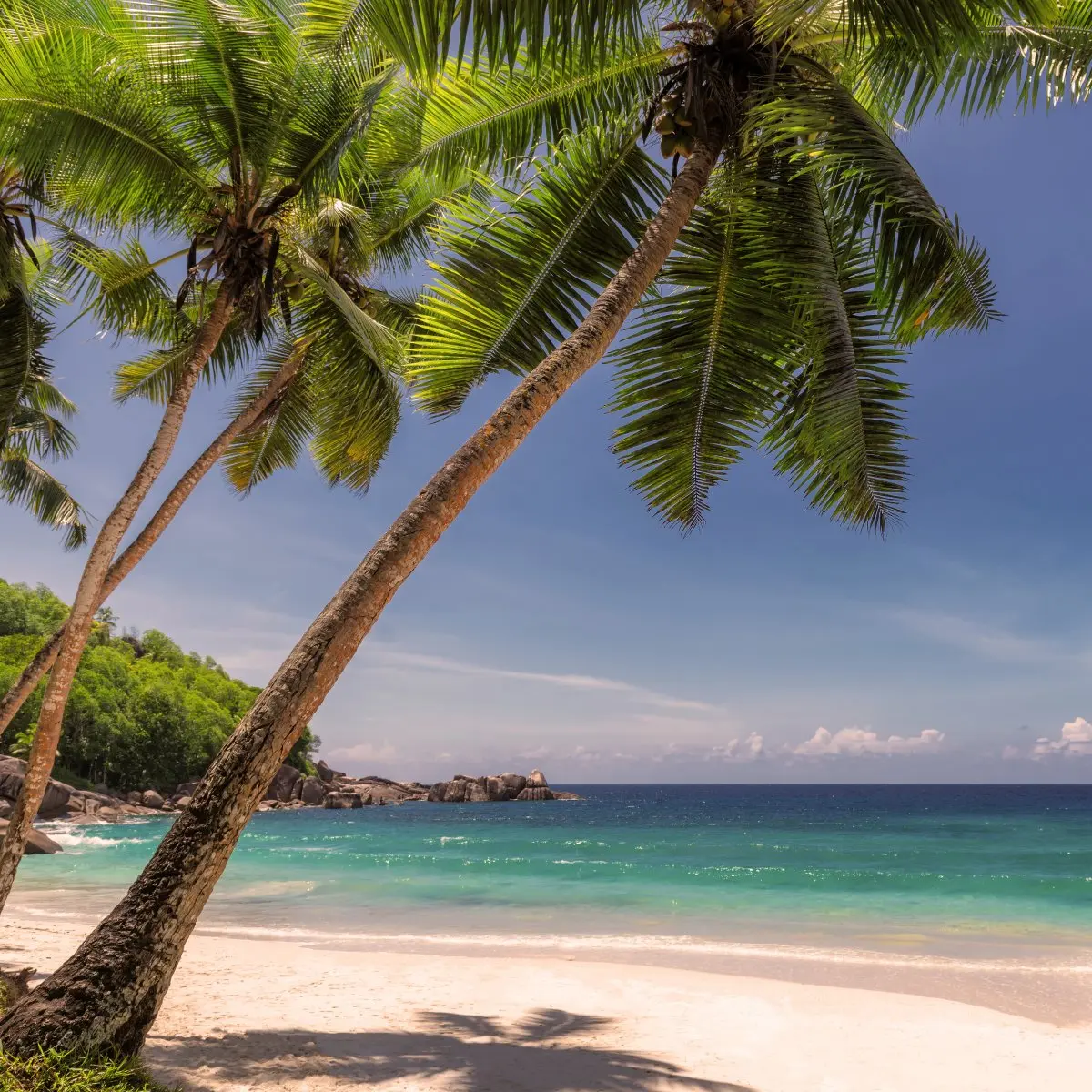
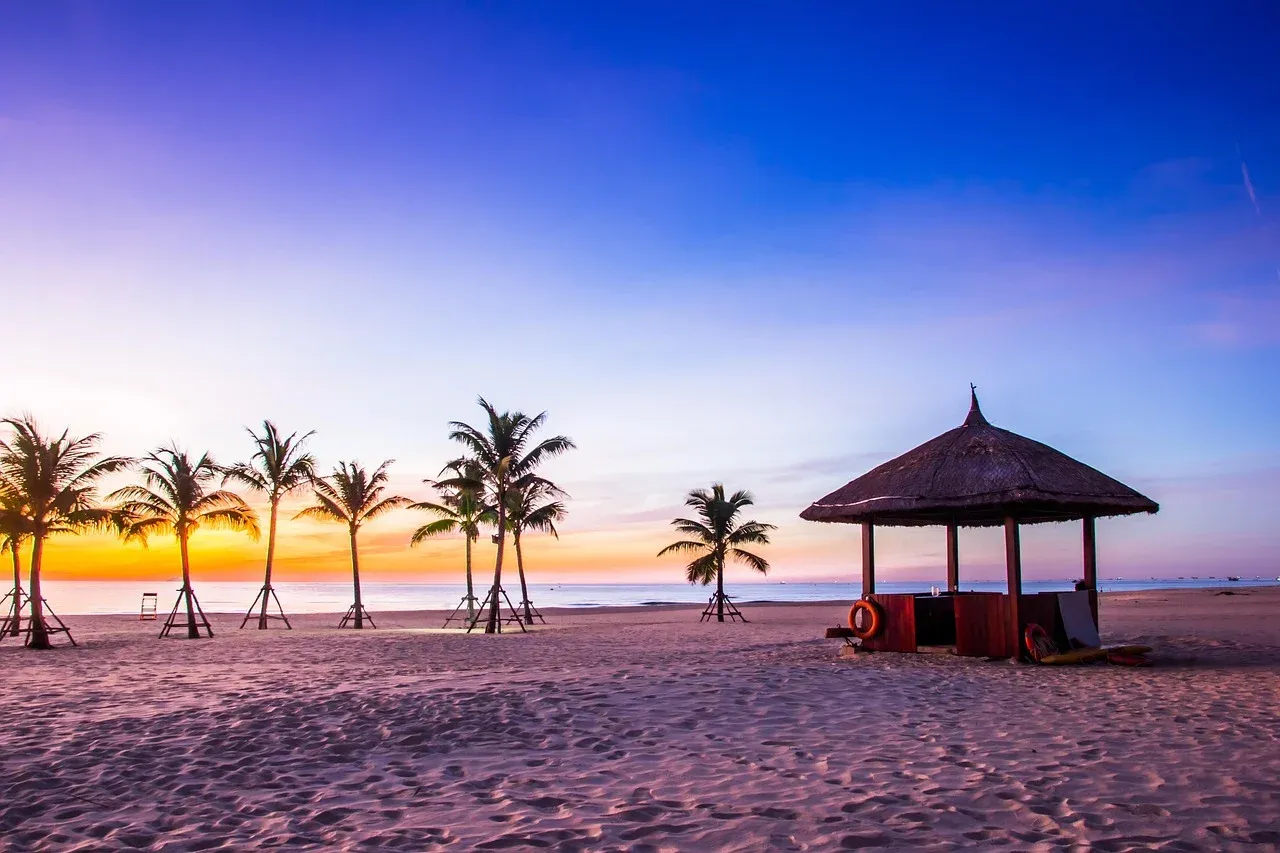
Imagine waking up with waves lapping just beyond your doorstep, the sun painting the horizon in gold, and the promise of salty breeze and palm shadows ahead. Vietnam’s beaches offer that and more: from resort luxury, local life and seafood tables to snorkeling reefs, hidden coves, island hopping, and tranquil escapes few know about.
These are the beaches that most travelers head to — they are accessible, serviced, dynamic. But that doesn’t mean they lack magic.
Nestled between Huế and Đà Nẵng, Lăng Cô is a long stretch of white sand, reportedly spanning 20 km in total. It offers a beautiful balance: not so remote that getting there is difficult, but not so overrun that peace is lost. Because the development is still selective and restrained, many parts feel quiet and restorative.
This makes Lăng Cô a perfect “buffer beach” when you travel between Hue and the Da Nang / Hoi An region. You get to enjoy sea, soft sand, sunset strolls, seafood dinners — and also unwind before hitting busier places.
Tips
Stay in beachfront boutique lodges or smaller resort sections so you can access the water early in the morning
Use motorbike or local boats to reach little bays or coves along the long stretch
Combine with inland day trips (e.g. to the Hai Van Pass, rural villages, or lagoon areas)
My Khe Beach is long, generous, and a spine of resort life in Da Nang. It’s well serviced, easy to reach, and often busy in summer. It’s been recognized (in some tourism writeups) as among Vietnam’s most beautiful beaches. Meanwhile, Non Nước lies closer to the Marble Mountains, giving a more dramatic backdrop of limestone hills. Together, these beaches offer both ease and scenic diversity.
Because they are city-linked, you can combine beach time with culture, city life, food, and local markets.
Tips
For quieter moments, go early morning or after 4 pm
Book accommodation slightly off the beachfront road — you get privacy but easy access
Use Non Nước as a launching point for cliff walks or cave explorations in the Marble Mountain area
Use local beach cafés (shade, seating) to soak in the view rather than crowding in the resorts all day
Nha Trang
Often named one of the top bays in the world, Nha Trang offers ~7 km of fine sand, coral reefs, island-hopping options, scuba/snorkeling, plus entertainment, nightlife, and resort life. On many days the sea is calm and visibility is good — ideal for underwater exploration.
Beyond the beach, there’s Vinpearl Land, mud baths, fishing village tours, and small island retreats.
Mũi Né
A favorite among wind- and kite-surfers, Mũi Né has perfect wind corridors. Its landscapes also include iconic sand dunes (white, red dunes) and inland desert-like vistas, making it more than just a beach escape.
Tips
In Nha Trang, book a day trip to quieter islands (away from the main bay)
Use early morning or late afternoon for underwater excursions (less crowded)
In Mũi Né, take a windsurfing or kite class to tap into a unique local vibe
Visit dunes early or around sunset for dramatic light and cooler temperatures
Quy Nhơn is rising in popularity among Vietnamese holidaymakers. The coastline is picturesque, with interesting rock outcrops, more relaxed beach life, and growing infrastructure. Because it’s not yet saturated, you’ll get a more authentic feel, local food, and scenic beaches with fewer international crowds.
This is a great stop if you want something calmer than Nha Trang but more developed than very remote islands.
Tip
Stay in a well-located seaside homestay or resort and plan your beach days in breaks
Use some days for inland excursions — local temples, hills, markets
Check when domestic Vietnamese holiday peaks are, and avoid traveling then if you prefer calm
Part of the greater Hạ Long / Halong Bay region, Cát Bà Island offers forest, hills, and coastal merges. Beaches Cát Cò 1, 2, 3 are the main ones; Van Boi is a quieter cove, more hidden, but reachable.
Because the region is better known for its karsts and cruises, the island component gives a different kind of beach+hike + nature combo.
Tip
Stay on the quieter side of the island
Use small boats to access coves or overnight anchoring
Early-morning hikes reward you with sunrise views before beach crowds arrive
Be flexible with boat schedules and flows (some days are better than others for getting to certain coves)
On the mainland, Bãi Cháy has a man‑made or extended beach fronting the hotels and eateries. But the real magic is in the bay islands — Ti Tốp Island, Soi Sim, and others — where waters are calmer, views of karst towers are constant, and the sense of being “on the water” is immersive.
A stay here lets you combine beach days with overnight cruises, kayaking through caves, visiting floating villages, and enjoying quiet islet beaches.
Tip
Combine a land stay on Bãi Cháy with a 1–2 night cruise to island clusters
Use early morning or dusk visits to small islets before crowd boats arrive
Bring snorkeling gear and lightweight dry bags
Be aware of tides and boat schedules
Phú Quốc is probably the best-known “beach paradise” in Vietnam. With many beaches, turquoise water, marine life, luxury resorts, and countryside, it offers a full island escape. It also has historical elements (old prison sites, fishing life) to diversify your experience beyond sun & sea.
Because the island is bigger, you can move from west to east coasts and explore quieter bays, hidden beaches, and inland jungle.
Tip
Rent a scooter or motorbike (if allowed) to explore lesser-visited stretches
Plan multiple base nights to explore different sides of the island
Combine snorkeling / diving trips with beach rest
Visit local fishing villages, island roads, and night markets
These are beaches less traveled, quieter, and often more rewarding for those who love peace, nature, and authentic moments.
Trà Cổ is often described as one of Vietnam’s “most lyrical beaches”, with smooth white sand, clear blue water year-round, and a stretch of 15 km along the Tra Co peninsula. Because it is far from big city centers, it retains quiet charm, with casuarina groves, mangrove ecology, and fewer resorts.
It also holds cultural value: the Tra Co communal house (built around the 15th century) is nearby, and the peninsula extends toward Sa Vi Cape, the northeastern frontier of Vietnam. It is sometimes compared to Nha Trang (for beauty) but preferred by those who favor a more rural, poetic ambiance.
Tips & Logistics
Best time: April to July, when weather is favorable and sea is calm
How to get there: from Van Don Airport → ~200 km by road to Mong Cai → ~8–10 km to Trà Cổ Ward
Check for local cultural events: The beach region holds a Tra Co Festival during early June (lunar calendar) with boat parades, processions, local rituals.
Accommodation is modest — local guesthouses, small hotels, beach lodges
Bring basic supplies; don’t expect large resort amenities
Sunrise over sea side and sunset views back to shore line are both stellar photo moments
Trà Cổ is ideal if your route goes near the northeast frontier — or if you want to begin/end your Vietnam beach journey with a quiet, introspective shore.
Futher more you can go to Van Don,Quan Lan are also very pristine beaches but busy in Summer.
Thiên Cầm (“Heaven’s Lute”) lies near Ha Tĩnh city, framed by a small forested mountain behind, giving a feeling of being enclosed by nature and sea. Its poetic name reflects local appreciation of natural harmony.
It is less known to international travelers, making it better suited for Vietnamese holidayers or those looking to dig beyond the usual lists.
Tips
Stay in beachfront homestays or modest resorts
Visit Yen Lac Pagoda nearby (13th century) for cultural immersion
Enjoy quiet dawn swims or walks along shore before crowds arrive
Combine with exploring inland countryside of Ha Tĩnh
These islands off the coast of Hội An are known for coral reefs and marine life. As they are reached by boat, they naturally deter casual crowds. Under the right season, snorkeling and marine exploration can be excellent.
Tips
Stay overnight on the island to enjoy calm evenings
Book snorkeling / diving with certified local operators
Be mindful of sea/weather conditions — plan visits in calmer months
Côn Đảo is remote, quiet, and carries history (former prison sites). But its beaches are pristine, and its marine life is vibrant. It’s a top choice for honeymooners or travelers who want serenity and emotional depth.
Tips
Plan flights/ferries well in advance (schedules may be limited)
Include historical tours (old prison, local heritage)
Use time for long beach walks, snorkeling, resting — minimal planning
Off Quảng Ngãi Province, Lý Sơn is volcanic in origin, with raw rock formations, quiet coastal life, and unspoiled beaches. It feels rugged and real.
Tips
Stay in basic guesthouses
Rent a bike or scooter for island exploration
Bring or rent snorkeling gear
Watch for marine hours, tides, sea conditions
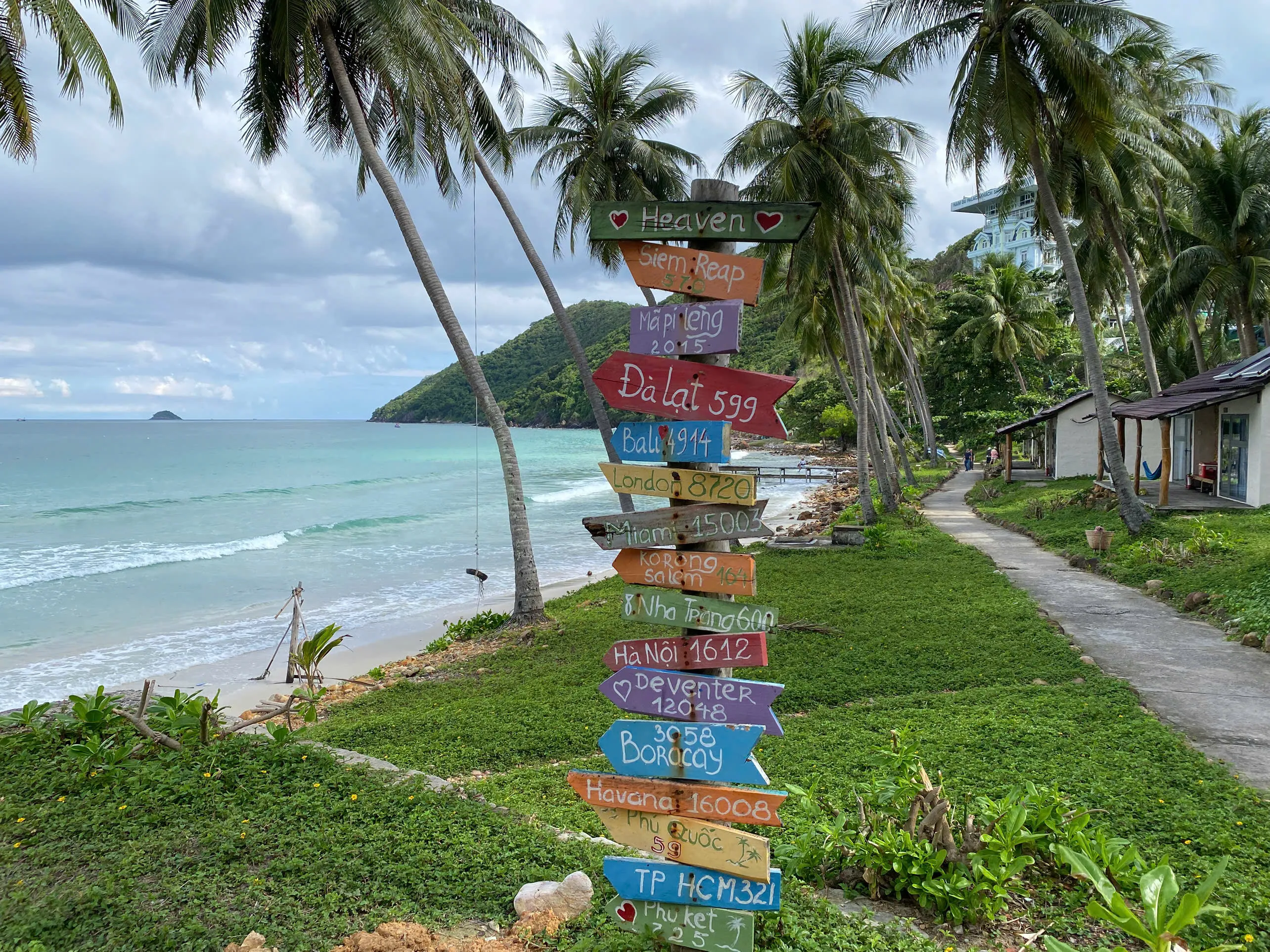
Part of the southern sea islands (off Kiên Giang / Rạch Giá region), these islands are lesser-known among foreign tourists. White sands, very calm water, island village life and simple infrastructure make them precious escapes.
Tips
Travel in the dry season (typically Nov–Apr)
Accept slower transport legs (boats between islands)
Stay flexible in schedule
Pack light, bring essentials
Weather & Season: The north and central coasts have distinct rainy seasons; islands on the south coast are more reliably calm in Nov–Apr. Always check local forecasts.
Transport & Last Mile: Expect part of your journey to be by motorbike, small boat, or even foot when chasing hidden beaches.
Accommodation: For popular beaches, resorts are great; for hidden ones, go for homestays, beach huts, eco-lodges.
Timing: Sunrise and late afternoon are your best windows for both light (for photography) and fewer crowds.
Activities: Snorkeling, diving, kayaking, stand-up paddle, sand dune walks, coastal treks — bring gear or rent locally.
Respect Nature: Use reef-safe sunscreen, carry your trash, avoid disturbing coral or sea life.
Cultural Balance: Add a temple, a village, a local market or a heritage site between beach days — it enriches the experience.
Vietnam’s coastline is not just a backdrop to its history and culture — it is part of its soul. The contrast between busy resort stretches and remote, silent sand makes traveling here deeply rewarding. Use this guide to pick your balance between comfort and discovery, then lean toward spontaneity. Many of the best beach memories come from stumbling upon a secluded cove at sunset, meeting locals fishing by torchlight, or drifting in calm waters just you and the horizon.